
Planting
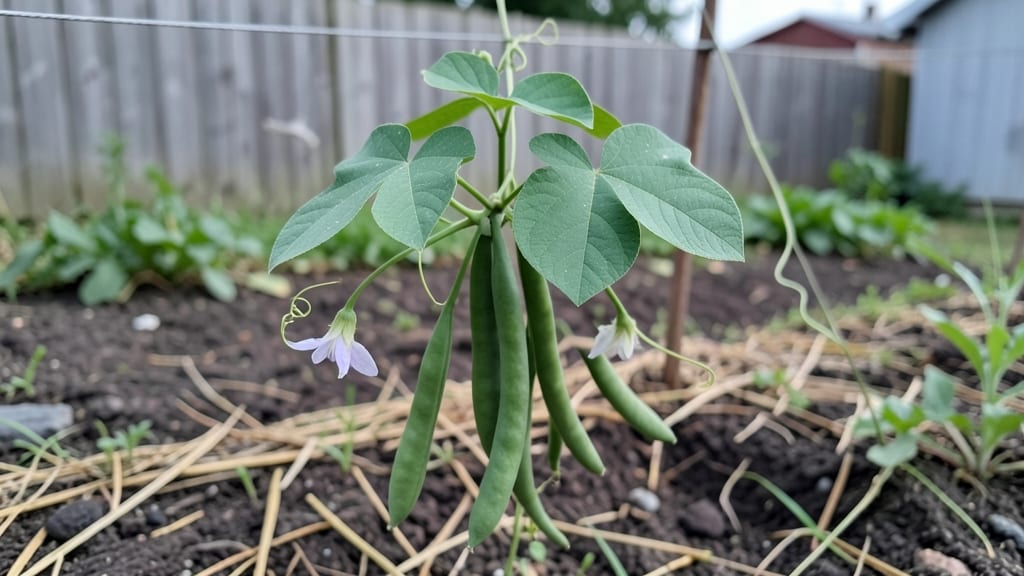
Growing cluster beans in your garden means year-round harvests from a plant that packs serious flavor into tiny pods. 🌱 I fell in love with these compact vines after my first harvest—crisp, tender, and ready to pick every few days.
They thrive where other beans struggle, producing in both heat and mild seasons.
The key is warm soil and full sun—think 6+ hours daily—and well-draining soil mixed with compost. You’ll need 4-6 inches of space between plants (they climb, so provide a trellis or fence). Water consistently but avoid soggy soil, and watch for pests like aphids early in the season.
Within 6-8 weeks, you’ll see those first pods forming, and the harvest keeps coming for months. The flavor? Rich, nutty, and perfect for stir-fries or fresh snacking. Even in small spaces, these plants deliver big rewards with minimal fuss.
Perfect for warm climates but adaptable with season extension. Here’s how to keep them thriving all year—no green thumb required, just patience and a sunny spot.
📚 In This Guide
- What you need
- Instructions
- Tips and common mistakes
- Wrapping up and next steps
What you need
- ● Cluster Bean Seeds: 10–20 seeds (non-GMO, heirloom varieties like "Gaurav" or "Pusa Sadabahar" work well).
- ● Growing Medium: Option 1: Well-draining potting mix (sterilized, 5–10 lbs).
- ● Option 2: Loamy garden soil (pH 6.0–7.5, amended with compost).
- ● Containers (if potted): 5–10 gallon pots (with drainage holes) or a raised bed (minimum 12" deep).
- ● Fertilizer: Balanced organic fertilizer (10-10-10 NPK, 1–2 lbs) or compost (5–10 lbs).
- ○ Optional: Slow-release granules (e.g., Osmocote) for extended nutrition.
- ● Watering Supplies: Watering can (with rose nozzle) or hose with adjustable spray.
- ● Support Structures: Bamboo stakes or trellis (4–6 ft tall) for climbing varieties.
- ○ Optional: Netting or twine for training vines.
- ● Mulch: Straw or shredded leaves (2–3 inches) to retain moisture.
- ● Pruning Tools: Small pruners or scissors (sterilized with rubbing alcohol).
- ● Sunlight: Full sun (6–8 hours daily).
- ● Temperature: Ideal range: 70–90°F (21–32°C). Avoid frost (<32°F/0°C).
- ● Spacing: Direct sowing: 6–12 inches apart in rows 18–24 inches apart.
- ● Container planting: 1 seed per pot (thin to strongest sprout).
- ● Watering: Consistent moisture (1–1.5 inches per week; drought-tolerant once established).
- ● Soil Prep: Mix in 1–2 inches of compost or aged manure 2 weeks before planting.
- ○ 🌱 Soak seeds overnight in warm water to speed germination (optional but helpful!).
- ● 🔥 Use black plastic mulch in hot climates to retain soil moisture and warmth.
- ● ✨ Interplant with okra, cucumbers, or corn to maximize space and deter pests.
Step-by-Step guide to growing cluster beans in containers
Here’s how to cultivate this drought-resistant, high-yielding legume in limited space.
🌱 Step 1: Prepare Containers and Soil Mix
Cluster beans thrive in well-draining soil with organic matter, so fill your 12-inch deep containers with a mix of 2 parts potting mix and 1 part compost. Avoid garden soil—it compacts and suffocates roots. I like to add a handful of perlite to the mix for extra aeration, which prevents root rot in the humid conditions these plants prefer.
Moisten the mix until it holds together when squeezed but doesn’t drip. The ideal texture should resemble a damp sponge—firm enough to support stems but loose enough for roots to spread. Tap the container gently to settle the soil without compacting it. This ensures even moisture distribution and prevents air pockets that could stunt growth.
🌿 Step 2: Plant Seeds at the Right Depth and Spacing
Sow 2-3 seeds per container at a depth of ½ inch, spacing them 2 inches apart. Cluster beans have a vigorous root system, so giving them room to start prevents overcrowding later. I use a small stick to poke holes—it’s gentler than fingers and ensures consistent depth.
Cover the seeds lightly with soil and mist the surface with water until evenly damp. Avoid soaking the soil; cluster beans hate soggy conditions, and overwatering at this stage can cause seeds to rot before they sprout. Place the containers in a warm spot (70-80°F) until germination, which typically takes 7-10 days.
☀️ Step 3: Provide Warmth and Gradual Sun Exposure
Once seedlings emerge, move them to a location with full sun (6-8 hours daily). Cluster beans are tropical and need warmth to produce pods, so if your climate dips below 60°F at night, use a row cover or grow light for 12 hours daily. I’ve found that seedlings grown under grow lights develop stronger stems and resist pests better.
Water deeply once a week, allowing the top 2 inches of soil to dry between waterings. Overwatering triggers fungal diseases like powdery mildew, which can defoliate plants quickly. You’ll know your watering is right when leaves stay vibrant green and new growth appears within 3-5 days of watering.
✂️ Step 4: Train Vines and Harvest Regularly
Cluster beans are vining plants, so install trellises or stakes at planting to guide growth upward. As vines reach 12 inches tall, gently weave them through the support—this prevents breakage and improves air circulation, reducing disease risk. Prune any yellowing leaves immediately; they sap energy from the plant and attract pests.
Harvest begins 60-70 days after planting when pods are 3-4 inches long and firm. Pick every 2-3 days to encourage continuous production. I use sharp scissors to snip stems cleanly—this prevents damage to the vine and keeps plants productive. If left unharvested, pods toughen and yield drops dramatically.
🪴 Step 5: Overwinter and Renew for Next Season
In cooler climates, cluster beans die back after frost. Before the first freeze, cut back vines to 6 inches tall and compost the debris. In mild winters, mulch containers with 2 inches of straw to insulate roots. I’ve successfully regrown cluster beans from the same containers for 3 years by refreshing the soil with 1 inch of compost each spring.
Replant seeds in early spring when soil warms to 65°F. The key to long-term success is crop rotation—never plant cluster beans in the same spot two years in a row, as they deplete nitrogen. Instead, follow with a heavy feeder like tomatoes to restore soil balance.
Tips & tricks for perfect cluster bean growth in containers
A few strategic adjustments can transform your container garden into a cluster bean powerhouse—here's how to maximize yield while avoiding common pitfalls.
Soil Aeration Secret: In Step 1, when mixing your 2 parts potting mix with 1 part compost, I recommend adding a generous handful of coarse sand or perlite to the perlite already mentioned. This creates micro-channels that prevent compaction—critical since cluster beans hate soggy roots. The goal is a soil texture that crumbles easily when dry, not clumps like wet clay.
Germination Temperature Control: The 70-80°F range specified in Step 2 is non-negotiable for germination, but here's the pro move: place your containers on a seedling heat mat set to 75°F. This consistent warmth cuts germination time to 5-7 days instead of the 7-10 day range. If you don't have a heat mat, nestle containers in a warm spot near your water heater or sunny window—just monitor closely to avoid overheating above 85°F.
Sunlight Optimization Strategy: For the critical 6-8 hours of sunlight in Step 3, consider this hack: rotate your containers 180 degrees every 3-4 days. This ensures even growth and prevents vines from leaning toward one light source. In cloudy conditions, supplement with grow lights for the full 12 hours if night temps drop below 60°F—your plants will reward you with thicker vines and more pods.
Harvest Timing Precision: The 60-70 day window for harvest in Step 4 is perfect, but here's how to fine-tune: pick pods when they're 3-4 inches long AND the seams begin to separate slightly. This "just-ripe" stage gives you the sweetest flavor. I harvest every 2 days at this stage—any longer and the pods toughen dramatically, while harvesting too early means smaller yields. Use clean, sharp scissors to avoid damaging the vine's growth points.
Pro Tips for Cluster Beans Plant
- A few strategic adjustments can transform your container garden into a cluster bean powerhouse—here's how to maximize yield while avoiding common pitfalls.
- Soil Aeration Secret: In Step 1, when mixing your 2 parts potting mix with 1 part compost, I recommend adding a generous handful of coarse sand or perlite to the perlite already mentioned.
- Germination Temperature Control: The 70-80°F range specified in Step 2 is non-negotiable for germination, but here's the pro move: place your containers on a seedling heat mat set to 75°F.
Frequently asked questions
Got questions about growing cluster beans? You’re not alone!
Here are answers to the most common queries—from planting tips to troubleshooting—so you can crush your harvest like a pro.
How long does it take for cluster beans to grow from seed to harvest?
Cluster beans are fast growers! From seed to harvest, expect 60–90 days in warm climates (Zone 7–10). In cooler areas, start seeds indoors 2–3 weeks before the last frost or wait until soil temps hit 60°F (15°C). Patience pays off—pods form quickly once flowers appear!
Can I grow cluster beans in containers or small spaces?
Cluster beans thrive in 5-gallon pots or larger with drainage holes. Choose compact varieties like ‘Raja’ or ‘Pusa Sadabahar’ for vertical gardens or trellises. Just ensure they get 6+ hours of sun and water consistently. Bonus: Containers make rotating crops easy!
Why aren’t my cluster bean plants producing pods?
Pods may skip you due to cool temps (below 55°F/13°C), overwatering, or nutrient deficiencies. Try these fixes:
- Move plants to a sunny spot (they need heat!).
- Water at the base deeply but infrequently (1 inch/week).
- Fertilize with low-nitrogen, high-phosphorus feed (like 5-10-10) when blooms appear.
Do cluster beans need special care in hot or dry climates?
Yes! In heatwaves, mulch around plants to retain moisture and water early morning or evening to avoid evaporation. Prune leggy vines to boost airflow, and watch for aphids—spray with neem oil if needed. Fun fact: Cluster beans self-seed, so save seeds for next year!
What’s the best way to use cluster beans in cooking?
Versatile and nutritious! Try these ideas:
- Young pods: Sauté with onions, tomatoes, and spices for a crisp-tender stir-fry.
- Mature pods: Cook like green beans or blend into soups/dahls (rich in fiber!).
- Leaves: Use as a potherb (like spinach) or in curries.
Wrapping up and next steps
Growing a cluster beans plant is a rewarding adventure that brings fresh, nutrient-packed greens to your table with minimal space! Whether you’re a beginner or a seasoned gardener, this hardy crop thrives in diverse climates and delivers year-round harvests with minimal fuss. 🌱
Ready to take the next step? Start by selecting your preferred variety—green or yellow pods—and plant your seeds or seedlings today. With proper care, you’ll soon enjoy a bountiful harvest that’s as delicious as it is nutritious. Happy gardening! 🌟