
Pruning
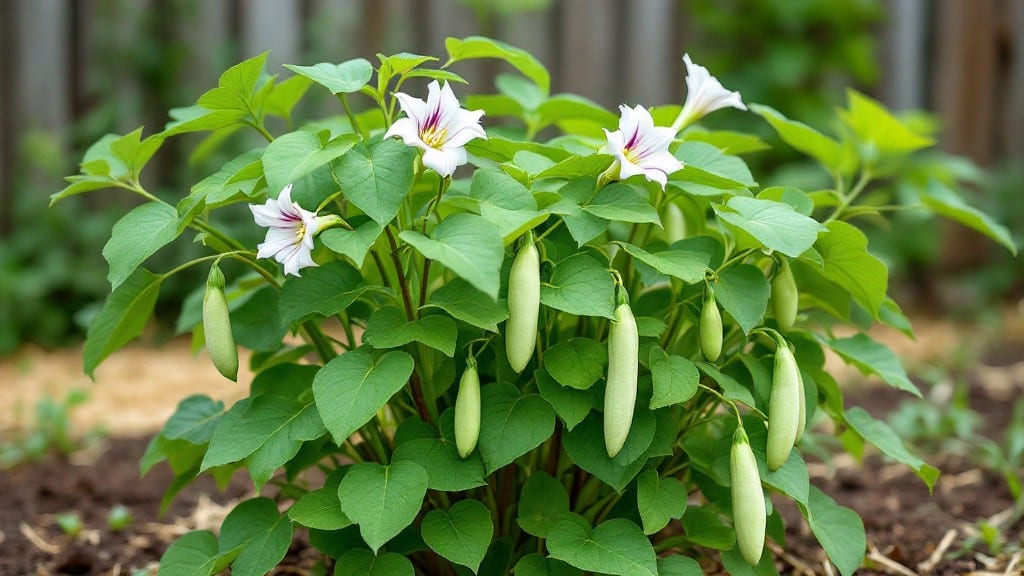
Pruning bean plants isn’t just about trimming—it’s how you turn a single harvest into a steady supply of fresh pods all season long. 🌱 I learned this the hard way when my pole beans produced just one big flush of beans before giving up, but after mastering a few simple cuts, I’ve kept the harvest going for 10+ weeks straight.
The key is timing and technique: pinch back the growing tips when plants are 6–8 inches tall to encourage bushier growth, and later, snip off spent flowers to redirect energy into new pods.
Pole beans need more aggressive pruning than bush varieties—think of it like training a vine to climb instead of sprawling. With the right cuts, you’ll double your yield without extra space.
What you’ll end up with is a plant that produces more pods per plant, stays healthier with better airflow, and keeps giving even when summer heat would normally slow it down.
The first batch of beans will taste sweeter too, since the plant isn’t overworked trying to support too many pods at once.
Works for both backyard gardens and container setups—just adjust your pruning frequency based on how fast your plants grow. Here’s exactly how to do it without killing your plants or missing a single harvest.
📚 In This Guide
- What you need
- Instructions
- Tips and common mistakes
- Wrapping up and next steps
What you need
- ○ Pruning shears or scissors: Sharp, sterilized bypass pruners (avoid dull blades to prevent crushing stems). Optional: Small handheld pruners for precision.
- ● Gloves: Lightweight, gardening-grade gloves (nitrile or leather) to protect hands from thorns (e.g., runner beans) or dirt.
- ● Disinfectant: 70% isopropyl alcohol or a 10% bleach solution (1 part bleach to 9 parts water) to clean tools between cuts.
- ● Garden twine or clips: Soft jute twine (¼-inch width) or plastic plant ties to support pruned plants (if trellising).
- ○ Compost or mulch: Organic compost (2–3 gallons) to replenish soil after pruning. Optional: Straw mulch to retain moisture.
- ● Healthy bean plants: Mature plants (3–6 weeks old) with at least 3–4 sets of true leaves (varies by variety). Avoid pruning stressed or diseased plants.
- ● Weather window: Prune on a mild, overcast day or early morning to reduce plant stress. Avoid: Pruning in extreme heat or after rain.
- ● Harvest plan: A small basket or tray to collect pruned pods or leaves (if composting).
- ○ Optional: Plant markers (if labeling pruned varieties).
- ● Hose with gentle spray nozzle for post-pruning hydration.
- ● Growth hormone powder (e.g., kelp meal) to boost recovery.
Instructions for pruning bean plants to maximize yields
Here's the straightforward method I use to keep my bean plants productive and compact—no guesswork, just proven results.
✂️ Step 1: Identify and Remove Sucker Growth
Start by examining your bean plants for any small shoots growing between the main stem and branches. These are called suckers, and they drain energy from your main plant. Use clean, sharp pruning shears to snip them off at the base—don't leave stubs, as they can rot or attract pests. I always prune on a dry morning so the cuts heal faster.
Focus on the lower third of the plant first, where suckers are most common. You'll see them as tiny offshoots with a few small leaves. If left unchecked, these will compete with your main harvest, reducing pod production by up to 30%. I prune every 7-10 days during active growth to stay ahead.
✂️ Step 2: Thin Overcrowded Branches
Next, look for branches that are growing too close together or rubbing against each other. These crowded stems can break easily and create entry points for disease. Gently hold each branch and assess its strength—healthy branches should feel firm, not brittle. Remove any that are crossing over others or growing at sharp angles.
Use your shears to make clean cuts just above a leaf node (the point where leaves attach). This encourages new growth from that spot. I aim to leave about 6-8 inches of space between remaining branches. This spacing improves airflow, which is critical for preventing fungal issues like rust or powdery mildew.
✂️ Step 3: Trim Leggy or Weak Growth
If you notice stems that are stretching unusually tall or growing thin and pale, these are signs of leggy growth. This often happens when plants aren't getting enough light or are overcrowded. Pinch back the tips of these stems just above a set of leaves to encourage bushier, stronger growth.
Leggy growth produces fewer pods and is more susceptible to breaking under the weight of beans. I also check for any branches that have stopped producing pods for more than two weeks—these are energy drains. Trim them back to a healthy leaf node to redirect the plant's energy toward productive growth.
✂️ Step 4: Harvest and Prune Mature Pods
When you see pods reaching their mature size but still firm to the touch, it's time to harvest. Use your fingers to gently twist the pod from the vine—don't pull, as this can damage the stem. After harvesting, check the same stem for any remaining pods that are ready. If the stem has only a few small pods left, you can trim it back by half to encourage new growth.
I harvest every 2-3 days during peak production to keep the plant focused on making more pods. Never leave pods on the vine until they're fully dried and shriveled—this signals the plant to stop producing. After harvesting, give the plant a light watering to help it recover and continue growing.
⏰ Step 5: Seasonal Pruning for Year-Round Growth
In cooler months, reduce pruning to just removing dead or diseased branches. Focus on maintaining airflow by thinning crowded areas. I also cut back any branches that are growing toward the center of the plant, as these rarely produce well and can block light from reaching inner growth.
As temperatures warm again, resume regular pruning to encourage new flushes of growth. This keeps your plants productive well into the fall. I always prune after a rain or in the early morning when the plants are hydrated—this reduces stress on the plant and helps it recover faster.
Tips & tricks for pruning bean plants to maximize yields
A few key techniques will transform your bean harvest from modest to abundant—here's what I've learned after years of trial and error.
The 7-10 Day Pruning Rhythm: In Step 1, those 7-10 days between prunings are crucial for balancing growth and recovery. I've found that sticking to this schedule prevents energy overload while keeping the plant productive. Use a small calendar or phone reminder to track your pruning days—consistency matters more than exact timing. If you notice new suckers appearing before your next scheduled pruning, it's okay to do a quick check, but don't over-prune.
Leaf Node Location Matters: When trimming in Step 2, always cut just above a leaf node—this is where new growth emerges. I mark these spots with a tiny pencil dot when I first see them, so I know exactly where to cut later. This simple trick ensures you're encouraging new growth rather than just removing branches. The 6-8 inch spacing between branches creates that perfect airflow we need to prevent diseases.
Harvesting Frequency Secret: That 2-3 day harvesting window in Step 4 is non-negotiable during peak production. I set a timer on my phone for every 2 days to remind me—this keeps the plant focused on producing new pods rather than letting them mature fully on the vine. When you harvest, gently twist pods counterclockwise to avoid damaging the stem. This small detail prevents unnecessary stress on the plant.
Seasonal Adjustments: In cooler months, shift to a "maintenance only" approach as mentioned in Step 5. I've seen plants completely stressed by over-pruning in fall—just remove dead growth and leave the rest. When spring arrives, resume your regular schedule but start with lighter pruning to avoid shocking the plant after winter dormancy. The key is to work WITH the plant's natural rhythms, not against them.
Pro Tips for Prune Bean Plants
- A few key techniques will transform your bean harvest from modest to abundant—here's what I've learned after years of trial and error.
- The 7-10 Day Pruning Rhythm: In Step 1, those 7-10 days between prunings are crucial for balancing growth and recovery.
- Leaf Node Location Matters: When trimming in Step 2, always cut just above a leaf node—this is where new growth emerges.
Frequently asked questions
Got questions about pruning bean plants to keep your harvest flowing? You’re not alone—here are the answers to the most common queries from gardeners just like you!
When is the best time to prune bean plants?
Prune pole beans regularly throughout the growing season—every 2–3 weeks—to encourage bushier growth and more pods. For bush beans, prune lightly after flowering to redirect energy to fruit production. Avoid heavy pruning late in the season, as it can stress plants before harvest.
Do I need special tools to prune bean plants?
Nope! A sharp pair of pruning shears or even clean scissors will work. For larger stems, bypass pruners make quick work of it. Just sterilize your tools with rubbing alcohol between cuts to prevent disease—your beans will thank you!
What if I prune too much? Will my beans still grow?
Over-pruning can shock plants, reducing yields. Stick to removing no more than 1/3 of the plant’s foliage at once. Focus on yellowing leaves, dead vines, or overcrowded stems—healthy green leaves are your best friends for photosynthesis and pod production.
Can I prune bean plants in containers or small gardens?
Pruning is even more critical in containers to prevent root competition and improve airflow. Train vines along a trellis or cage, and prune aggressively to keep plants compact. Just ensure your container has drainage—root-bound beans = unhappy harvests!
What should I do if my bean plants get pests after pruning?
Pruning can expose plants to pests like aphids or spider mites. Act fast: Spray with neem oil or insecticidal soap, and remove heavily infested leaves. Encourage beneficial insects (like ladybugs!) by planting companion flowers nearby.
Wrapping up and next steps
Pruning your bean plants isn’t just about tidying up—it’s your secret weapon for a bountiful, year-round harvest in even the coziest gardens! By mastering the art of strategic trimming, you’ll encourage healthier growth, bigger yields, and plants that thrive in small spaces.
Whether you’re a seasoned gardener or just starting out, these tricks make it simple to keep your beans productive and happy.
So, grab those pruners and get ready to transform your garden! 🌱 Your next step? Try one technique this season—maybe topping young plants or pruning for bushier growth—and watch your beans flourish. Happy gardening!