Watering
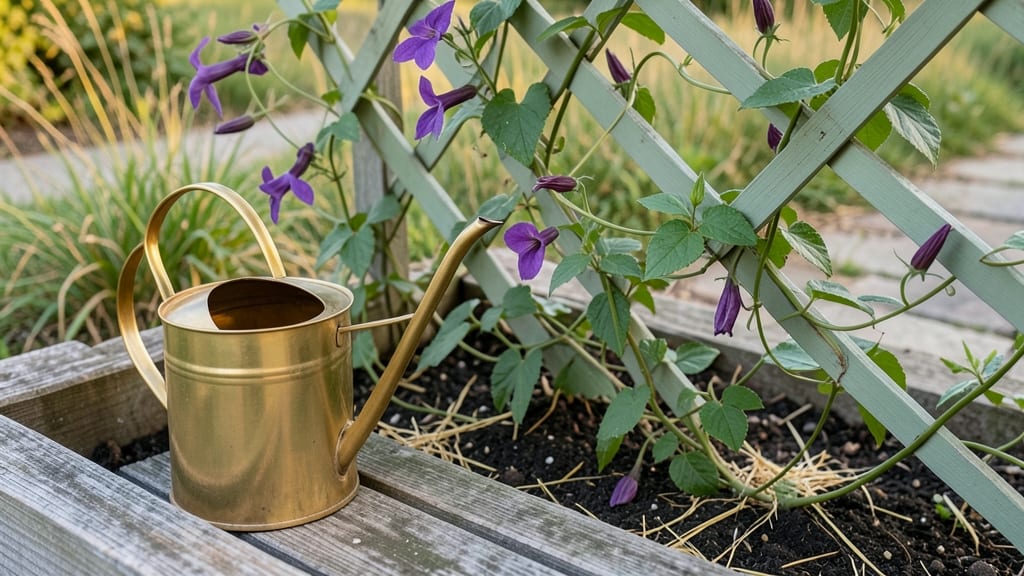
Watering clematis plants correctly is the difference between vibrant blooms and sad, leggy vines that refuse to thrive.
Struggling to keep your clematis blooming beautifully? The secret lies in a precise watering schedule tailored to each season—too much or too little can stunt growth or kill your vines entirely.
These sun-loving climbers need consistent moisture, but their roots hate soggy soil. In Zone 6, spring is when they wake up hungry, summer demands daily deep drinks, and winter slows everything down.
Below, I’ll walk you through the exact watering routine—when to soak, how deep to go, and what to watch for so your clematis thrives all season long.
Seasonal watering schedule for clematis: when and how much to water
Clematis vines thrive with consistent moisture, but their watering needs shift dramatically across seasons. Too much water in winter can rot roots, while summer drought causes drooping blooms and stunted growth. The key is adapting your schedule to match your plant's growth cycles and environmental conditions.
Start by checking soil moisture 1 inch below the surface—this is where clematis roots actively absorb water. Use your finger to test: if it feels dry, it's time to water.
For young plants, this means daily checks in summer, while established vines need less frequent watering. Rainfall also plays a critical role; adjust your schedule accordingly to avoid overwatering.
Here’s how to water clematis month-by-month for peak blooms and healthy vines:
| Month | Watering Frequency | Depth | Notes |
|---|---|---|---|
| January | Bi-weekly | Shallow (1-2 inches) | Dormant season; avoid soggy soil. |
| February | Bi-weekly | Shallow (1-2 inches) | Check for thawing; water lightly if soil is dry. |
| March | Every 5-7 days | 6 inches deep | Increase as new shoots emerge; mulch to retain moisture. |
| April | Every 3-5 days | 8-10 inches deep | Critical for bud formation; water early morning. |
| May | Every 2-3 days | 10-12 inches deep | Peak blooming season; adjust for rain. |
| June | Daily (deep watering) | 12-15 inches deep | Hot months; water at soil level to avoid wetting leaves. |
| July | Daily (deep watering) | 12-15 inches deep | Monitor for wilting; mulch heavily to conserve water. |
| August | Every 2-3 days | 10-12 inches deep | Reduce watering gradually as growth slows. |
| September | Every 5-7 days | 6 inches deep | Prepare for dormancy; reduce fertilizer. |
| October |
Signs of overwatering vs underwatering in clematis plantsYour clematis vines may look stunning, but their health depends entirely on your watering habits. Too much or too little water can cause irreversible damage, like root rot or stunted growth. Learning to spot these signs early helps you adjust before your plants suffer. I’ve seen wilting leaves and yellowing foliage turn into full-blown crises—don’t let that happen to your clematis! Clematis plants thrive on consistent moisture, but their roots need room to breathe. Overwatering smothers them, while underwatering stresses them into dormancy. The key is balance—deep watering every 3-5 days in summer, but reducing frequency in cooler months. Let’s break down the telltale symptoms so you can save your vines before it’s too late. Overwatering vs Underwatering in ClematisOverwatering
✅ Fix: Let soil dry slightly between waterings; improve drainage. Underwatering
✅ Fix: Water deeply at soil level; mulch to retain moisture. If your clematis leaves are turning yellow with soft, mushy spots, you’re likely overwatering. This creates the perfect environment for root rot, a fungal disease that can kill your plant in weeks. I’ve pulled up clematis roots that looked like rotted spaghetti—trust me, it’s heartbreaking. The fix? Adjust your watering schedule and ensure your pots or garden bed have proper drainage. On the flip side, underwatered clematis will show signs like crispy leaf edges and wilting vines that don’t perk up after watering. These plants are screaming for hydration, yet their roots can’t reach deep enough. The solution? Deep watering at the base of the plant, not just a light sprinkle. Aim for 1-2 inches of soil moisture at all times during the growing season. Don’t ignore new growth that looks weak or stunted—this is another red flag. Whether from overwatering or underwatering, your clematis needs a reset. For overwatered plants, trim back affected stems and repot if necessary. For underwatered ones, give them a good soak and monitor closely for improvement. Patience is key; recovery can take a few weeks. Pro tip: Stick your finger 2 inches into the soil. If it’s damp, wait to water. If it’s dry, it’s time for a drink. This simple check saves countless clematis plants from unnecessary stress. With the right balance, your vines will reward you with vibrant blooms all season long! 🌸 |