Flowers
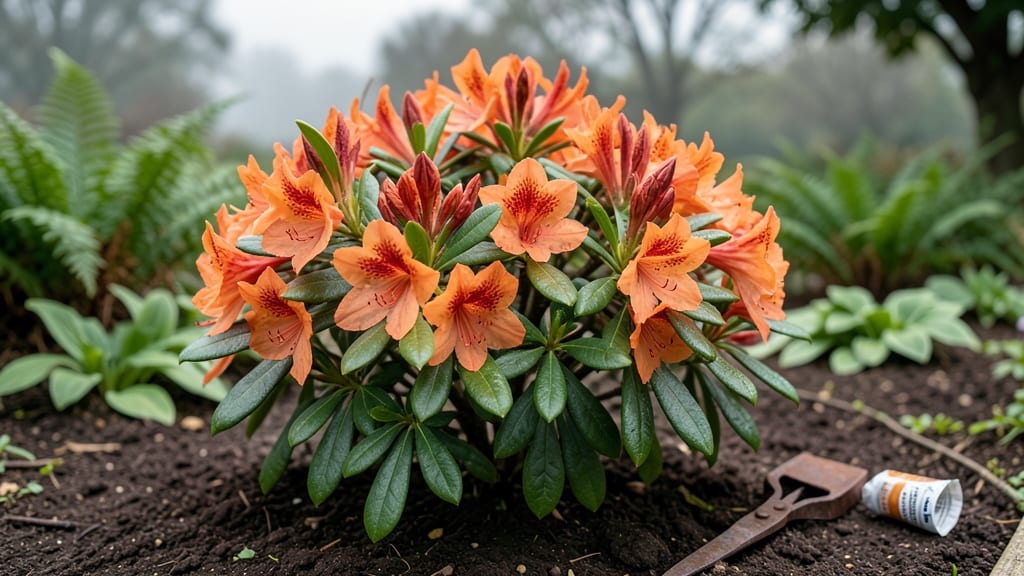
Growing an orange azalea plant starts with the right spot—because these showstoppers handle both sun and shade better than most flowers. 🌿 I learned this the hard way when my first azalea burned under full sun, but once I moved it to morning light with afternoon shade, it exploded with blooms that smell like spring in a bottle.
The secret isn’t just location; it’s the soil and water balance that keeps those vibrant flowers coming back year after year.
You’ll need well-draining, acidic soil (think pine bark or peat moss mixed with your native dirt) and a container or garden bed that stays consistently moist but never soggy. Azaleas hate wet feet, so if your soil drains poorly, raise them in containers with drainage holes.
A 3-5 gallon pot works great for container growing, and mulch helps retain moisture while keeping roots cool. The right setup means fewer wilting leaves and more of those fragrant orange blooms you’ll want to show off.
Once established, your azalea will reward you with weeks of blooms in spring and sometimes again in fall, plus glossy green leaves that stay lush all season.
The key is pruning right after flowering to shape the plant and encourage next year’s blooms—just snip back any leggy growth or spent flowers. With the right care, your azalea will become the star of your garden, drawing hummingbirds and neighbors alike to admire its vibrant color and intoxicating scent.
Works beautifully in foundation plantings, shade gardens, or even large containers on patios. Whether you’re a beginner or a seasoned gardener, azaleas are forgiving once you get their basic needs right. Let’s get yours thriving!
📚 In This Guide
- What you need
- Instructions
- Tips and common mistakes
- Wrapping up and next steps
What you need
- ● Orange azalea plant: 1–3 nursery-grown plants (choose healthy specimens with firm stems and buds).
- ● Well-draining soil: 5–10 bags (2–3 cubic feet each) of acidic potting mix (pH 4.5–6.0) or garden soil amended with peat moss or pine bark fines.
- ● Container or garden bed: For containers: 1–2 large pots (12–18 inches deep) with drainage holes.
- ● For in-ground planting: A partially shaded or dappled sunlight spot (4–6 hours of light daily).
- ● Organic mulch: 1–2 bags of pine straw, wood chips, or pine bark (2–3 inches thick) to retain moisture and acidify soil.
- ● Watering can or hose: With a gentle spray nozzle for hydration.
- ● Fertilizer: 1 bag of acid-loving plant fertilizer (e.g., 8-3-9 or 10-10-10 with micronutrients) or azalea-specific granules.
- ● Soil pH tester: To monitor acidity levels (aim for below 6.0).
- ● Slow-release fertilizer spikes: For container-grown azaleas (1–2 per pot).
- ● Pruning shears: Sharp, clean pair for shaping after blooming.
- ● Plant stakes or cages: If your azalea is top-heavy or in a windy area.
- ● Epsom salt: 1–2 boxes (for magnesium boosts if leaves yellow between veins).
Step-by-step guide to planting and caring for orange azaleas
Here’s how to get those vibrant orange blooms thriving—whether your yard gets sun or shade.
🌱 Step 1: Choose the Perfect Planting Spot
Orange azaleas are adaptable but prefer morning sun and afternoon shade—think dappled light under tall trees. Avoid harsh afternoon sun, which can scorch petals and leaves. If you have a shady spot, no problem—just ensure it gets at least 4-6 hours of indirect light daily. I test spots by placing a white sheet on the ground for an hour; if it stays cool, it’s a good fit.
Dig a hole twice as wide as the root ball but only as deep. Planting too deep suffocates roots, while too shallow exposes them to drying out. Mix the removed soil with 2 inches of organic mulch (like pine bark) to improve drainage and retain moisture. This step is critical—skipping it leads to weak root establishment.
💧 Step 2: Plant and Water Deeply
Gently remove the azalea from its container and loosen any circling roots with your fingers—this encourages outward growth. Place it in the hole so the top of the root ball sits 1 inch above soil level (azaleas hate soggy crowns). Fill around the roots with the amended soil, pressing lightly to eliminate air pockets.
Water deeply and slowly until moisture seeps out the bottom. You’ll know it’s right when the soil around the edges feels damp but not waterlogged. Mulch the surface with 2-3 inches of bark, leaving a 2-inch gap around the stem to prevent rot. This keeps roots cool and conserves water—key for azaleas, which despise drought.
☀️ Step 3: Maintain Soil Moisture and Light
Azaleas need consistently moist but never soggy soil. Water 2-3 times per week in hot weather, checking the top inch—if it’s dry, it’s time. I use a rain gauge to track rainfall; if it’s been dry for days, supplement with a slow drip system to avoid wetting leaves (which causes fungal issues).
Fertilize lightly in early spring with an acid-loving plant formula (like 10-10-10 with sulfur). Over-fertilizing burns roots, so follow package rates—half is often enough. Prune spent blooms in late spring to encourage new growth, but never cut into old wood (azaleas bloom on last year’s growth).
✂️ Step 4: Prune and Protect for Long-Term Health
Prune after blooming to shape the plant and remove dead branches. Use clean, sharp shears to make cuts at a 45-degree angle just above a leaf bud. This encourages bushier growth and prevents disease. I also thin out crowded stems to improve airflow—azaleas in tight clusters get more pests and mildew.
Watch for lance-shaped leaves and white blooms in spring—these signal azalea lace bugs or powdery mildew. Treat early with neem oil spray (mix 1 tablespoon per gallon of water) and keep mulch clear of the stem. With proper care, your orange azalea will reward you with 3-4 weeks of fragrant blooms every spring.
Tips & tricks for perfect orange azalea care
Between us, I've planted more azaleas than I can count—and these tricks will help you avoid the mistakes I made early on.
Soil Preparation Secret: Before planting, test your soil's pH—orange azaleas thrive in acidic soil (pH 5.0-6.0). If your soil is alkaline, mix in 2 inches of peat moss or sulfur granules when amending the hole. I learned this the hard way when my first azalea struggled in regular garden soil. The right pH makes all the difference for vibrant blooms.
Root Ball Handling: When removing your azalea from its container, gently squeeze the sides to loosen the root ball. If roots are circling tightly, use your fingers to untangle them—this prevents girdling as the plant grows. I always do this step even with small plants, and it's made a noticeable difference in how quickly they establish. Remember, healthy roots equal healthy blooms.
Watering Wisdom: The 2-3 times per week watering guideline works best with a rain gauge to track natural rainfall. If you're using a sprinkler system, water in the early morning to prevent fungal diseases from wet foliage. I've seen azaleas develop powdery mildew from evening watering—trust me, you don't want to deal with that. Aim for 1 inch of water per week during hot months.
Pruning Timing: Wait until after all blooms have faded before pruning—this is crucial because azaleas bloom on old wood. I make a point to mark my calendar after the last orange bloom drops. When pruning, never cut into last year's growth where the buds formed. This one mistake can mean no flowers next season!
Pro Tips for Orange Azalea Plant
- Between us, I've planted more azaleas than I can count—and these tricks will help you avoid the mistakes I made early...
- Soil Preparation Secret: Before planting, test your soil's pH—orange azaleas thrive in acidic soil (pH 5.0-6.0). If y...
- Root Ball Handling: When removing your azalea from its container, gently squeeze the sides to loosen the root ball. I...
Frequently asked questions
Got questions about keeping your orange azalea thriving? You’re not alone! Here are some of the most common queries—plus quick, practical answers to keep your fragrant blooms happy.
When is the best time to plant an orange azalea?
Plant your orange azalea in early spring or fall when temperatures are mild (50–70°F). Avoid extreme heat or cold, which can stress roots. If planting in containers, spring is ideal—just ensure they’re in a sheltered spot until established.
Why aren’t my orange azaleas blooming?
Blooms may skip a year if the plant is stressed, over-fertilized, or lacks sunlight. Most azaleas need partial shade (morning sun + afternoon shade). Prune after blooming to avoid cutting off next year’s buds, and check soil pH—azaleas thrive in acidic soil (pH 4.5–6.0).
How often should I water my orange azalea?
Keep soil consistently moist but not soggy. Water deeply 2–3 times per week in hot/dry weather, and reduce to once a week in cooler months. Mulch (2–3 inches) helps retain moisture and protect roots. Pro tip: Water at the base, not overhead, to prevent fungal issues.
Can I grow orange azaleas in containers?
Choose a large pot (15+ gallons) with drainage holes and acidic pH soil. Use a well-draining mix (like pine bark + peat moss). Container azaleas need more frequent watering and may bloom less than in-ground plants. Move containers to partial shade in summer to prevent leaf scorch.
What pests should I watch for with orange azaleas?
Common pests include lace bugs, spider mites, and azalea bark scale. Check undersides of leaves for tiny yellow spots (lace bugs) or webbing (mites). Treat with neem oil or insecticidal soap. For scale, prune infested branches and apply horticultural oil in early spring.
Wrapping up and next steps
Growing an orange azalea plant is a rewarding journey that brings vibrant color and intoxicating fragrance to your garden—whether basking in sunlight or thriving in shade! 🌸 With the right soil, watering routine, and a little TLC, these stunning blooms will flourish for years. Don’t wait—start your azalea adventure today!
Ready to transform your outdoor space? Pick your spot, gather your supplies, and plant with confidence! Happy gardening! 🌱