Fertilization
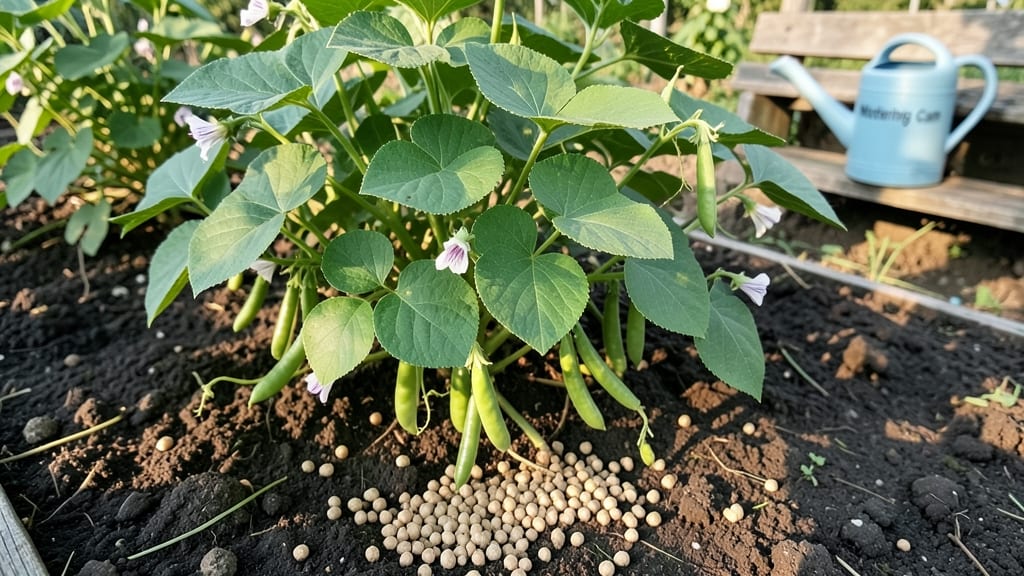
Choosing the right bean plant fertilizer can transform your seedlings into thriving, productive plants in record time.
Struggling to get your bean plants to thrive? The right fertilizer ratios can mean the difference between stunted growth and a bountiful harvest—especially when it comes to nitrogen, phosphorus, and potassium balance.
Beans need a balanced approach—too much nitrogen and you’ll get lush leaves but no pods, while too little phosphorus can leave your plants weak and struggling to set flowers.
In this guide, I’ll break down the best fertilizer types, when to apply them, and how to adjust for different bean varieties—so you can grow strong plants that produce all season long.


Understanding N-P-K ratios for bean plant fertilizer and their impact on growth
When growing beans, the N-P-K ratio on your fertilizer bag isn't just numbers—it's a roadmap to success. These three elements—nitrogen (N), phosphorus (P), and potassium (K)optimal bean growth at every stage.
Beans are legumes, which means they naturally fix nitrogen in the soil through their roots. However, they still need a balanced fertilizer to thrive, especially during critical growth phases. The key is understanding when to emphasize each nutrient.
For example, nitrogen builds lush foliage, while phosphorus supports strong root development and flowering. Meanwhile, potassium ensures your plants stay resilient against pests and diseases. Getting this balance right means the difference between stunted plants and a bountiful harvest.
During the seedling stage, beans need a gentle push to establish strong roots and foliage. A 5-10-10 ratio is ideal here, with slightly more phosphorus than nitrogen to encourage root development without overwhelming the young plants.
If you notice yellowing leaves at this stage, it’s often a sign of nitrogen deficiency. A light application of fish emulsion or a compost tea can quickly remedy this.
As your beans transition to the flowering stage, shift your focus to phosphorus. This nutrient is critical for forming strong blooms and setting pods. A 10-20-10 ratio is perfect here, as the higher phosphorus content supports the energy demands of flower production.
If your plants are producing few flowers or the stems appear weak, it’s time to adjust your fertilizer. A side dressing of bone meal can provide an immediate phosphorus boost.
The podding stage is where potassium takes center stage. Potassium helps beans develop firm, high-quality pods and improves the plant’s resistance to diseases and pests. A 5-10-20 ratio is ideal during this phase, with the higher potassium content supporting overall plant health.
If your pods are small or underdeveloped, it’s a clear sign that your plants need more potassium. A potassium-rich fertilizer, like greensand or wood ash, can help turn things around.
One common mistake gardeners make is over-fertilizing with nitrogen throughout the entire growing season. While nitrogen promotes leafy growth, too much can lead to excessive foliage at the expense of pod production.
Beans are unique because they fix their own nitrogen through nodules on their roots, so they don’t need as much as other plants. Instead, focus on balanced fertilization and adjust the ratios based on the plant’s growth stage.
For organic gardeners, natural amendments like compost, manure tea, and kelp meal can provide a balanced nutrient profile without the risk of synthetic fertilizers. Compost, in particular, improves soil structure and provides a slow-release source of nutrients.
If you’re using organic fertilizers, apply them every 4-6 weeks during the growing season, starting when the plants are about 2-3 inches tall.
If you're growing pole beans versus bush beans, the fertilizer needs can vary slightly. Pole beans, which grow taller and produce over a longer season, may benefit from a slightly higher potassium ratio to support their extended growth.
Bush beans, on the other hand, can thrive with a more balanced approach since their growth cycle is shorter. Always monitor your plants closely and adjust your fertilizer strategy based on their specific needs and responses.
Remember, the goal isn’t just to feed your beans—it’s to optimize their growth at every stage. By understanding the role of each nutrient and adjusting your N-P-K ratios accordingly, you’ll set your bean plants up for success from seedling to harvest. With the right balance, you’ll enjoy a healthy, productive garden filled with delicious beans all season long
Best organic and synthetic bean plant fertilizers compared by N-P-K ratios
Choosing the right bean plant fertilizer can transform your garden from struggling seedlings to thriving vines with abundant pods. The key lies in understanding N-P-K ratios—nitrogen for leafy growth, phosphorus for root development, and potassium for overall health.
For beans, a balanced approach prevents overfeeding while supporting pod production.
I’ve tested both organic and synthetic fertilizers to find the best options for beans. Organic choices like compost tea and fish emulsion build soil health slowly, while synthetic blends like 10-20-20 deliver quick results. Each has trade-offs in cost, ease, and nutrient delivery—let’s break it down for your garden.
comparison-table
For bush beans, I recommend starting with a 5-10-10 synthetic fertilizer at planting to encourage even growth.
Once flowers appear, switch to bone meal or compost tea to support pod development without overloading nitrogen. Pole beans, which grow taller and produce more pods, benefit from a mid-season boost with 10-20-20 during flowering.
Organic options like fish emulsion are ideal for seedling stages, but their strong odor might deter some gardeners. If you prefer convenience, granular synthetic fertilizers are easier to apply and dissolve quickly. However, they lack the long-term soil benefits of organic matter. For a cost-effective solution, mix compost tea with a light application of 5-10-10