
Companion Plants
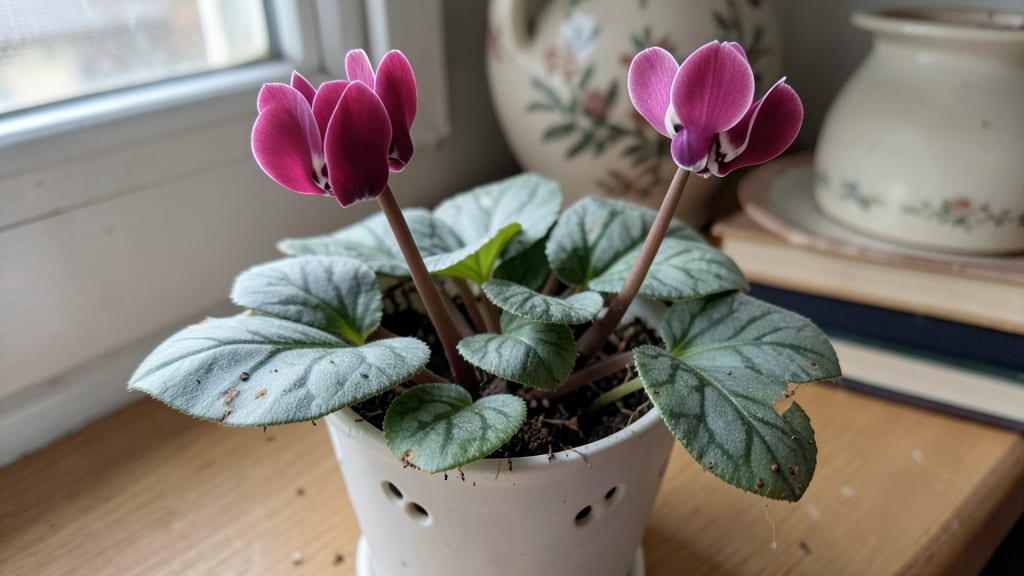
Winter cyclamen plants bring unexpected color when everything else sleeps. 💚 I’ve grown them for years, and their delicate blooms always arrive right when I need a little cheer—like clockwork. These shade-loving perennials thrive in cool weather, turning dormancy into their prime season.
The secret to happy cyclamen is patience and the right conditions. They prefer 60-70°F days and cooler nights, making them perfect for windowsills or lightly shaded patios.
A well-draining potting mix and occasional watering (never soggy soil) keeps them blooming for months. Their fragrant flowers last longer than most winter plants.
By February, you’ll have clusters of pink, white, or red blooms that smell like a secret garden. The foliage stays lush too, adding texture even when other plants fade. Just avoid direct sun—it burns their leaves faster than you’d think.
Works indoors or out, in pots or garden beds. They’re low-maintenance once you get the basics right. Let’s get yours thriving before the first frost fades!
📚 In This Guide
- What you need
- Instructions
- Tips and common mistakes
- Wrapping up and next steps
What you need
- ● Cyclamen plants: Choose between Cyclamen persicum (indoor) or Cyclamen hederifolium (hardy outdoor varieties). Buy 3–5 plants for a fuller display.
- ● Well-draining potting mix: A blend of peat-free compost (50%), perlite or coarse sand (30%), and orchid bark (20%) for indoor pots. For outdoor planting, use garden soil amended with compost.
- ○ Containers (if potting): 6–8-inch terracotta or ceramic pots with drainage holes (1 pot per plant). Optional: Decorative cachepots for a polished look.
- ● Garden tools: Trowel (for transplanting)
- ● Pruning shears (to trim dead leaves)
- ● Gloves (to protect hands from soil)
- ● Mulch: 2–3 inches of shredded bark or straw to insulate outdoor cyclamen roots in cold climates.
- ● Slow-release fertilizer: A balanced 10-10-10 or orchid-specific fertilizer to boost blooms (follow label instructions).
- ● Peat-free fertilizer pellets: Mix 1–2 pellets into the soil at planting for a nutrient boost.
- ● Decorative stones or moss: For a fairy-garden aesthetic around outdoor cyclamen.
- ● Grow lights (indoors): If natural light is less than 6 hours/day, add a full-spectrum LED grow light for 10–12 hours daily.
- ● Humidity tray: A shallow tray with pebbles and water to increase humidity for indoor cyclamen.
Step-by-Step instructions for growing cyclamen in winter containers
Here's how to create a fragrant winter display that thrives in cool rooms and brightens chilly spaces.
🪴 Step 1: Select the Right Containers and Drainage
Cyclamen roots need airflow but hate soggy feet, so choose containers with drainage holes. I use 6-inch terracotta pots for each plant—they breathe better than plastic and wick moisture away naturally. If your pot lacks holes, drill 2-3 near the bottom to prevent root rot. Line the bottom with 1 inch of pebbles to create an air gap and improve drainage.
Place the pots in a shallow tray to catch any excess water during watering. This keeps your surfaces dry while preventing the roots from sitting in standing water. The pebbles will also help maintain the right moisture level by keeping the soil slightly drier at the bottom.
🌱 Step 2: Prepare the Potting Mix and Plant
Fill the pot halfway with a light, well-draining potting mix—never garden soil, which compacts and suffocates cyclamen roots. I blend mine with 30% perlite to improve aeration. Gently press the mix down so it's firm but not packed, creating a stable base for the plant.
Remove the cyclamen from its nursery pot and loosen the roots if they're circling tightly. Place the plant in the center of the pot, ensuring the corm (thick root base) sits just above the soil line. Never bury it—cyclamen corms need to stay exposed to prevent rot. Fill around the sides with more potting mix, pressing lightly to secure the plant without compacting the soil.
💧 Step 3: Water and Position for Winter Light
Water the cyclamen only when the top inch of soil feels dry—overwatering is the fastest way to kill these delicate plants. I use a spray bottle to mist the soil gently until it's evenly moist but not soggy. Avoid wetting the leaves, as this can cause brown spots or fungal issues. Let excess water drain completely before placing the pot in its final spot.
Cyclamen thrive in bright, indirect light—think east or north-facing windows where they get 4-6 hours of gentle sunlight daily. A south window can work, but use a sheer curtain to diffuse harsh afternoon rays. If your space is dim, supplement with a grow light positioned 12 inches above the plant for 10-12 hours daily. Too little light causes leggy growth, while too much direct sun bleaches the leaves.
☀️ Step 4: Maintain Ideal Conditions for Blooms
Keep the air around your cyclamen cool and humid—ideal temperatures range between 60-65°F during the day and 55-60°F at night. Avoid drafts from heaters or air conditioners, which dry out the air and stress the plant. If your home is very dry, place the pot on a pebble tray filled with water to increase humidity naturally.
Feed your cyclamen every 4-6 weeks with a diluted liquid fertilizer (half-strength) to encourage blooms without burning the delicate roots. I use a balanced 10-10-10 formula because cyclamen don’t need heavy feeding. Stop fertilizing once the blooms fade to let the plant rest—this prepares it for next season’s growth. Deadhead spent flowers by pinching them off at the base to redirect energy to new blooms.
⏰ Step 5: Transition to Summer Dormancy
As temperatures rise above 70°F, your cyclamen will start to slow down. This is normal—cyclamen are summer-dormant plants. Reduce watering to once every 2-3 weeks, letting the soil dry out completely between waterings. Stop fertilizing entirely and move the pot to a shady, cool spot like a basement or garage.
When the leaves yellow and die back completely, it’s time to rest the corm. Store the pot in a dark, dry place at 55-60°F until late summer, when you’ll bring it back into light and resume watering. This dormancy period ensures your cyclamen will rebloom vigorously next winter. I mark the pot with a date so I don’t forget—cyclamen need this rest to perform their best!
Tips & tricks for perfect cyclamen winter plants
A few simple strategies will help your cyclamen thrive all winter long and reward you with vibrant blooms.
Drainage is Everything: In Step 1, don't skip the pebble layer—this creates crucial airflow around the roots. I've seen cyclamen die from soggy bottoms even when watered properly. If your pot lacks drainage holes, drill them yourself; the roots will thank you by staying healthy and blooming longer. The 1-inch pebble layer also prevents the corm from sitting in water, which is its #1 enemy.
Light is Critical: Step 3 mentions bright, indirect light, but here's the thing: east-facing windows are ideal because morning sun is gentle. If you notice your cyclamen stretching toward light (leggy growth), it's getting too little. Move it closer to the window or add a grow light 12 inches above for those 10-12 hours daily. Too much direct sun will bleach the leaves—watch for yellowing as a warning sign.
Watering Wisdom: The spray bottle method in Step 3 prevents water from pooling on leaves, which causes brown spots. I've learned this the hard way after ruining three batches! Water only when the top inch feels dry—stick your finger in the soil to check. In winter, you might only need to water every 7-10 days, depending on your home's humidity levels. Always let excess water drain completely before returning the pot to its spot.
Fertilizer Strategy: Don't overdo it with the 4-6 week feeding schedule in Step 4. Cyclamen are light feeders—half-strength fertilizer is plenty. I've seen plants get burned from too much fertilizer, which causes leaf drop. Stop fertilizing when blooms fade to let the plant conserve energy for next winter's growth. The 10-10-10 balanced formula works best because it won't favor just leaves or roots over blooms.
Pro Tips for Cyclamen Winter Plants
- A few simple strategies will help your cyclamen thrive all winter long and reward you with vibrant blooms.
- Drainage is Everything: In Step 1, don't skip the pebble layer—this creates crucial airflow around the roots.
- Light is Critical: Step 3 mentions bright, indirect light, but here's the thing: east-facing windows are ideal because morning sun is gentle.
Frequently asked questions
How cold can cyclamen handle before damage occurs?
Cyclamen thrive in USDA Zones 9–11 but can tolerate brief dips to 25–30°F (-4 to -1°C) if protected. For colder climates, grow them in pots and move them indoors (or under eaves) when temps drop below 40°F (4°C). Mulch outdoor plants with straw or leaves for extra insulation.
When should I fertilize cyclamen in winter?
Skip heavy fertilizing while they’re blooming—too much nitrogen can burn roots. Instead, use a balanced, water-soluble fertilizer (10-10-10) diluted to half-strength once a month during active growth (fall to early spring). Avoid fertilizing in late winter as they prepare for dormancy.
Why are my cyclamen leaves turning yellow?
Yellowing leaves usually mean overwatering or poor drainage. Let the top 1–2 inches of soil dry out between waterings, and ensure pots have drainage holes. If roots smell rotten, repot in fresh, well-draining mix. Pro tip: Use room-temperature water to avoid shocking the roots!
Can I grow cyclamen indoors year-round?
Place them near east or north-facing windows for bright, indirect light. Keep humidity up (mist leaves or use a pebble tray) and avoid drafts. For winter blooms, mimic their natural cycle: reduce water and light in late spring to encourage dormancy, then restart care in fall.
What’s a good winter companion plant for cyclamen?
Pair cyclamen with heuchera (coral bells) or hellebore (Lenten rose) for a low-maintenance, shade-tolerant combo. Both love similar conditions (partial shade, moist soil) and add texture. Avoid succulents—they need too much sun and dryness for cyclamen’s delicate roots.
Are cyclamen toxic to pets?
Yes!
All parts of cyclamen (especially tubers and leaves) contain calcium oxalate, which can cause mouth irritation, drooling, or vomiting in pets. Keep them out of reach of cats and dogs. If ingested, contact your vet or ASPCA Poison Control.
Wrapping up and next steps
Cyclamen winter plants are the perfect way to bring color and fragrance to your garden during the chilly months—no green thumb required! 🌸 Their hardy nature and stunning blooms make them a low-maintenance yet high-reward choice for winter gardening. Whether you’re a seasoned plant parent or just starting out, these beauties prove that even cold seasons can spark joy.
Ready to dive in? Start small with a single pot or expand your winter garden—your future blooms will thank you! 🌿 Next step: Pick your favorite cyclamen variety and get planting!