
Pests
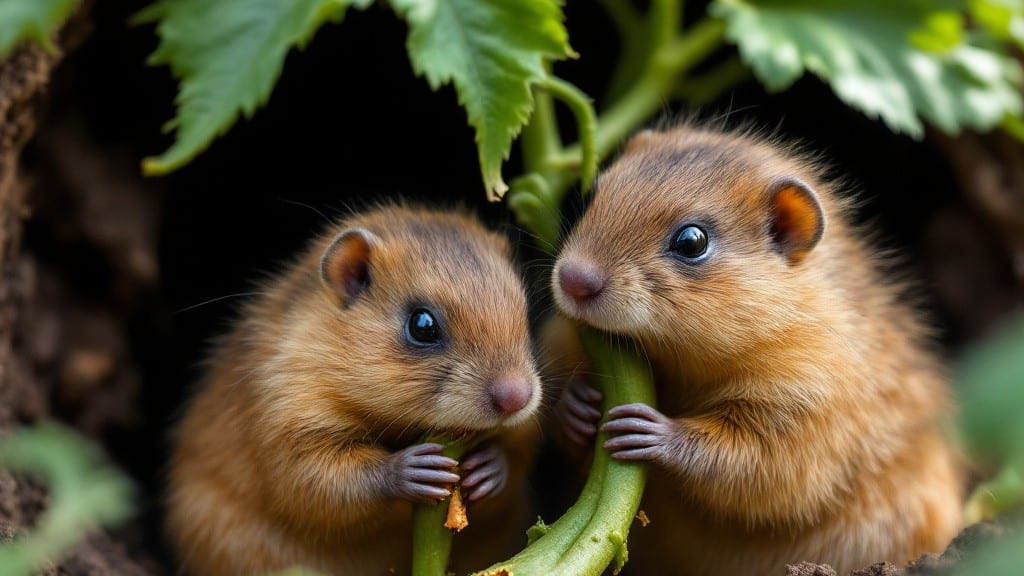
Gophers do eat tomato plants, targeting roots, stems, and sometimes foliage, which can stunt growth or kill seedlings entirely. Their burrowing also disrupts soil structure, making plants more vulnerable to collapse.
Gophers are particularly destructive to tomato plants because they don't just nibble—they go straight for the most critical parts. 🔥 Their underground tunnels can sever root systems, while above-ground feeding leaves jagged bite marks on stems that invite disease.
I've seen entire tomato beds collapse after heavy gopher activity, with plants toppling over like skyscrapers after an earthquake. The real tragedy? Even if the plant survives, the stress from gopher attacks weakens fruit production and flavor.
What makes this worse is how sneaky gophers are. They work primarily at dawn and dusk, so you might not notice damage until it's too late. Their burrowing creates air pockets in the soil that look harmless but actually prevent proper water absorption.
For gardeners, this means even if you deter the gophers, you'll need to aerate the soil afterward to restore its health.
💡 In This Article
- How Gophers Damage Tomato Plants and Gardens
- Best Natural and Chemical Gopher Deterrents for Tomato Gardens
How gophers damage tomato plants and gardens
Gophers attack tomato plants using two primary methods: direct consumption and soil disruption. Their sharp incisors can slice through stems with 50-100 pounds per square inch of pressure, creating clean cuts that look like they were made with a knife.
The real damage occurs underground, where they gnaw through root systems—especially fibrous roots that absorb water and nutrients. A single gopher can consume up to ½ pound of plant material daily, which for seedlings means complete destruction in just 3-5 days.
Their burrowing habits create even more harm through soil compaction. Gophers tunnel at depths of 6-12 inches, creating pathways that disrupt water drainage and root growth. The soil around these tunnels becomes denser, reducing oxygen availability to roots by up to 40%.
This creates a perfect storm for tomato plants: they can't absorb enough water, their roots suffocate, and the plant becomes stressed enough to attract pests like aphids or fungal infections.
Seedlings suffer the most dramatic effects because their root systems are shallow and delicate. A gopher's single bite can sever the main taproot, leaving the plant unable to support its own weight.
Mature plants fare slightly better but still show signs like yellowing leaves, stunted growth, and fruit that's smaller or malformed. The worst cases result in plants that topple over entirely, their roots exposed and vulnerable to rot.
What's particularly insidious is how gopher activity creates a feedback loop. Their tunnels break up soil structure, making it easier for weeds to take hold. The disturbed soil also loses its ability to retain moisture, forcing gardeners to water more frequently—which can actually attract more gophers looking for damp soil.
The combination of direct feeding and indirect soil damage means that even if you deter the gophers, your tomato plants may need months to recover fully.
Here's what's actually happening at the cellular level: When gophers sever roots, the plant's vascular system gets damaged, disrupting the flow of water and nutrients. This triggers a stress response where the plant diverts energy from fruit production to repair.
The result? Fewer tomatoes, and the ones that do grow are often smaller and less flavorful. In extreme cases, the plant may produce bitter-tasting fruit as a defense mechanism against stress.
One surprising detail is how gophers target specific parts of tomato plants based on the season. In early spring, they focus on young shoots and seedlings. By midsummer, when tomato plants are taller, gophers shift to gnawing on stems near the soil line—creating what gardeners call "gopher pruning."
This leaves plants looking like they've been systematically decapitated, with only the top few inches remaining alive.
If you've ever found your tomato plants mysteriously wilting despite proper watering, check for gopher signs: freshly turned soil mounds, irregular holes near the base of plants, or chewed stems with clean edges. The damage compounds quickly, so early detection is your best defense. 🌱