Pruning
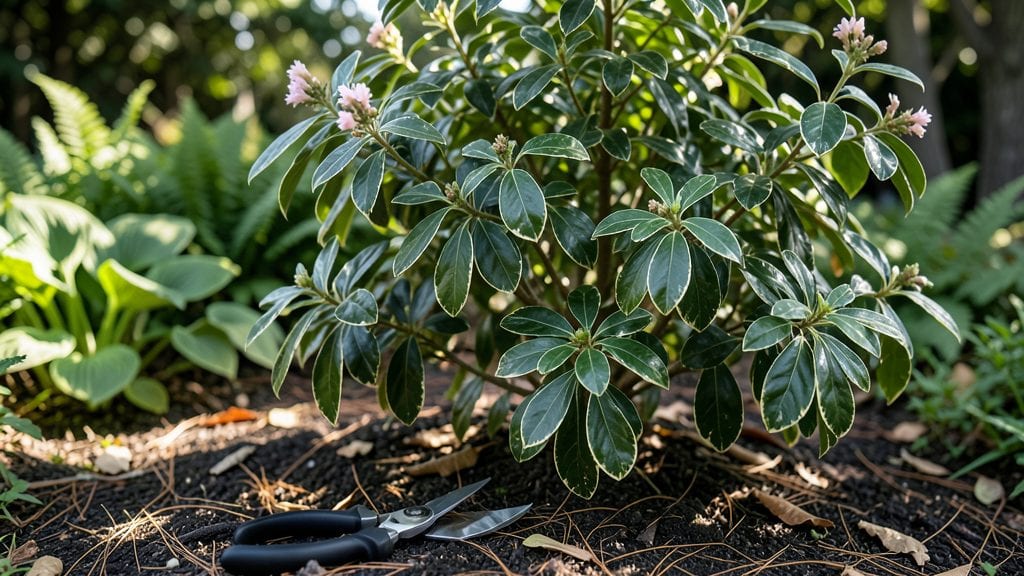
Pruning euonymus plants transforms them from wild shrubs into perfectly shaped garden stars—here’s how to do it right. 🌿 I’ve spent years shaping mine, and the difference between a scraggly mess and a polished, healthy shrub comes down to timing, technique, and a few sharp cuts.
The key isn’t just when you prune, but how you shape the plant to encourage strong growth and vibrant foliage.
Most gardeners prune euonymus in late winter or early spring, but I’ve found that light shaping in summer keeps it looking tidy all year. You’ll need just a few tools: sharp pruning shears, gloves, and maybe a small ladder if your plant is tall.
The goal is to remove dead wood, thin out crowded branches, and shape the plant to match your vision—whether that’s a formal hedge or a loose, natural silhouette.
When done correctly, pruning turns euonymus into a healthy, productive shrub that blooms better and resists pests. You’ll see fresh green growth within weeks, and the plant will fill out more evenly.
The best part? It stays lush and full without requiring constant maintenance. Here’s exactly how to get those clean, defined lines without harming the plant.
Even experienced gardeners make mistakes—like cutting too much at once or pruning at the wrong time. I’ll walk you through the steps to avoid those pitfalls, so your euonymus stays thriving and looks like the centerpiece of your garden. Let’s get started!
📚 In This Guide
- What you need
- Instructions
- Tips and common mistakes
- Wrapping up and next steps
What you need
- ● Pruning shears: Bypass pruners (for clean cuts on smaller stems, 1-2 pairs with sharp, 5-inch blades)
- ● Loppers: For thicker branches (1 pair with 6-8 inch blades and ratcheting or bypass design)
- ● Hand saw: Pruning saw with fine-tooth blade (for stubborn, woody stems)
- ● Gloves: Heavy-duty, cut-resistant gloves (to protect from thorns and sap)
- ● Disinfectant: 70% isopropyl alcohol or rubbing alcohol (to sterilize tools between cuts)
- ○ Pruning sealant: Optional but helpful (for large cuts to prevent disease; choose a water-based, non-toxic option)
- ● Trash bag or bucket: For collecting clippings (1-2 large bags)
- ● Extension pole: With attachable pruners (for high branches)
- ● Ladder: Sturdy, 4-6 foot (if reaching tall euonymus)
- ● String or twine: To mark pruning lines for uniform shaping
- ● Safety glasses: If working near eyes or in dusty conditions
- ● Notebook & pen: To jot down pruning notes (e.g., "pruned in March—next trim in July")
Step-by-Step guide to pruning euonymus for year-round health
Here's how to keep your euonymus thriving with precise cuts that encourage fuller growth.
✂️ Step 1: Prune in Late Winter for Structure
Start your pruning routine in late winter (just before new growth begins) to shape the plant's framework. Euonymus respond best to this timing because they're still dormant but ready to burst with energy. Grab your clean, sharp pruners—dull blades tear stems and invite disease.
Focus on removing dead, crossing, or weak branches first. Cut these back to the main stem or to a healthy outward-facing bud. You'll notice euonymus have a natural tiered shape—let that guide your cuts. Avoid heavy pruning now; just clean up the skeleton. This ensures your plant has energy to support new growth when spring arrives.
🌿 Step 2: Light Spring Pruning for Fullness
Once you see new growth emerge in early spring, do a second round of pruning to encourage bushiness. Look for branches that are growing inward or rubbing against others—these need to go. Cut just above a leaf node (the bump where leaves attach) at a 45-degree angle to prevent water pooling.
Here's the thing—euonymus grow best when you prune 1/3 of the oldest stems each year. This forces new growth from the base and keeps the plant compact. If you see leggy stems, trim them back by half to promote branching. You'll see fuller, denser foliage within 4-6 weeks of this pruning.
☀️ Step 3: Summer Maintenance for Shape
During the growing season, do light pruning to maintain shape and remove any sick, damaged, or overly long branches. Euonymus grow steadily in summer, so check monthly for branches that are growing too long or out of balance. Pinch back new growth by 1/4 to 1/3 to encourage bushier growth.
Watch for pink or red berries forming in some varieties—these indicate the plant is healthy and producing fruit. If berries aren't your goal, remove them to redirect energy into foliage growth. Use your fingers or small pruners to snip just above the berry cluster. This keeps the plant focused on leafy growth rather than fruit production.
⏰ Step 4: Fall Cleanup for Winter Prep
In early fall, do a final pruning to tidy up the plant before winter dormancy. Remove any dead, diseased, or weak branches first. Then, trim back any overly long stems by 1/3 to prevent wind damage during storms. Euonymus are tough, but long, floppy branches can snap in heavy snow or ice.
This is also the time to thin out crowded areas—look for branches growing too close together and remove the weaker one. You'll know you've done well when sunlight can reach the inner stems without obstruction. A well-pruned euonymus enters winter with strong structure, ready to burst with new growth in spring.
Tips & tricks for perfect euonymus pruning
Here's what I've learned after years of shaping euonymus—these small details make all the difference for lush, healthy growth.
Pruner Prep: Sterilize your pruners with rubbing alcohol before each pruning session, even if you're just doing light maintenance. I learned this the hard way after seeing fungal infections spread between cuts. Sharp pruners also make cleaner cuts that heal faster, so take 2 minutes to hone the blades before you start. For larger branches, use bypass pruners—they create smoother cuts that seal better than anvil pruners.
Seasonal Timing Secret: The late winter timing in Step 1 is critical because euonymus are still dormant but ready to respond. If you prune too early, you risk damaging tender new growth. I always check for bud swell—when you see those tiny green buds forming, it's time to hold off. In warmer climates, you might need to adjust to early spring instead of late winter, but never prune when buds are already open.
Visual Growth Guide: After your spring pruning (Step 2), mark the new growth points with a small dab of white paint or a colored ribbon. This helps you track which stems are growing well and which need attention in summer. I use this system to identify leggy stems early—when I see a marked stem growing too fast, I know it's time to pinch back by half to encourage branching. This simple trick has cut my summer maintenance time in half.
Healthy Stem Check: When deciding which branches to remove in Step 4, do the "thumbscrew test"—gently twist a small section of the stem between your fingers. If it feels mushy or separates easily, that branch is dead and should be removed. Healthy stems will resist slightly and snap cleanly. This test helps you identify hidden problems before they become visible, keeping your euonymus in peak condition for winter.
Pro Tips for Euonymus Plant Pruning
- Here's what I've learned after years of shaping euonymus—these small details make all the difference for lush, health...
- Pruner Prep: Sterilize your pruners with rubbing alcohol before each pruning session, even if you're just doing light...
- Seasonal Timing Secret: The late winter timing in Step 1 is critical because euonymus are still dormant but ready to ...
Frequently asked questions
Got questions about pruning your euonymus? You’re not alone!
Whether you're a new plant parent or a seasoned gardener, these frequently asked questions will help you keep your euonymus thriving with confidence. Let’s dive in!
When is the best time to prune euonymus plants?
The ideal time to prune euonymus is late winter or early spring (just before new growth starts) to encourage healthy, vigorous growth. You can also do light pruning in summer to shape the plant, but avoid heavy cuts after mid-summer to prevent stress. Pro tip: If you’re pruning for fall color, wait until after the leaves drop!
How much can I prune my euonymus without harming it?
Euonymus is highly resilient and can handle moderate pruning—up to one-third of its growth in a single session. For shaping, aim for 10-20% of the foliage per year. Over-pruning (removing more than 50%) may stress the plant, so always leave some healthy stems and leaves. Pro tip: Prune gradually over a few years for the best results!
What should I do if my euonymus looks leggy after pruning?
Leggy growth happens when the plant stretches for light. To fix it, prune just above a leaf node (where leaves meet the stem) to encourage bushier growth. Bonus tip: Fertilize lightly with a balanced formula (like 10-10-10) in spring to support new, compact foliage. If the issue persists, your euonymus may need more sunlight!
Can I prune euonymus in fall, or will it affect winter hardiness?
Pruning euonymus in fall is generally safe, but avoid heavy cuts. Since new growth won’t harden off before winter, limit pruning to shaping or removing dead branches. If you must prune for size, do it 6-8 weeks before the first frost to allow the plant to recover. Pro tip: Mulch around the base to protect roots from cold!
What’s the difference between pruning euonymus for shape vs. rejuvenation?
| Shaping Pruning | Rejuvenation Pruning |
|---|---|
| Done year-round (best in spring/summer) to maintain form. | Done in late winter for severely overgrown or neglected plants. |
| Removes selective branches to refine the plant’s outline. | Cuts back 70-80% of the plant to the ground or a few inches above. |
| Encourages gradual, balanced growth. | Stimulates new, vigorous shoots from the base. |
Pro tip: Rejuvenation pruning is drastic—only use it if your euonymus is woody, sparse, or unmanageable!
Wrapping up and next steps
Mastering the art of euonymus plant pruning is your ticket to lush, vibrant foliage year-round! 🌿 Whether you’re shaping for symmetry, encouraging bushier growth, or reviving overgrown branches, the key lies in timing, technique, and a little patience.
With the right tools and a clear plan, your euonymus will thrive—and so will your green thumb confidence.
Ready to take the next step? Grab your pruners, mark your calendar, and start with a small section this weekend. Small, consistent efforts will yield big rewards—happy pruning! 🌟