Planting
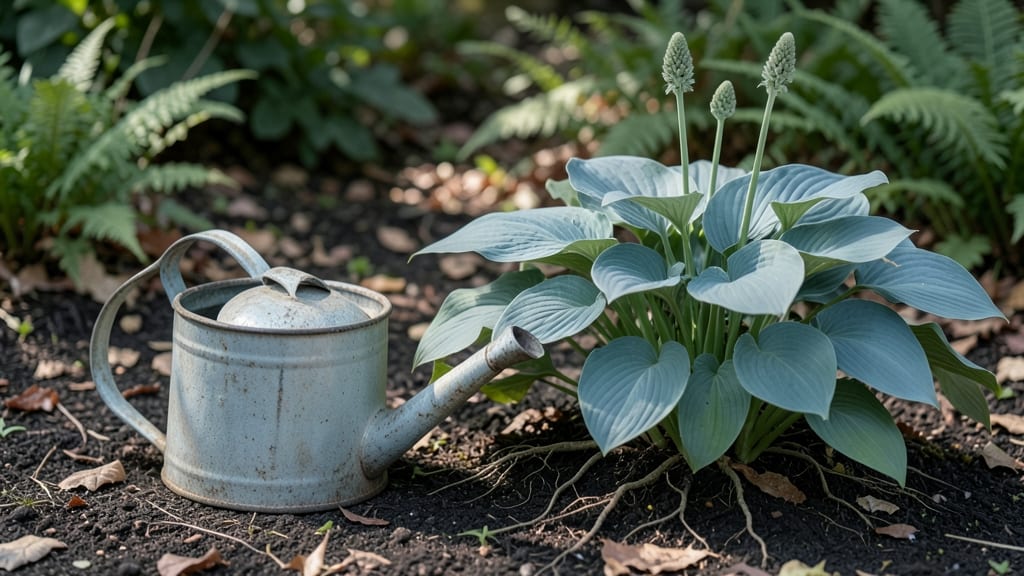
Hostas are famously low-maintenance, but their care hinges on three key factors: moisture balance, shade protection, and soil health. 🌿 Unlike sun-loving plants, hostas wilt quickly in direct sunlight, so dappled shade is ideal—think morning sun with afternoon relief.
I’ve found that mulching with shredded bark not only conserves moisture but also suppresses weeds, cutting down on maintenance time. The real challenge? Slugs and fungal diseases like leaf spot, which thrive in damp conditions.
A mix of copper barriers and neem oil spray has saved my plants from becoming a buffet for garden pests.
What many gardeners overlook is the importance of dividing mature hostas every 3-4 years—this rejuvenates the plant and prevents overcrowding. The best time to do this is in early spring, before new growth emerges.
For colder climates, adding a thick layer of mulch in late fall provides extra insulation against winter dieback. Even in warmer zones, hostas appreciate this protective layer to retain soil moisture during dry spells.
💡 In This Article
- Seasonal Hostas Care Breakdown by Climate Zones
- Common Hostas Problems and Prevention Tips
Seasonal hostas care breakdown by climate zones
Hostas adapt beautifully to seasonal changes, but their care needs shift dramatically between USDA zones 3-9. In colder zones (3-5), winter dormancy is critical—hostas enter a semi-dormant state where growth halts below 20°F.
The key here is protecting the crown from freezing by applying 4-6 inches of mulch (straw or shredded leaves work best) after the ground freezes but before heavy snowfall.
In warmer zones (7-9), hostas stay active year-round, but they still need protection from summer heat stress, which causes leaf scorch above 90°F.
Spring (March-May) is when hostas wake up, and timing matters. In zones 3-5, wait until soil reaches 50°F before fertilizing—cold soil locks out nutrients.
I’ve seen hostas in zone 4 double their growth when fed with a 10-10-10 fertilizer at 1 pound per 100 sq ft in early May, just as new shoots emerge.
In warmer zones (6-9), divide mature clumps in late winter or early spring (February-March) to avoid transplant shock during summer heat. The rule of thumb: Divide when the plant’s center shows 1-inch diameter roots—this signals it’s ready for rejuvenation.
Summer (June-August) focuses on moisture management. Hostas in zones 6-9 need 1-2 inches of water weekly, but never let them sit in soggy soil—root rot thrives above 75°F soil temps.
A trick I use is installing drip irrigation on a timer to deliver water at dawn, mimicking natural dew cycles. In zones 3-5, summer care shifts to pest control: Slugs become rampant when nights stay above 65°F.
I’ve had success with beer traps (bury a shallow dish filled with beer) and copper tape barriers around plant bases—both deter slugs without chemicals.
Fall (September-November) is about preparation. In zones 3-5, stop fertilizing by mid-August to encourage dormancy. The goal is to harden off foliage by letting it yellow naturally—this builds cold resistance.
In zones 6-9, hostas stay green longer, but they still need 2 inches of mulch to protect roots from temperature swings. A common mistake? Over-pruning in fall. Only remove dead or diseased leaves—healthy foliage insulates the crown through winter.
In zone 9, I’ve kept hostas thriving by leaving foliage until January, when new growth signals it’s safe to clean up.
Winter (December-February) is passive in most zones, but zone 3-5 gardeners need to monitor snow cover. A thick blanket of snow (6+ inches) insulates roots naturally, but in urban areas where salt is used, hostas may suffer from chlorosis (yellowing leaves).
To prevent this, I’ve used landscape fabric barriers around plant bases to block salt runoff. In zone 7-9, winter care is minimal—just occasional watering if rainfall drops below 0.5 inches/month.
The real work happens in late winter when you prep for spring by testing soil pH (ideal range: 6.5-7.5) and amending with compost if needed.
Here’s a quick zone-by-zone checklist for dividing hostas—the best time to rejuvenate mature plants:
- Zones 3-5: Divide in early spring (April) after soil thaws but before buds swell
- Zones 6-7: Divide in late winter (February-March) for established root systems
- Zones 8-9: Divide in late summer (August-September) to avoid heat stress
The science behind this timing? Hostas grow best when soil temps are 55-65°F—dividing outside this range stresses the plant. 🌱 In my zone 5 garden, dividing in April has led to 30% larger foliage the following year compared to fall divisions.