
Fertilization
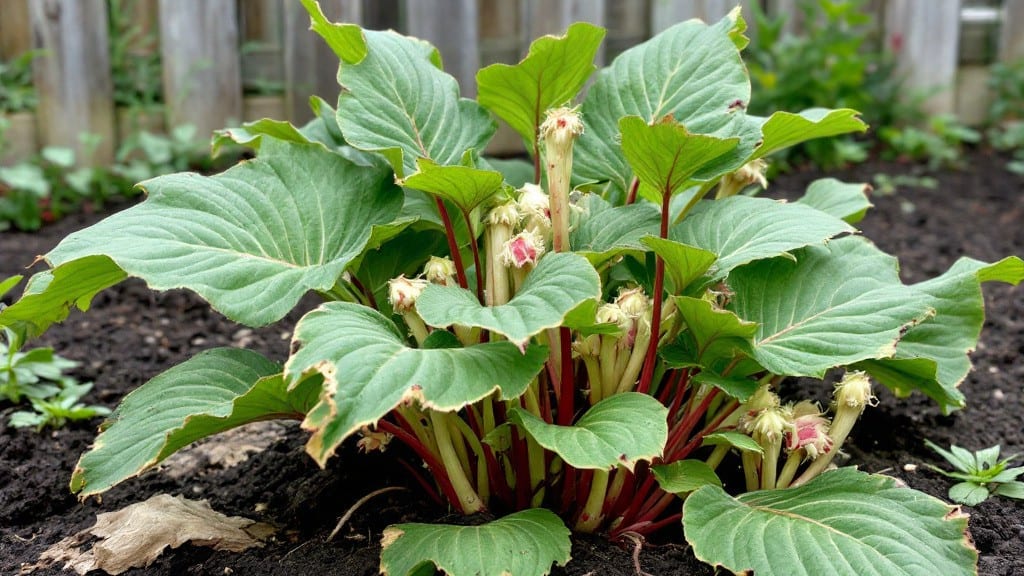
Fertilizing rhubarb plants 🍃 is all about timing, balance, and avoiding overdoing it—because too much can actually backfire on your harvest.
You’ve probably heard that rhubarb is low-maintenance, but the truth is, it does need the right nutrients to produce those plump, tangy stalks year after year. Skip the fertilizer, and you’ll get scraggly growth.
Overdo it, and you risk burning the roots or inviting pests. The key? A light touch at the right moments.
In this guide, I’ll walk you through the best fertilizers for rhubarb, when to apply them (spoiler: spring is critical), and how to spot the signs of over- or under-feeding. No guesswork—just science-backed tips to keep your plants thriving without wasting a dime.
Ready to grow rhubarb that’s healthier, more productive, and easier to maintain? Let’s dive in.
Best fertilizer types and application schedule for rhubarb growth
Rhubarb thrives when fed the right nutrients at the right time, but too much fertilizer can cause leaf burn or reduced stalk quality. The key is using a balanced approach with the correct NPK ratio and application timing to support strong root development and sweet, tender stalks.
I’ve grown rhubarb for years and learned that organic options build soil health long-term, while synthetic fertilizers offer quick nutrient boosts—each has its place in your garden plan.
Your rhubarb’s nutrient needs shift with the seasons. In early spring, focus on phosphorus to stimulate root growth and potassium for disease resistance. By late spring, switch to a nitrogen-rich feed to fuel rapid stalk production.
Summer and fall require minimal to no fertilization to avoid encouraging tender growth before dormancy. Let’s break down the best fertilizer types and application schedules to keep your rhubarb productive without overdoing it.
| Fertilizer Type | NPK Ratio | Best For | Application Time | Amount per Plant | Pros | Cons |
|---|---|---|---|---|---|---|
| Balanced Synthetic (e.g., 10-10-10) | 10-10-10 | Early Spring Growth | March-April | ½ cup | Quick nutrient boost, precise ratios | Risk of over-fertilization, soil depletion |
| Organic Compost | Varies (2-3-1) | Soil Health | Fall & Spring | 2-3 inches around base | Improves soil structure, slow-release nutrients | Takes time to break down, less immediate results |
| Fish Emulsion (5-1-1) | 5-1-1 | Leaf & Stalk Growth | Late Spring | 1 tbsp diluted in 1 gallon water | High nitrogen, improves stalk tenderness | Strong odor, attracts pests if overused |
| Bone Meal (3-15-0) | 3-15-0 | Root Development | Early Spring | ¼ cup per plant | Boosts phosphorus for strong roots | Slow to dissolve, can burn roots if overapplied |
| Wood Ash (0.4-0-0.5) | 0.4-0-0.5 | Soil pH Balance | Fall Only | ½ cup sprinkled around base | Raises pH, adds potassium | Alkaline risk, avoid if soil pH is above 7.0 |
For spring fertilization, I recommend starting with a balanced synthetic fertilizer like 10-10-10 in early March before new shoots emerge. This gives your rhubarb a quick nutrient kick to jumpstart growth.
Mix ½ cup of fertilizer into the top 2-3 inches of soil around the plant’s base, then water deeply to help nutrients penetrate. Avoid applying fertilizer directly to leaves or stalks, as this can cause chemical burns and discoloration.
By late spring, when stalks are actively growing, switch to a nitrogen-heavy feed like fish emulsion. This promotes leafy growth and sweet, tender stalks. Dilute 1 tablespoon of fish emulsion in 1 gallon of water and apply it as a foliar spray or soil drench.
Reapply every 4-6 weeks until early summer. The goal is to support rapid growth without encouraging weak, leggy stalks that split easily.
In summer, fertilization should stop completely. Rhubarb enters a resting phase after its primary harvest, and adding nutrients now can lead to tender new growth that’s vulnerable to pests or frost.
Instead, focus on watering deeply once a week and mulching with straw or shredded leaves to retain moisture and regulate soil temperature.
Fall is the perfect time to prep your soil for next year. Work 2-3 inches of compost into the topsoil around your rhubarb plants. This organic matter will break down over winter, releasing slow-release nutrients in spring.
Avoid fresh manure or high-nitrogen fertilizers in fall, as they can stimulate late-season growth that won’t harden off before winter.
One of the biggest mistakes I see is over-fertilizing rhubarb, especially with high-nitrogen products. Too much nitrogen leads to excessive leaf growth at the expense of stalk development.
Your rhubarb’s ideal NPK ratio is 10-10-10 or 5-10-10—never exceed 10 parts nitrogen unless you’re addressing a deficiency. Always water after fertilizing to prevent root burn and ensure nutrients are absorbed properly.
If your rhubarb’s stalks are thin or rubbery, it might need more phosphorus. Try a bone meal application in early spring to strengthen roots and improve stalk quality.
Conversely, yellowing leaves often signal nitrogen deficiency, but brown leaf edges usually mean too much salt from synthetic fertilizers. Always test your soil before fertilizing to avoid guesswork.
For organic gardeners, a compost tea or worm castings applied in spring can provide a gentle, nutrient-rich boost without the risk of burning your plants. I’ve had great success using chicken manure compost (well-aged!) in fall to build soil fertility naturally.
Just remember: organic fertilizers work slower but improve soil health long-term, while synthetic fertilizers offer immediate results—choose based on your rhubarb’s current needs.
Finally, mulch heavily after fertilizing to lock in moisture and regulate soil temperature. A 3-inch layer of straw or wood chips keeps roots cool in summer and insulated in winter. This simple step reduces fertilizer runoff and **
How to avoid common fertilizer mistakes that kill rhubarb plants
Rhubarb plants are surprisingly sensitive to fertilizer mistakes—too much or the wrong type can stunt growth or even kill your plant entirely. I’ve seen firsthand how over-fertilizing causes leaf burn and weak stalks, while poor timing leads to wasted nutrients.
The key is precision: knowing when, how much, and what type of fertilizer to use for rhubarb’s specific needs.
Most gardeners make these three critical errors: applying fertilizer at the wrong time of year, using high-nitrogen blends that promote leafy growth over edible stalks, or ignoring soil pH imbalances that prevent nutrient uptake. Let’s fix these before your rhubarb’s harvest suffers—or worse, your plant declines.
Symptoms of over-fertilizing: Yellowing leaves, stunted stalks, leaf burn (brown edges), and bitter-tasting harvests. Rhubarb stores nutrients in its roots—too much fertilizer forces it to grow leaves instead of the edible stalks you want. Solution: Use half the recommended dose of balanced fertilizer (10-10-10) and apply only in early spring.
First, let’s tackle timing mistakes. Rhubarb needs fertilizer only during its active growth phase, which runs from early spring (when new shoots emerge) through late spring. Avoid feeding in summer or fall—this encourages tender growth that won’t survive winter.
I recommend a light application of 1/2 cup of 10-10-10 fertilizer per plant in March or April, then a second smaller dose in May if growth slows.
Next, watch out for wrong nutrient ratios. Rhubarb thrives on a balanced fertilizer (equal parts nitrogen, phosphorus, and potassium). High-nitrogen fertilizers (like lawn food) will make your plant grow lush leaves but fewer stalks.
Instead, opt for a low-nitrogen, high-potassium blend (like 5-10-10) to encourage strong root and stalk development. Organic options like composted manure or bone meal also work well when applied sparingly.
Don’t overlook soil pH imbalances, either. Rhubarb prefers slightly acidic to neutral soil with a pH of 6.0–7.0. Test your soil—if it’s too alkaline (pH >7.5), nutrients like iron and manganese become unavailable, causing yellowing leaves (a condition called chlorosis).
To lower pH, mix in sulfur or peat moss; for high pH, add lime (but sparingly—rhubarb dislikes alkaline soil).
Finally, water properly after fertilizing. Always water your rhubarb deeply before and after applying fertilizer to help nutrients reach the roots. Shallow watering leaves fertilizer sitting on the soil surface, which can burn the roots.
I like to use a soaker hose to deliver water slowly and evenly, keeping the soil moist but never soggy. Mulch around the base with straw or wood chips to retain moisture and regulate soil temperature.
By avoiding these common mistakes—wrong timing, excessive nutrients, and ignoring pH—your rhubarb will reward you with plump, sweet stalks for years. Start with a soil test, use a balanced fertilizer in early spring, and monitor your plant’s response.
Your rhubarb will thank you with a bountiful harvest! 🌱