How To
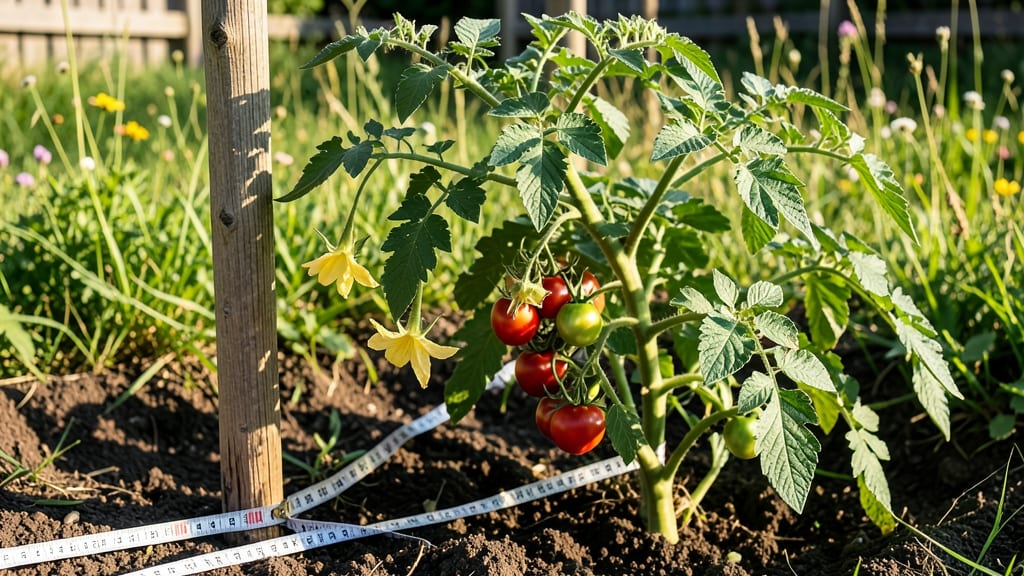
Tomato plants grow anywhere from 1 foot to over 10 feet tall, depending on the variety and how you support them 🍅—and knowing the difference saves you from a garden full of sprawling vines or stunted yields.
Picture this: one plant hugging the ground like a ground cover, another climbing your fence like a jungle gym. That’s the reality of tomatoes, where dwarf varieties stay neat in pots while indeterminate giants keep growing until frost.
Without the right setup, you could end up with tangled messes or missed harvests.
Height isn’t just about space—it affects how you stake, prune, and even what varieties you pick. A 3-foot cherry tomato thrives in a hanging basket, while a 6-foot beefsteak needs a sturdy trellis to avoid breaking under the weight of its fruit.
In this guide, I’ll break down the height ranges by variety, show you how to support tall plants without the hassle, and share the best compact options for small gardens—so you can choose what works for your space and style.


Tomato plant height ranges by variety: determinate vs indeterminate explained
Tomato plants come in two main growth types: determinate and indeterminate, each with distinct height ranges and care needs.
Determinate varieties grow to a fixed height—typically 3 to 5 feet—and produce fruit all at once, while indeterminate types keep growing until frost, often reaching 6 feet or taller. Understanding these differences helps you plan spacing, support structures, and even harvest timing.
Your garden layout depends entirely on the variety you choose. Determinate tomatoes are ideal for small spaces or container gardening, while indeterminate types thrive when given vertical support.
For example, a Roma tomato (determinate) stays under 4 feet, while a Sungold cherry tomato (indeterminate) can climb to 8 feet without pruning. Let’s break down the key differences so you can pick the perfect fit for your garden.
| Growth Type | Height Range | Fruit Production | Best For | Support Needed |
|---|---|---|---|---|
| Determinate | 1–5 feet | All at once (1–2 harvests) | Containers, small gardens | None or low cages |
| Indeterminate | 6–10+ feet | Continuous (all season) | Vertical gardens, trellises | Trellises or stakes |
Determinate tomatoes like Roma or Celebrity are perfect for gardeners with limited space. They grow in a bushy shape and produce fruit in just 1–2 weeks, making them great for canning or sauces.
Since they don’t need support, they’re also low-maintenance. However, their single harvest means you’ll need to replant or buy new seeds the following year if you want fresh tomatoes.
On the other hand, indeterminate tomatoes like Sungold or Brandywine grow continuously, producing fruit until frost. These vining plants can reach 8–10 feet if left unchecked, but they’re well worth the extra care.
With proper trellising and pruning, you’ll enjoy a steady supply of tomatoes all summer long. They’re ideal for gardeners who love fresh tomatoes straight from the vine and don’t mind the extra upkeep.
Spacing is another critical factor influenced by height. Determinate varieties need 18–24 inches between plants, while indeterminate types require 24–36 inches to accommodate their sprawling vines. If you’re growing in containers, choose dwarf indeterminate varieties like Tiny Tim, which max out at 2–3 feet but still produce continuously.
This makes them perfect for balconies or small patios.
Yield also varies by growth type. Determinate tomatoes produce a heavy crop all at once, which is great for preserving but can be overwhelming if you’re not prepared. Indeterminate varieties, however, offer a steady trickle of fruit over weeks or even months.
If you love fresh salads all season, indeterminate tomatoes are the way to go. Just be prepared to harvest frequently to avoid overripe fruit on the vine.
Support structures play a huge role in managing height. Determinate plants rarely need staking, but a low cage or hoop can help keep fruit off the ground. For indeterminate varieties, invest in a strong trellis or stake—especially if you live in a windy area.
Without support, these vines can flop, leading to disease and poor fruit development. I’ve seen 6-foot indeterminate plants collapse under their own weight if not properly secured!
Pruning also affects height and yield. With determinate tomatoes, minimal pruning is needed—just remove suckers (side shoots) to improve airflow. For indeterminate types, regular pruning encourages stronger stems and larger fruit.
I prune mine weekly, cutting back side shoots and lower leaves to direct energy upward. This keeps the plant compact and reduces disease risk from wet foliage.
If you’re new to gardening, start with a determinate variety like Better Boy or Early Girl. They’re forgiving and produce a reliable harvest with minimal effort. Once you’re comfortable, experiment with indeterminate types like Cherokee Purple or Black Krim for a more rewarding (but hands-on) experience.
Remember, the right support and spacing can turn even a 6-foot giant into a manageable, productive plant.
No matter which type you choose, always check the seed packet for mature height and days to maturity. This info helps you plan your garden layout and harvest schedule. And if you’re short on space, don’t overlook dwarf or patio varieties—they pack a punch in small areas!
With the right variety, your tomato plants will thrive whether they’re sprawling or sky-high.
How to support tall tomato plants: trellises, cages, and pruning tips
Indeterminate tomato varieties can grow 6 feet or taller if left unchecked, creating a jungle of vines that sprawl across your garden. Without proper support, these heavy plants can break stems or develop diseases from poor airflow.
The key to a thriving, productive plant lies in choosing the right support system and pruning strategy—both of which directly impact your harvest's size and quality. Whether you're working with a backyard plot or a balcony container, the right approach will transform a potential mess into a vertical feast.
Supporting tall tomato plants isn't just about aesthetics—it's about maximizing fruit production and preventing common issues like blossom end rot or cracked tomatoes. A well-supported plant directs its energy into growing healthier fruit rather than excessive foliage.
Plus, trellises and cages make harvesting easier, reducing the risk of stem damage and keeping your plants disease-free. For urban gardeners with limited space, vertical growing is a game-changer, allowing you to grow more in less area.
Here’s how to support your tall tomato plants effectively, from choosing the right structure to pruning like a pro:
Step-by-Step Guide to Supporting Tall Tomatoes
- Step 1 Choose the right support: Indeterminate varieties need strong vertical support. Use trellises (DIY or store-bought), stakes (3–4 feet tall), or cages (5–6 feet tall). For containers, opt for tomato towers or heavy-duty cages.
- Step 2 Install support early: Place stakes or cages within 24 hours of transplanting to avoid disturbing roots later. Drive stakes 6 inches deep into the soil for stability. For trellises, use soft ties (like old T-shirts or plant ties) to secure vines gently.
- Step 3 Prune for airflow: Remove suckers (the small shoots in the leaf axils) regularly to reduce foliage density. Focus on keeping the lower leaves off the ground to prevent soil-borne diseases. Aim for a balanced plant with 3–4 main stems for indeterminate varieties.
- Step 4 Train vines upward: Gently weave vines through trellis openings or tie them to stakes every 12–18 inches as they grow. Avoid tight knots that can damage stems. For cages, simply guide vines upward and let them climb naturally.
- Step 5 Monitor and adjust: Check supports weekly for stability. Reinforce stakes or trellises if vines become top-heavy with fruit. In high-wind areas, add extra ties or a second stake for support.
One common mistake gardeners make is over-pruning to control height, which can reduce fruit production. Instead, focus on removing only suckers and dead or diseased leaves. Another pitfall is using metal cages that can rust and damage vines—opt for plastic or wooden alternatives instead.
For urban gardeners, DIY trellises made from bamboo stakes or repurposed materials work beautifully and save space.
Pruning isn’t just about height control—it’s about directing energy to where it matters most: your tomatoes. By removing excess foliage, you improve air circulation, which reduces humidity around the plant and prevents fungal diseases like early blight.
Plus, a well-pruned plant is easier to harvest from, saving your back from bending over repeatedly. For indeterminate varieties, aim to keep the plant open and airy while still supporting its vertical growth habit.
If you’re growing in containers, choose a large enough pot (at least 5 gallons) and use a tomato cage or trellis designed for small spaces. Avoid overcrowding—even in containers, give your plant enough room to spread its roots and vines.
With the right support and pruning, you’ll enjoy a bountiful harvest without the messy sprawl of unsupported plants.