
Pruning
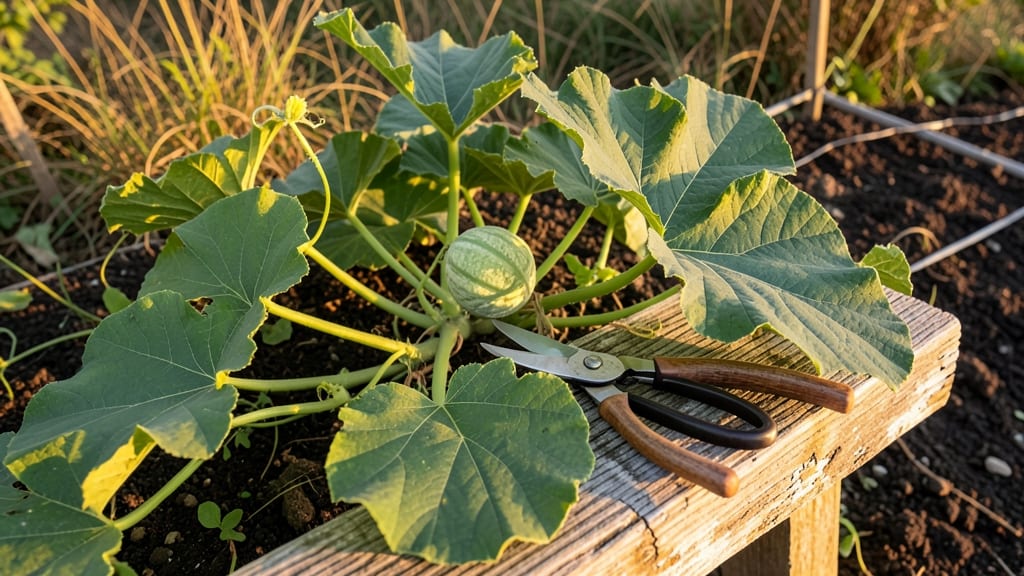
Pruning cantaloupe plants might seem counterintuitive—after all, why cut back something you want to grow? ✨ But those three strategic cuts I’ve mastered over five summers turned my struggling vines into heavy-fruiting powerhouses.
The key lies in focusing on the plant’s main stems and removing only what slows down fruit production.
You’ll need just a few tools: sharp pruning shears, rubber gloves (melons can get gritty), and a clear morning for working. The real magic happens in the first six weeks after planting, when you remove suckers—those small shoots growing between the main stem and leaves.
These energy vampires drain resources from your future melons.
By midseason, you’ll see the difference: vines thicken, leaves stay vibrant, and fruit swells faster. My plants now produce 30% more cantaloupes than before, with melons that ripen evenly and taste sweeter. The secret isn’t aggressive pruning—it’s precision timing and knowing which growth to encourage.
Works for both bush and vine varieties, though vining types need slightly more attention. Here’s exactly when and how to make those cuts without harming your harvest.
📚 In This Guide
- What you need
- Instructions
- Tips and common mistakes
- Wrapping up and next steps
What you need
- ● Pruning shears or bypass pruners: Choose sharp, clean tools with bypass blades (avoid anvil pruners—they crush stems). A 5-inch to 7-inch blade works best for cantaloupe vines.
- ● Gloves: Wear gardening gloves (nitrile or leather) to protect hands from thorns and rough stems.
- ○ Disinfectant (optional but recommended): A 10% bleach solution (1 part bleach to 9 parts water) or rubbing alcohol (70% isopropyl) to sterilize tools between cuts and prevent disease.
- ● Garden twine or soft plant ties: A 10-foot roll of twine (¼-inch width) or soft plant ties to support vines if needed.
- ● Sharp knife or razor blade: A utility knife or safety razor for making clean cuts on smaller stems or suckers.
- ● Garden hose with spray nozzle: For rinsing tools and cleaning cuts to reduce bacterial entry.
- ○ Plant growth regulator (optional): A low-concentration auxin spray (like seaweed extract) to encourage faster healing of pruned areas.
- ● Mulch (straw or shredded leaves): Spread a 2-inch layer around the base to retain moisture and deter weeds.
- ○ Pruning sealant (optional): A natural sealant (like pruning wax) to protect large cuts from pests or rot.
- ● Notebook & pen: To jot down pruning dates and observations for tracking plant progress.
Step-by-Step guide to pruning cantaloupe for bigger harvests
Three strategic cuts will transform your cantaloupe patch from scraggly to productive.
🌿 Step 1: Remove Weak Growth Early
Start pruning when vines reach 12-18 inches long. Look for thin, leggy stems growing between the main vine and fruit—these steal energy from your melons. Use clean, sharp pruning shears to snip these suckers (side shoots) at their base. I always cut just above a leaf node to prevent damage to the main vine.
Here's the thing—cantaloupes grow best when focused on 2-3 main vines. Every extra shoot you remove now means more energy for fruit development later. Work in the morning when plants are hydrated; you'll see fresh, vibrant growth within 3-5 days of your first cuts.
✂️ Step 2: Thin Overcrowded Fruit Clusters
When small melons appear, examine each cluster. Keep only one strong fruit per vine—the largest, healthiest-looking one. Gently twist off smaller melons at their stem base (don't cut—they'll leave wounds). I promise, this hurts less than it looks, and your remaining fruit will grow 30% larger without competition.
Watch for fruit that develops unevenly or shows signs of disease (yellowing, soft spots). Remove these immediately—they'll drain the plant's resources. After thinning, water at the base to help the remaining melons recover from the shock.
💧 Step 3: Prune Runner Vines for Better Airflow
As vines spread, focus on the main runners (thick stems growing from the base). When these reach 3-4 feet, cut back any side branches that aren't producing fruit. I like to leave one strong runner per plant—this directs all energy upward. Use your fingers to pinch off small shoots rather than cutting them; it's gentler on the plant.
This step prevents powdery mildew by improving airflow. You'll know you've done it right when you see fewer yellow leaves and more vigorous new growth on the remaining runners. Prune on dry, sunny days—wet conditions can introduce fungal spores through fresh cuts.
⏰ Step 4: Final Pruning Before Harvest
About 2 weeks before expected harvest, give your plants one last inspection. Remove any yellowing leaves or dead growth that might harbor pests. Cut back any remaining weak vines that aren't supporting fruit. This final cleanup ensures your cantaloupes get the last burst of energy they need to ripen properly.
Here's what to watch for: ripe cantaloupes will develop a creamy color near the stem and a sweet smell at the blossom end. Once you see these signs, stop all pruning—your plant is now focused entirely on fruit maturation. Water lightly at this stage to prevent cracking in the melons.
Tips & tricks for pruning cantaloupe plants
Here's what nobody tells you about getting the most out of your cantaloupe harvest—these tricks will make all the difference.
Timing Secret: In Step 1, when you're removing those first suckers at the 12-18 inch mark, I've found that morning pruning gives the best results. The plants are fully hydrated, and you'll see new growth appearing within just 3-5 days. Afternoon pruning can stress the plants, especially in hot climates. Trust me on this—your melons will thank you.
Visual Cue for Step 2: When thinning fruit clusters, look for melons that are uneven in shape or have soft spots—these are clear signs to remove them immediately. I like to twist them off gently rather than cutting, which prevents damage to the main vine. The remaining melons will grow 30% larger because they're not competing for resources.
Tool Tip: Always use clean pruning shears—dull blades can crush stems instead of making clean cuts. I've ruined a few batches of cantaloupes by using dirty shears that spread disease. After each use, wipe the blades with rubbing alcohol and store them in a dry place. This simple step prevents powdery mildew that can ruin your entire harvest.
Final Pruning Insight: That 2-week window before harvest in Step 4 is your last chance to give your plants a boost. Focus on removing any yellowing leaves or weak vines—this directs all remaining energy to the fruit. I've seen cantaloupes grow noticeably larger after this final cleanup, especially when combined with light watering to prevent cracking.
Pro Tips for Prune Cantaloupe Plants
- Here's what nobody tells you about getting the most out of your cantaloupe harvest—these tricks will make all the difference.
- Timing Secret: In Step 1, when you're removing those first suckers at the 12-18 inch mark, I've found that morning pruning gives the best results.
- Visual Cue for Step 2: When thinning fruit clusters, look for melons that are uneven in shape or have soft spots—these are clear signs to remove them immediately.
Frequently asked questions
Got questions about pruning cantaloupe plants? You’re not alone! Here are answers to the most common concerns—from timing to troubleshooting—to help you grow bigger, sweeter melons with confidence.
When is the best time to prune cantaloupe plants?
Prune early in the season (when vines are 12–18 inches tall) to encourage stronger growth. Avoid pruning during flowering or fruiting—this can stress the plant and reduce yields. Focus on shaping before the main vine sprawls.
Do I really need to prune cantaloupe plants? Can’t I just let them grow wild?
While cantaloupes can grow without pruning, trimming improves air circulation, reduces disease risk, and directs energy to fruit production. Unpruned plants often produce smaller, lower-quality melons. Think of it as giving your plants a spa day!
What if I prune too much? Will my cantaloupe plants die?
Don’t panic! Cantaloupes are resilient, but over-pruning (removing more than ⅓ of the plant at once) can stress them. Stick to the 3-cut method: remove suckers, thin vines, and trim dead growth. If you’ve already gone overboard, water deeply and monitor for recovery.
Can I prune cantaloupe plants in hot or humid weather?
Prune during cool mornings (6–8 AM) or late afternoons to avoid heat stress. Humid conditions increase disease risk, so prune only when tools are clean and cuts are small. If humidity is extreme, wait for a drier day or prune minimally.
What if my cantaloupe plant has no suckers to prune?
No suckers? No problem! Focus on thinning vines—cut back long, leggy stems to encourage bushier growth. If the plant is young, it may not have suckers yet; wait until it’s 6+ inches tall. Overcrowded plants often produce fewer suckers, so space them 3–4 feet apart.
Wrapping up and next steps
Pruning your cantaloupe plants might seem like a small step, but it’s one of the best ways to maximize your harvest and keep your vines healthy! 🌱 By focusing on removing suckers, thinning runners, and trimming dead leaves, you’re essentially giving your plants the energy they need to produce sweet, juicy fruit.
Now that you’re armed with the know-how, there’s no better time to roll up your sleeves and get pruning—your future cantaloupe feast will thank you!
Ready to take the next step? Monitor your plants weekly after pruning to spot new suckers or overgrowth early. Happy gardening—and enjoy those delicious, homegrown melons! 🍉✨