Container Gardens
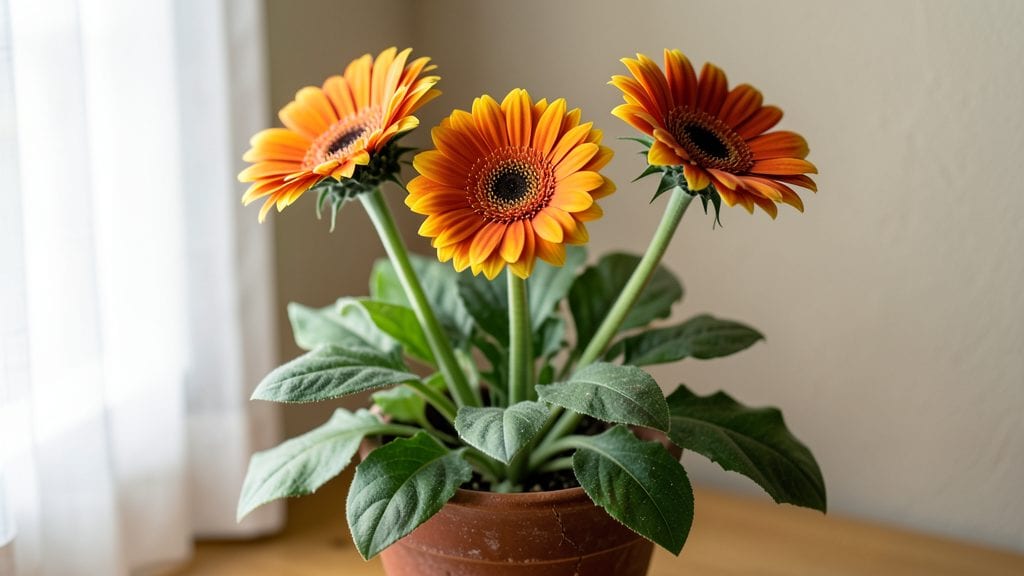
Growing a daisy indoor plant is easier than you think—these cheerful blooms can thrive year-round with the right setup, even if your space lacks a sunroom.
Brighten up your home with vibrant daisies that thrive indoors—no greenhouse required! Discover sun-loving varieties like the Gerbera Daisy 🌼 that defy seasonal limits and keep blooming year-round, even in low-light spaces.
Most people assume daisies are strictly outdoor plants, but with bright indirect light and a few simple care tweaks, you can enjoy their cheerful faces indoors all fall and beyond.
In this guide, I’ll walk you through selecting the best varieties, mastering light and watering routines, and troubleshooting common indoor challenges so your daisies stay as happy as they look.


Best daisy varieties for indoor growing and year-round blooms
Indoor daisies bring sunshine and cheer to your home, but not all varieties thrive inside. The key is selecting sun-loving daisies with compact growth habits and adaptable light needs.
My top picks—Gerbera daisies, African daisies, and miniature Shasta daisies—offer vibrant blooms and year-round color with the right care. These varieties defy seasonal limits, making them perfect for low-light apartments or sun-drenched sunrooms.
What sets these daisies apart? Their bloom cycles and light tolerance make them ideal for indoor spaces. Gerbera daisies, for example, burst with bold colors and bloom continuously with proper light, while African daisies boast long-lasting flowers that last weeks indoors.
Even Shasta daisies, typically outdoor plants, have dwarf varieties perfect for indoor containers. Let’s dive into their unique traits and care requirements.
| Variety | Light Needs | Bloom Cycle | Height | Care Level |
|---|---|---|---|---|
| Gerbera Daisy | Bright indirect light (4-6 hrs) | Continuous with proper care | 6-12 inches | Moderate (needs consistent light) |
| African Daisy (Osteospermum) | Bright indirect to direct light | Year-round with supplemental light | 12-18 inches | Easy (drought-tolerant) |
| Miniature Shasta Daisy | Bright indirect light (6+ hrs) | Seasonal (spring-fall) | 12-18 inches | Moderate (needs pruning) |
| Chrysanthemum Daisy | Indirect light (3-4 hrs) | Fall-winter blooms | 12-24 inches | Easy (low-maintenance) |
Gerbera daisies steal the show with their vibrant colors and long stems, making them a favorite for indoor arrangements. They thrive in bright indirect light and reward you with weeks of continuous blooms if you keep the soil lightly moist.
My trick? Place them near an east-facing window to avoid harsh afternoon sun, which can scorch their petals. For year-round blooms, supplement with a grow light during winter months when natural light fades.
African daisies, or Osteospermum, are the low-maintenance champions of indoor daisies. Their drought-tolerant nature makes them perfect for busy gardeners, and their long-lasting flowers add a pop of color for weeks.
Unlike Gerberas, they handle direct sunlight better, making them ideal for south-facing windows. Just ensure their well-draining soil prevents root rot—a common issue with indoor plants.
If you love the classic Shasta daisy look but want an indoor-friendly version, opt for miniature varieties. These compact beauties bloom from spring to fall and adapt well to indoor containers.
The trade-off? They require more light (6+ hours daily) and regular pruning to encourage bushier growth. I’ve found that rotating their pots weekly ensures even light exposure and prevents lopsided growth.
Don’t overlook Chrysanthemum daisies for fall and winter color. These hardy bloomers thrive in indirect light and produce cheerful flowers when other plants rest. They’re my go-to for holiday decor, especially in north-facing rooms where light is limited. Their low-care requirements make them ideal for beginners.
For year-round success, pair your daisies with humidity trays or a pebble tray to combat dry indoor air. Mist the leaves weekly to mimic outdoor conditions, but avoid soggy soil—a common killer of indoor daisies.
I’ve also noticed that well-draining pots with drainage holes prevent root rot, so never skip this step when repotting.
Ready to transform your space? Start with one variety that matches your light conditions. Gerberas for bright rooms, African daisies for low-maintenance care, or Shasta miniatures for classic charm. With the right indoor daisy variety, you’ll enjoy year-round blooms that brighten every day.
How to create the perfect indoor daisy care routine for non-stop flowers
Indoor daisies like Gerbera or Shasta varieties can bloom continuously with the right care routine. The key lies in mimicking their outdoor preferences—bright light, well-draining soil, and a consistent watering schedule.
Unlike outdoor daisies, indoor plants face challenges like low humidity and limited airflow, but with adjustments, you can keep those cheerful blooms coming year-round.
Start by selecting a 6-inch pot with drainage holes to prevent root rot, a common issue for indoor daisies. Use a lightweight potting mix blended with perlite or sand to improve aeration.
This combination ensures excess water drains quickly while retaining enough moisture for your plant’s roots. Place your daisy near an east-facing window where it can receive 4-6 hours of indirect sunlight daily.
⚠️ Avoid These Common Mistakes with Indoor Daisies
- Overwatering: Daisies wilt quickly if roots sit in soggy soil. Check soil moisture by sticking your finger 1 inch deep—water only if dry.
- Direct Sunlight: Harsh midday sun burns delicate petals. Use sheer curtains to diffuse light if needed.
- Poor Airflow: Stagnant air encourages pests like spider mites. Place a small fan nearby for gentle circulation.
Skipping these steps can lead to yellowing leaves, dropped buds, or stunted growth.
Water your indoor daisy when the top 1 inch of soil feels dry to the touch. During spring and summer, this typically means watering every 5-7 days, while winter months may require watering only every 2 weeks.
Always water at the soil level to avoid wetting the foliage, which can cause fungal issues. After watering, empty the saucer to prevent salt buildup from tap water.
Feed your daisy with a balanced fertilizer (like 10-10-10) every 4-6 weeks during the growing season (spring and fall). In winter, reduce feeding to once every 8 weeks or skip entirely if your plant shows signs of dormancy.
For extra blooms, add a phosphorus-rich fertilizer (like 5-10-5) during budding stages to encourage more flowers.
To troubleshoot yellowing leaves, first check for overwatering or nutrient deficiencies. If leaves turn yellow and crispy, it’s often a sign of underwatering or low humidity.
Increase humidity by placing the pot on a tray of pebbles filled with water or misting the leaves lightly in the morning. For sparse flowers, ensure your daisy gets enough light and prune spent blooms to redirect energy to new growth.
Rotate your daisy quarterly to ensure even light exposure, preventing lopsided growth. Deadhead faded blooms regularly to encourage more flowers and keep your plant looking tidy. With these adjustments, your indoor daisy will reward you with non-stop blooms and vibrant color all year long. 🌼