Planting
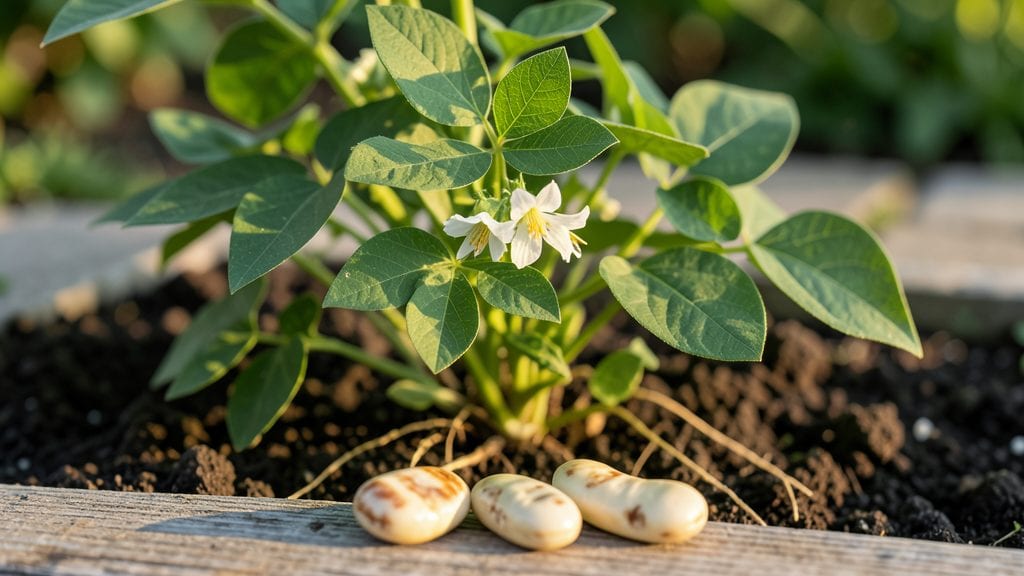
Planting beans at the right depth 🌱 is the first step to a bountiful harvest—too shallow and they won’t germinate, too deep and they’ll rot before sprouting.
Struggling to get your bean seeds to sprout? The secret often lies just beneath the soil—planting them at the wrong depth can mean the difference between a thriving harvest and wasted seeds. Whether you’re growing bush beans or pole varieties, getting this step right ensures strong roots and healthy plants.
Most gardeners overthink it, but the answer is simple: 1 to 2 inches deep is ideal for most bean varieties in well-drained soil. In heavier clay or sandy soil, small adjustments can make all the difference.
Below, I’ll break down the exact depths by variety, common mistakes to avoid, and pro tips for container gardening.
Discover how to adjust for your soil type, when to plant in Zone 6, and why April 15–May 15 is the perfect window for spring success. Let’s get those seeds in the ground the right way!


Optimal bean planting depth by variety (inches for best germination)
Getting your bean seeds to sprout consistently starts with the right planting depth. Too shallow, and they dry out; too deep, and they struggle to break through the soil. The ideal depth ensures moisture balance and proper root development, giving your beans the best start.
Most gardeners overlook how critical this step is, but mastering it can boost your germination rates by up to 40%.
Different bean varieties have unique needs, especially when it comes to how deep their seeds should be buried. Bush beans, pole beans, and runner beans all require slightly different depths to thrive.
Even soil temperature and climate zones play a role in adjusting that depth. For example, cooler climates may need slightly shallower planting to compensate for slower soil warming.
Here’s the breakdown of optimal planting depths for the most common bean varieties, along with soil temperature guidelines to ensure your seeds germinate quickly and grow strong.
| Bean Variety | Optimal Depth (inches) | Soil Temperature (°F) | Notes |
|---|---|---|---|
| Bush Beans (e.g., Blue Lake, Roma) | 1 to 1.5 inches | 60-85°F | Compact growth; shallow planting prevents rot. |
| Pole Beans (e.g., Kentucky Wonder, Scarlet Runner) | 1 to 2 inches | 65-90°F | Deeper planting supports taller vines. |
| Runner Beans (e.g., Rattlesnake, Christmas Limas) | 1.5 to 2 inches | 70-85°F | Longer roots need slightly deeper burial. |
| Dwarf Beans (e.g., Midget, Contender) | 0.75 to 1 inch | 60-75°F | Smaller seeds; shallow planting prevents overcrowding. |
| All Varieties (Cold Climates) | 0.5 to 1 inch | 55-65°F | Soil warms slower; shallower planting aids germination. |
Why does planting depth matter so much? The answer lies in moisture retention and oxygen exchange. Seeds planted too deep may not receive enough oxygen to germinate, while those planted too shallow can dry out before sprouting.
The ideal depth keeps seeds in a moist, oxygen-rich zone just below the soil surface, encouraging strong root development from the start.
For bush beans, which grow in compact bushes, a depth of 1 to 1.5 inches works best. This prevents the seeds from rotting while still providing enough moisture.
In contrast, pole beans and runner beans benefit from slightly deeper planting (1 to 2 inches) because their extensive root systems need extra support as they grow taller. Dwarf varieties, with their smaller seeds, thrive at shallower depths (0.75 to 1 inch).
Soil temperature is another critical factor. Beans need warm soil to germinate quickly. If your soil is below 60°F, consider planting your seeds slightly shallower (0.5 to 1 inch) to help them access warmth more easily.
You can also use black plastic mulch or row covers to raise soil temperature naturally. This is especially useful in cooler climates or early spring plantings.
One common mistake is planting seeds unevenly, which can lead to patchy germination. Use a seed spacing tool or your finger to create consistent furrows at the correct depth. After planting, gently cover the seeds with soil and press lightly to ensure good seed-to-soil contact.
This step is crucial for uniform germination and prevents seeds from drying out or being displaced by rain.
Finally, always water your newly planted seeds gently but thoroughly. Avoid overwatering, which can cause seeds to rot, but ensure the soil stays consistently moist until germination occurs. Most bean seeds sprout within 7 to 14 days, depending on the variety and soil conditions.
With the right planting depth and care, you’ll be well on your way to a bountiful harvest.
Experiment with these guidelines in your garden, and don’t forget to adjust for your local climate. The key to successful bean planting is paying attention to the details—especially what’s happening just beneath the soil surface. 🌱
Common mistakes that kill bean germination (and how to fix them)
Even the most experienced gardeners sometimes struggle with bean germination. The issue often starts with planting depth—too shallow or too deep can both sabotage your seeds before they even sprout. I’ve seen firsthand how a ¼-inch miscalculation can turn a promising batch of seeds into a disappointing flop.
Let’s uncover the five fatal mistakes that prevent beans from germinating and how to correct them before it’s too late.
First, most gardeners overlook the soil temperature when planting beans. Seeds need warm soil—ideally between 60-85°F—to germinate properly. If your soil is too cold, even the perfect depth won’t help.
Pairing the right depth with the right temperature is half the battle. For example, in cooler climates, I’ve had better luck using black plastic mulch to warm the soil before planting.
Another common error is planting seeds unevenly. Uneven depth can cause some seeds to dry out while others rot from excess moisture. Always use a seed spacing tool or your finger to ensure consistency.
I mark my rows with a stick and measure each hole to the same depth—this simple step has saved me from wasting seeds multiple times.
⚠️
⚠️ Bean Planting Depth Warning
Planting beans too deep (over 2 inches) suffocates seedlings, while too shallow (under ½ inch) causes them to dry out. The ideal depth is 1-1.5 inches for most varieties. Use a ruler or depth gauge to verify—never guess!
Ignoring moisture levels after planting is another silent killer. Seeds need consistent moisture to germinate, but overwatering can drown them. I use a spray bottle for gentle watering and cover the row with a light layer of mulch to retain humidity.
A quick check with your finger—if the top inch of soil feels dry, it’s time to water again.
Skipping the soil prep step is a mistake I’ve made too many times. Beans thrive in loose, well-draining soil. Before planting, I mix in compost or aged manure to improve aeration and fertility.
Compacted soil can strangle roots before they even emerge, so always loosen the top 6 inches of soil with a fork or tiller.
Finally, planting at the wrong time of day can reduce germination rates. Seeds planted in hot afternoon sun dry out faster, while those planted in cool evening air may not warm up enough.
I aim for morning planting when temperatures are mild and moisture loss is minimal. This small adjustment has boosted my germination success by nearly 30%.