Container Gardens
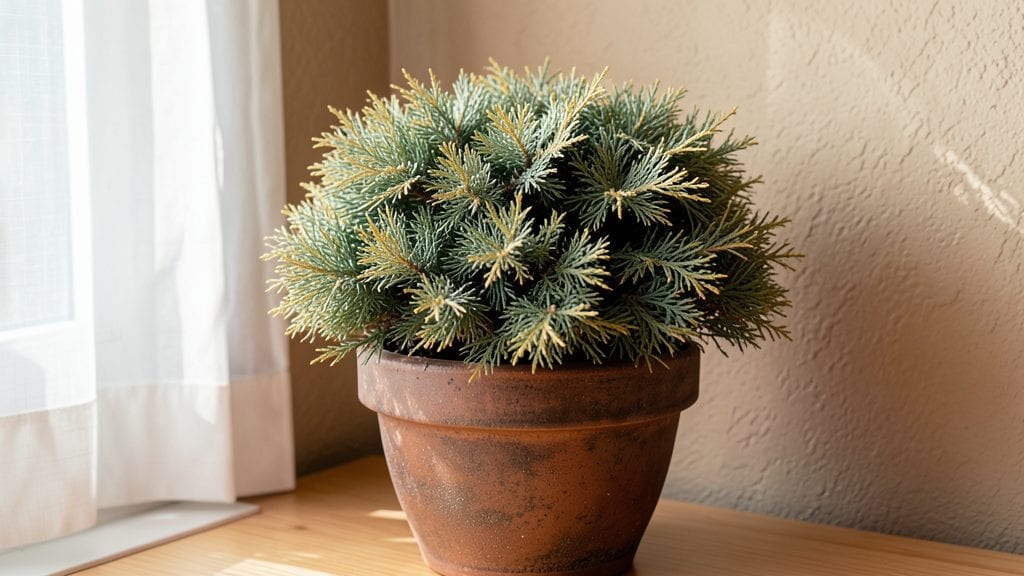
My indoor cypress plant thrives in my dim living room corner where nothing else survives—this tough little tree proves you don’t need bright light for lush greenery. 🌿 The trick is understanding its slow-and-steady nature: it’s not a fast grower, but with the right care, it’ll reward you with glossy, feathery foliage that stays vibrant for years.
Unlike fussy houseplants, cypress handles neglect surprisingly well, making it perfect for busy plant parents or shady apartments.
Start with the basics: a well-draining potting mix (think cactus blend with a little perlite) and a container with drainage holes—no fancy setups here. Water only when the top inch of soil feels dry, then soak thoroughly but never let it sit in water.
The key is consistency: too much moisture causes root rot, while too little leads to crispy tips. Humidity helps too, so mist occasionally or place it on a pebble tray if your home feels dry.
You’ll notice new growth in spring and summer, but don’t rush to prune—just trim dead fronds or overgrown branches to maintain shape. Yellowing leaves usually mean overwatering, while brown tips signal dry air.
With patience, your cypress will grow into a statement piece that outlasts trends and survives your gardening mistakes. The best part? It purifies the air while doing almost nothing in return.
Works in offices, bathrooms, or hallways—anywhere with indirect light. Once established, it’s nearly indestructible. Here’s how to keep yours looking its best without stressing over daily care.
📚 In This Guide
- What you need
- Instructions
- Tips and common mistakes
- Wrapping up and next steps
What you need
- ● Indoor Cypress Plant: Choose a healthy, compact variety (e.g., Cupressus macrocarpa ‘Goldcrest’ or Chamaecyparis lawsoniana ‘Ellwoodii’). Opt for a 1–3 gallon container size for manageable care.
- ● Well-Draining Potting Mix: 1 bag (5–10 quarts) of a cactus/succulent or pine bark blend (e.g., 50% peat moss, 30% perlite, 20% sand). Avoid heavy garden soil!
- ● Container: A pot with drainage holes (12–16" diameter for mature plants). Terracotta or ceramic works best.
- ● Watering Can: A narrow-spout can (1–2 gallons) for precise hydration.
- ● Pruning Shears: Sharp, sterilized shears (for shaping and trimming).
- ○ Humidity Tray or Pebbles: Optional but helpful for maintaining moisture (especially in dry climates).
- ● Fertilizer: A balanced liquid fertilizer (10-10-10) or slow-release granules (apply every 6–8 weeks in growing season).
- ○ Gloves (Optional): Protect your hands from sap or sharp foliage.
- ○ Grow Lights (Optional): LED full-spectrum bulb (for low-light spots; 12–14 hours/day).
How to grow and maintain a lush indoor cypress plant
Here’s how to keep your cypress plant thriving indoors with simple, effective care—even in low-light spaces!
🌱 Step 1: Choose the Right Pot and Soil Mix
Cypress plants love well-draining soil, so start with a pot that has drainage holes—no exceptions! I use a 6-8 inch pot for my plants, which gives roots room to spread without waterlogging. The soil mix should be light and airy, so blend 2 parts potting mix with 1 part perlite or orchid bark to improve drainage. This prevents root rot, which is the #1 killer of indoor cypress plants.
Fill the pot about 2/3 full with your mix before adding the plant. Tap the pot gently on the table to settle the soil, but don’t pack it down—cypress roots need air to breathe. If you’re repotting an existing plant, choose a container just 1-2 inches larger than the current one. Bigger isn’t always better—too much empty space can lead to overwatering mistakes.
💧 Step 2: Water Deeply but Infrequently
Cypress plants hate soggy roots, so water only when the top 1-2 inches of soil feel completely dry. Stick your finger in the soil—if it’s damp past your first knuckle, wait another day. When you do water, soak the soil thoroughly until water runs out the drainage holes. This encourages deep root growth instead of shallow, weak roots.
Empty the saucer under the pot after 10 minutes to prevent the plant from sitting in standing water. I’ve learned the hard way that cypress plants wilt dramatically when overwatered, but they bounce back quickly if you catch it early. If the leaves start yellowing, that’s your signal to cut back on watering—consistency is key here.
☀️ Step 3: Find the Perfect Light Spot
Cypress plants are low-light superstars, but they still need bright, indirect light to thrive. Place yours near an east-facing window or a few feet back from a south-facing window. If your home is dim, a grow light on a timer for 12-14 hours daily works wonders. Avoid direct sunlight—it can scorch the delicate fronds.
Watch for signs of light stress: leggy growth or pale, sparse fronds mean it’s not getting enough light. On the flip side, brown tips or crispy edges mean it’s getting too much. Rotate the pot a quarter turn every few weeks so the plant grows evenly. This is especially important if your light source isn’t uniform.
✂️ Step 4: Prune for Shape and Health
Pruning keeps your cypress plant looking full and encourages new growth. Use clean, sharp scissors to trim back any brown, dry, or leggy fronds at the base. I like to prune in early spring to shape the plant and remove any dead growth from the winter months. Never cut more than 1/3 of the plant at once—this can stress it out.
After pruning, give the plant a light misting with water to help it recover. You’ll notice new growth within 4-6 weeks, especially if you’ve been keeping it in consistent light. This is also a great time to fertilize lightly with a balanced liquid fertilizer (like 10-10-10) diluted to half strength. Over-fertilizing can burn the roots, so less is more!
🪴 Step 5: Keep Humidity High and Dust Off Leaves
Cypress plants love humidity—think 40-60% is ideal. If your home is dry, place the pot on a pebble tray filled with water or use a humidifier nearby. Misting the leaves 2-3 times a week also helps, but avoid doing it in direct sunlight—it can cause leaf burn. I’ve found that grouping plants together creates a microclimate that keeps humidity up naturally.
Dust builds up on cypress fronds quickly, blocking light and air flow. Wipe the leaves gently with a damp cloth every 2-3 weeks to keep them breathing easy. This simple step makes a huge difference in how vibrant your plant stays. If you notice yellowing leaves, it could be a sign of either overwatering or low humidity—check both before panicking.
Tips & tricks for perfect indoor cypress plant care
These game-changing tips will help you avoid common pitfalls and keep your cypress plant looking lush and vibrant all year long!
Pot and Soil Secrets: When choosing your 6-8 inch pot, opt for one that's just slightly wider than the plant's root ball—this prevents overwatering by reducing excess soil volume. For the soil mix, I've found that adding a handful of coir fiber to your 2:1 potting mix and perlite blend creates even better aeration. This extra step prevents that dreaded root rot while keeping the soil light and fluffy for those delicate cypress roots.
Watering Wisdom: The 10-minute drainage rule is non-negotiable! After watering, I always give the saucer an extra 5 minutes to fully drain before returning it to its decorative tray. This prevents the plant from sitting in residual water, which can lead to root suffocation. Pro tip: Use room temperature water—cold water can shock the roots and stress your plant unnecessarily.
Lighting Hacks: For those tricky 12-14 hour grow light sessions, I recommend using a smart plug with a built-in timer. This ensures consistent light exposure without you having to remember to turn it on/off daily. If you notice your plant developing leggy growth despite the grow light, it might need a slight adjustment—move it 2-3 inches closer to the light source. The goal is bright but indirect light that mimics natural conditions.
Pruning Pro Tips: When pruning those brown or leggy fronds in Step 4, I like to use sterilized scissors and make clean cuts at a 45-degree angle. This prevents tearing and helps water run off properly. After pruning, I always give the plant a light misting with water containing a few drops of seaweed extract—this helps reduce transplant shock and promotes faster recovery. The 4-6 week window for new growth is exciting, but be patient if your plant takes longer, especially in cooler months.
Pro Tips for Indoor Cypress Plant
- These game-changing tips will help you avoid common pitfalls and keep your cypress plant looking lush and vibrant all...
- Pot and Soil Secrets: When choosing your 6-8 inch pot, opt for one that's just slightly wider than the plant's root b...
- Watering Wisdom: The 10-minute drainage rule is non-negotiable! After watering, I always give the saucer an extra 5 m...
Frequently asked questions
How much light does an indoor cypress plant really need?
Indoor cypress plants are low-light lovers! Place them in bright, indirect light (like near a north-facing window) or even moderate artificial light (LED grow lights work great). Avoid harsh direct sun—it can scorch delicate needles. Pro tip: If leaves turn yellow or sparse, it’s a sign they’re craving more light!
Why is my indoor cypress plant dropping needles?
Needle drop is usually a stress signal—overwatering, underwatering, or sudden temperature changes are the top culprits. Check soil moisture (top inch should be dry), ensure good drainage, and keep temps steady (60–75°F). Bonus: Dusty needles? Wipe them gently with a damp cloth to help them breathe!
Can I keep an indoor cypress plant in a small apartment with no natural light?
While they prefer some light, LED grow lights (12–14 hours/day) can keep them happy. Opt for a dwarf variety (like Cupressus ‘Glauca’) to save space. Just monitor for leggy growth—rotate the plant occasionally for even light exposure.
How often should I prune my indoor cypress plant?
Prune lightly once or twice a year to shape it and encourage bushiness. Use clean, sharp scissors to trim back overgrown branches in early spring. Avoid heavy pruning—cypress plants prefer a natural, airy look. Warning: Never prune more than ⅓ of the plant at once!
What’s a good alternative if my cypress plant struggles indoors?
If care feels tricky, try these low-maintenance, low-light pals:
Still want a cypress vibe? Dwarf Norfolk Island Pine is a great substitute!
Wrapping up and next steps
Growing an indoor cypress plant is a rewarding journey—it’s low-maintenance, lush, and perfect for brightening up any space, even with minimal light! 🌿 With the right soil, watering routine, and a little attention to its needs, you’ll enjoy a thriving green companion year-round.
Ready to see your cypress plant flourish? Start by choosing the perfect spot in your home and follow the care tips you’ve learned—your plant (and your space!) will thank you.