Aphids
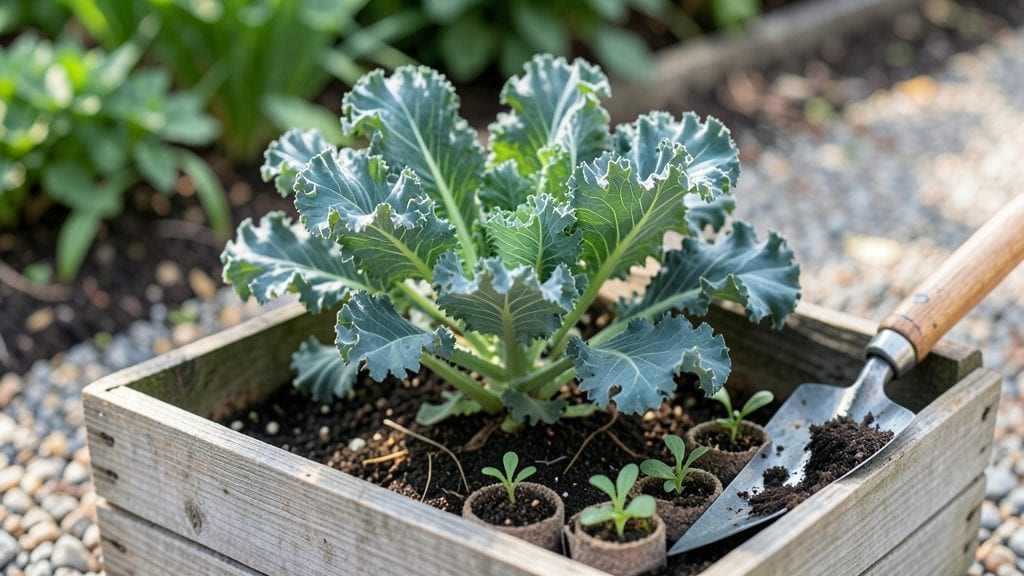
Planting kale in summer isn't as risky as you think—especially when you choose the right pest-resistant varieties and timing. 🌿 I’ve grown summer kale for three years now, and the key is picking heat-tolerant types like ‘Dwarf Blue Curled’ or ‘Winterbor’ that handle aphids and bolt better than standard varieties.
The trick starts with partial shade—kale wilts fast in full summer sun—and keeping soil consistently moist without soggy roots. Most gardeners overlook shade cloth or afternoon shade, but that’s what keeps leaves crisp and prevents bolting.
Even in Zone 7, I’ve extended harvests into October by planting in late June.
You’ll harvest tender, aphid-free leaves in just 4-6 weeks if you start seeds indoors or buy transplants after the last frost. The secret’s in the spacing too—18 inches apart gives leaves room to recover from pests, and mulching keeps roots cool.
My summer batches stay productive for 8+ weeks with proper care.
Works for containers too—just use 5-gallon pots with drainage. Here’s how to keep your summer kale thriving when others give up.
📚 In This Guide
- What you need
- Instructions
- Tips and common mistakes
- Wrapping up and next steps
What you need
- ● Kale Seeds or Seedlings: Pest-resistant varieties: 10–20 seeds or 5–10 seedlings (e.g., Winterbor, Lacinato (Dinosaur), or Red Russian). Organic seeds: Opt for heirloom or non-GMO for best results.
- ● Growing Space: Containers: 12–18" deep pots (2–3 plants per container) or Garden beds: Well-draining soil, 18–24" apart in rows.
- ○ Soil: 1–2 bags of organic potting mix (or garden soil amended with compost). Optional: 1 cup perlite or vermiculite for drainage.
- ● Fertilizer: 1–2 tbsp balanced organic fertilizer (e.g., 5-5-5) or 1 cup compost mixed into soil.
- ○ Watering Supplies: Watering can or hose with adjustable nozzle. Optional: Drip irrigation kit for consistent moisture.
- ○ Pest Control: Neem oil spray (1 tbsp neem oil + 1 tsp mild soap + 1 quart water). Optional: Row covers (floating fabric) to deter aphids.
- ● 🌡️ Temperature Check: Kale thrives in 50–75°F—use shade cloth if summer heat exceeds 85°F.
- ● ✨ Soil pH: Aim for 6.0–7.0 (test with a soil kit or vinegar/baking soda DIY test).
- ● 🔥 Sunlight: 4–6 hours of partial sun daily (morning sun is ideal).
Step-by-step instructions for planting kale in summer heat
Here's how to grow thriving kale through summer's challenges with minimal pests and maximum flavor.
🌱 Step 1: Select the Right Varieties and Prep the Soil
Choose pest-resistant varieties like 'Lacinato' or 'Red Russian'—they handle summer heat better than standard types. Work the 2 cubic feet of compost into the top 6 inches of soil to improve drainage and fertility. Kale hates soggy roots, so if your soil drains poorly, mix in 1 gallon of perlite per 4 square feet to create air pockets.
Test your soil's pH before planting—kale thrives in 6.0-7.0 range. If your soil runs acidic, sprinkle ½ cup of garden lime per 10 square feet and till it in a week before planting. The goal is loose, crumbly soil that holds moisture without compacting. I like to rake the surface smooth afterward so seeds or seedlings sit flat.
💧 Step 2: Time Planting for Optimal Germination
Plant 4-6 weeks before your first fall frost date—this gives kale time to establish before summer's worst heat arrives. For most climates, that means late July to early August. Direct-sow seeds ¼ inch deep, spacing them 18 inches apart in rows 24 inches apart to allow airflow and reduce fungal diseases.
Water the soil to 1 inch deep the day before planting. This ensures seeds stay hydrated during germination. After sowing, cover the area with 1 square yard of shade cloth (30-50%) to protect young seedlings from intense afternoon sun. Remove the cloth once seedlings show first true leaves—usually in 7-10 days—but keep it in place during peak heat hours if your area gets above 90°F.
☀️ Step 3: Manage Heat and Water Strategically
Kale bolts (goes to seed) quickly in summer heat, so prioritize even moisture. Water deeply every 2-3 days until the soil feels dry 1 inch below the surface. Use a soaker hose or drip irrigation to keep leaves dry—wet foliage attracts pests like aphids and cabbage worms. I water in the early morning so leaves dry by afternoon, which prevents fungal issues.
Mulch with 1 inch of straw around plants to retain moisture and keep roots cool. Avoid synthetic mulches—they can overheat the soil. If temperatures climb above 85°F for more than 3 days, provide afternoon shade with a removable shade structure or even a white bedsheet draped over a frame. Watch for yellowing leaves—this often signals heat stress rather than nutrient deficiency.
✂️ Step 4: Protect and Harvest for Continuous Yield
Install floating row covers if pests like cabbage moths become an issue. Secure the edges tightly so moths can't lay eggs underneath. For organic control, sprinkle 1 tablespoon of diatomaceous earth around the base of each plant weekly—it disrupts pests' exoskeletons without harming plants. Harvest outer leaves first, cutting just above a set of leaves to encourage bushier growth.
You'll see new growth within 2 weeks of harvesting. Keep picking leaves regularly to prevent bolting. If a plant starts flowering, cut it back to the base—sometimes a second harvest of smaller leaves is still possible. In cooler fall weather, kale will taste sweeter and more tender, so don't rush to harvest everything at once.
🪴 Step 5: Extend the Season with Succession Planting
For a fall harvest, sow another set of seeds 2-3 weeks after your initial planting. This second batch will mature just as summer transitions to fall, giving you 6-8 weeks of continuous harvests. Use the remaining 1 square yard of shade cloth to protect these later plantings from any lingering heat waves. Mark your calendar for 2 weeks before frost—this is when kale develops its sweetest flavor.
Pull up any spent plants and compost them to return nutrients to the soil. If your growing season allows, consider a winter harvest by covering plants with row covers when temperatures drop below 30°F. Kale actually tastes better after a light frost, so don't be afraid to let it experience a few chilly nights before harvesting.
Tips & tricks for thriving kale in summer heat
Summer kale gardening demands precision—here's how to beat the heat and grow lush, productive plants that would make any urban farmer proud.
Soil Preparation Secret: The 2 cubic feet of compost and 1 gallon of perlite per 4 square feet aren't just numbers—they're your insurance against summer's worst enemy: compacted, waterlogged soil. I've seen kale plants wilt dramatically when roots suffocate in heavy clay, even with perfect watering. After amending, press your finger into the soil—it should spring back like a sponge, not stay indented like wet cement. This loose structure lets roots breathe while holding moisture exactly where they need it.
Heat Management Strategy: When temperatures hit that critical 85°F threshold for more than 3 days, your afternoon shade becomes non-negotiable. I've learned this the hard way—without protection, even 'Red Russian' varieties bolt within days. The key is removing shade only when seedlings show their first true leaves (usually 7-10 days), but keeping it in place during peak heat hours. Think of it as giving your plants a siesta from the midday sun's most intense rays.
Watering Wisdom: That 1-inch deep watering before planting isn't just about germination—it's about creating the perfect seed bed. The soil should feel like a damp sponge, not a swamp. After planting, the deep watering every 2-3 days until soil feels dry 1 inch below the surface prevents two summer killers: drought stress and fungal diseases. I use a moisture meter now—it's worth every penny to avoid the heartbreak of watching kale wilt from overwatering or under.
Pest Prevention Pro Tip: The 1 tablespoon of diatomaceous earth weekly isn't just a band-aid—it's a fortress against cabbage moths. Sprinkle it around the base of each plant when the soil is dry (it loses effectiveness when wet). The fine powder works by creating microscopic cuts in pests' exoskeletons, but it's completely harmless to your plants and beneficial insects like bees. I apply mine on calm days so it doesn't blow away before doing its job.
Pro Tips for Kale Summer Planting
- Summer kale gardening demands precision—here's how to beat the heat and grow lush, productive plants that would make ...
- Soil Preparation Secret: The 2 cubic feet of compost and 1 gallon of perlite per 4 square feet aren't just numbers—th...
- Heat Management Strategy: When temperatures hit that critical 85°F threshold for more than 3 days, your afternoon sha...
Frequently asked questions
Got questions about planting kale in summer?
You’re not alone! Here are answers to the most common concerns—so you can grow pest-resistant kale like a pro.
Can I plant kale in summer without it bolting or dying?
Yes! Choose heat-tolerant varieties like ‘Winterbor’ or ‘Red Russian’ and plant in early summer (before peak heat). Use shade cloth (30-50%) to protect seedlings, and water deeply at the base to keep soil cool. Mulch with straw to retain moisture and regulate temperature.
How do I prevent aphids and other pests from destroying my summer kale?
Aphids love tender kale! Start with pest-resistant varieties like ‘Lacinato’ or ‘Dwarf Blue Curled.’ Introduce beneficial insects (ladybugs, lacewings) and spray neem oil weekly. For heavy infestations, use insecticidal soap—but avoid harsh chemicals to keep pollinators safe.
What’s the best time to harvest summer-planted kale?
Harvest young leaves (4–6 inches tall) for tender, sweet flavors. For mature heads, wait until the plant is 12–18 inches tall. In summer, harvest early in the morning when leaves are crisp. Leave outer leaves to regrow—this encourages continuous harvests for weeks!
Can I grow kale in containers during summer?
Use 5-gallon pots with well-draining soil and place in partial shade. Varieties like ‘Dwarf Green Curled’ thrive in containers. Ensure pots have drainage holes, and fertilize every 3–4 weeks with a balanced organic fertilizer. Rotate pots weekly for even sunlight exposure.
What if my summer kale turns bitter or yellow?
Bitter taste? Your kale is stressed—likely from heat or drought. Move plants to partial shade and water consistently. Yellow leaves? Check for overwatering (root rot) or nutrient deficiency (add compost or fish emulsion). Pests like cabbage worms can also cause damage—inspect leaves regularly!
Wrapping up and next steps
Planting kale in summer can be a game-changer—especially when you choose pest-resistant varieties like Lacinato or Winterbor. With the right prep, spacing, and companion plants, you’ll enjoy a hardy, aphid-free harvest even in warm weather. 🌱
Ready to dive in? Start by sketching your garden layout or marking your calendar for late summer sowing. Every bite of fresh, homegrown kale is a victory—so grab those seeds and get growing! 🌿