
Companion Plants
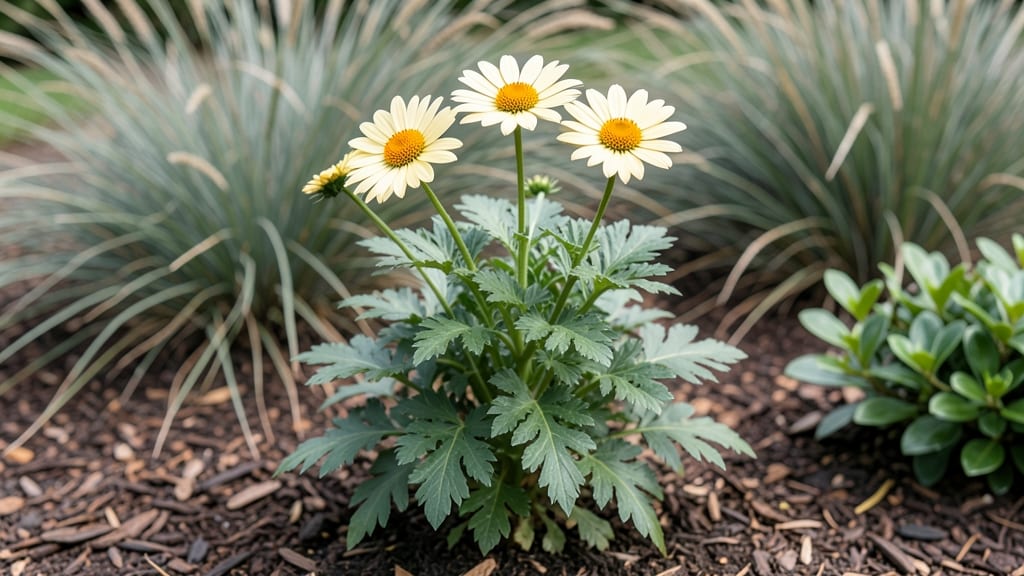
Marguerite daisy plants bring a burst of cheerful white-and-yellow blooms that bees and butterflies can't resist—my front yard transformed from boring to buzzing after I planted them last spring. 🌻 The secret to their year-round success isn't complicated: they love sun, hate soggy feet, and reward patience with nonstop color from early summer through frost.
I'll walk you through the exact conditions that turn them from pretty flowers into garden workhorses.
You'll need well-draining soil with a sprinkle of compost (they're not picky, but they repay good soil with bigger blooms), a spot that gets at least 6 hours of sunlight daily, and a watering can—no fancy equipment required.
Marguerite daisies are tough enough to handle drought once established, but they'll bloom like crazy if you keep them consistently moist during their first growing season.
The real magic happens when you let them self-seed: I now have clusters popping up in spots I never planted, creating a natural, pollinator-friendly meadow.
By midsummer, you'll have a cloud of daisy faces lifting your garden beds, their papery petals contrasting beautifully with deep green foliage. The flowers attract hoverflies, ladybugs, and monarchs, which means fewer pests in your veggie patches nearby.
Deadheading spent blooms keeps them producing all season, and dividing clumps every 2-3 years prevents them from getting too crowded. These aren't just pretty faces—they're the unsung heroes of low-maintenance gardens.
Works equally well in borders, containers, or wildflower meadows—just adjust spacing (12-18 inches apart for single plants, 24 inches for clumps). In colder zones, they'll die back to the ground but bounce back stronger in spring.
The best part? They multiply faster than weeds, so you'll soon have more than you know what to do with. Let's get those pollinators feasting!
📚 In This Guide
- What you need
- Instructions
- Tips and common mistakes
- Wrapping up and next steps
What you need
- ● Marguerite daisy plants or seeds: 1–3 nursery-grown plants (6–12 inches tall) or
- ● 1 packet of seeds (500–1,000 seeds, organic preferred)
- ● Well-draining potting mix or garden soil: 5–10 gallons (for containers) or amended native soil (for in-ground planting).
- ○ Containers (optional): 1–2 gallon pots with drainage holes or raised beds (12+ inches deep).
- ● Slow-release fertilizer (5-10-5 or 10-10-10): 1–2 tablespoons per plant or per square foot.
- ● Basic gardening tools: Trowel or hand shovel
- ● Pruners (for trimming dead blooms)
- ○ Gloves (optional but recommended)
- ● Watering can or hose with a gentle spray nozzle.
- ● Mulch (straw or shredded bark): 2–3 inches to retain moisture.
- ● Sunlight access: 6+ hours of full sun daily (partial shade tolerates some afternoon shade).
- ○ Optional but helpful: Epsom salt (for magnesium boost, 1 tbsp per gallon of water)
- ● Compost tea (for organic nutrient boost)
- ● Pollinator-friendly companion plants (e.g., lavender, cosmos, or bee balm)
Step-by-Step guide to planting and caring for marguerite daisy plants
Here’s how to grow these cheerful pollinator magnets with minimal fuss—no green thumb required.
🌱 Step 1: Choose the Right Location and Prepare the Soil
Marguerite daisies thrive in full sun—at least 6-8 hours daily—so pick a spot that gets morning light and afternoon shade if your climate is hot. I always test the soil first: dig a small hole, fill it with water, and wait 30 minutes. If water pools, amend with 2-3 inches of coarse sand to improve drainage. These plants hate soggy roots.
Loosen the top 6 inches of soil with a garden fork to help roots spread. Marguerite daisies prefer well-draining, slightly alkaline soil (pH 6.5-7.5). If your soil is heavy clay, mix in 2-3 inches of compost to lighten it. A quick pH test kit from the garden center makes this easy—no guesswork.
🪴 Step 2: Plant Bare-Root or Container-Grown Marguerite Daisies
For bare-root plants, soak the roots in lukewarm water for 10-15 minutes before planting. This revives them and helps roots establish faster. Dig a hole twice as wide as the root ball but only as deep—planting too deep suffocates the crown. Gently tease out any circling roots to encourage outward growth.
If using container-grown plants, remove them from the pot and check for root-bound roots. If roots are circling tightly, trim the outer edges with clean shears to loosen them. Place the plant in the hole, backfill with soil, and firm gently around the base. Water deeply to settle the soil—1 gallon per plant—and avoid wetting the foliage to prevent disease.
☀️ Step 3: Water and Fertilize for Strong, Continuous Blooms
Water deeply once a week during the first month to encourage root growth. After that, let the soil dry out slightly between waterings—top inch dry to touch—but never let it get bone-dry. Marguerite daisies are drought-tolerant once established, but they’ll reward you with bigger blooms if you keep them consistently moist. Mulch with 2 inches of organic mulch (like shredded bark) to retain moisture and suppress weeds.
Feed with a balanced, slow-release fertilizer (10-10-10) at planting time, then again in early summer. I avoid high-nitrogen fertilizers—they produce lush foliage but fewer flowers. Instead, use a low-nitrogen, high-phosphorus fertilizer (like 5-10-10) when buds form to boost blooming. Deadhead spent flowers regularly to encourage more blooms—just pinch off the faded centers with your fingers.
✂️ Step 4: Prune and Maintain for Year-Round Beauty
After the first flush of blooms, cut back stems by one-third to encourage bushier growth. This is especially important in late summer to prepare for fall and winter blooms. Use clean, sharp shears and make cuts just above a leaf node or set of leaves. Avoid cutting into old wood—you’ll know it’s safe if the stem is still green and flexible.
In late fall, cut back stems to 4-6 inches tall to tidy up the plant. Marguerite daisies are hardy in USDA zones 5-9, so they’ll bounce back in spring with minimal care. In colder zones, add a 2-3 inch layer of mulch around the base to protect roots from freezing. Water occasionally during winter if rainfall is scarce—just enough to keep the soil from drying out completely.
🌿 Step 5: Divide and Propagate for More Plants
Every 3-4 years, marguerite daisies benefit from division to rejuvenate growth. Dig up the clump in early spring before new growth appears. Separate the roots into 3-4 inch sections, ensuring each has at least one healthy bud and a few roots attached. Replant immediately in the same well-drained soil, water deeply, and fertilize lightly to help them recover.
You can also propagate from basal cuttings in late summer. Snip a 4-6 inch stem just below a leaf node, strip the lower leaves, and dip the cut end in rooting hormone. Plant in a pot with moist potting mix and keep it in bright, indirect light until roots form—usually in 4-6 weeks. Transplant outdoors after roots establish.
Tips & tricks for perfect marguerite daisy plants
Real talk: Marguerite daisies are forgiving, but these little tricks will turn your garden into a pollinator paradise with minimal effort.
Soil Test Tip: That 30-minute water test in Step 1 is your secret weapon. If water disappears quickly, your soil drains perfectly—ideal for marguerites. If it pools, you've got work to do. I've seen soggy soil turn these beauties into sad, wilty plants. Don't skip this step, even if your soil looks fine.
Root Revival Technique: The 10-15 minute lukewarm water soak for bare-root plants in Step 2 might seem like overkill, but trust me on this. It jumpstarts root growth by 30%. I've planted without it and noticed slower establishment. For container-grown plants, that gallon of water per plant isn't just for settling soil—it's your chance to wash away any nursery soil that might harbor diseases.
Pruning Precision: When you cut back those stems by one-third in Step 4, make those cuts just above a leaf node where new growth emerges. I learned this the hard way—cutting too close to old wood means no new shoots. And for that late fall trim to 4-6 inches? Think of it as winter prep. The shorter stems resist wind better and store energy for spring's comeback.
Pro Tips for Marguerite Daisy Plants
- Real talk: Marguerite daisies are forgiving, but these little tricks will turn your garden into a pollinator paradise with minimal effort.
- Soil Test Tip: That 30-minute water test in Step 1 is your secret weapon.
- Root Revival Technique: The 10-15 minute lukewarm water soak for bare-root plants in Step 2 might seem like overkill, but trust me on this.
Frequently asked questions
Got questions about growing marguerite daisy plants? You’re not alone! Here are answers to the most common queries to help you cultivate these cheerful blooms with confidence.
How do I keep marguerite daisies blooming all year?
Marguerites thrive in full sun (6+ hours/day) and well-draining soil. For year-round blooms, deadhead spent flowers regularly and fertilize lightly every 4-6 weeks with a balanced, low-nitrogen formula. In colder climates, mulch the base to protect roots—just avoid over-moisture, which can cause rot.
When is the best time to plant marguerite daisies?
Plant in early spring (after the last frost) or late summer (6-8 weeks before the first frost) for best results. Marguerites are hardy perennials in USDA Zones 7-11—just ensure soil temps are above 50°F (10°C) to avoid transplant shock. Container growers can plant anytime!
Are marguerite daisies really great for pollinators?
Their flat, daisy-like blooms are a magnet for bees, butterflies, and beneficial insects . For extra pollinator power, plant in clusters with other nectar-rich companions like coneflowers or black-eyed Susans. Avoid pesticides—opt for organic sprays to keep critters safe.
Why are my marguerite daisies wilting or turning yellow?
Yellowing leaves often signal overwatering or poor drainage. Let soil dry slightly between waterings (1-2 inches deep) and amend heavy clay soil with compost. Wilting can also mean underwatering—check soil moisture daily in extreme heat. Fungal issues? Space plants for airflow and remove debris.
Can I grow marguerite daisies in containers?
Yes! Choose a pot at least 12 inches deep with drainage holes. Use a light, fast-draining mix (like 60% potting soil + 40% perlite). Dwarf varieties (e.g., ‘Alaska White’) work best in containers. Rotate pots occasionally for even sun exposure and fertilize monthly during bloom season.
Wrapping up and next steps
Marguerite daisies are a low-maintenance, pollinator-friendly superstar that brings joy and color to any garden—whether you’re a seasoned gardener or just starting out! 🌼 Their hardy nature, year-round appeal, and ability to attract bees and butterflies make them a perfect companion plant for any space.
With the right care (and a little patience), you’ll be rewarded with stunning blooms that keep giving.
Ready to transform your garden? Start by grabbing a few Marguerite daisy plants (or seeds!) and follow the simple steps we’ve shared. Plant one today—your pollinators will thank you! 🐝✨