
Fertilization
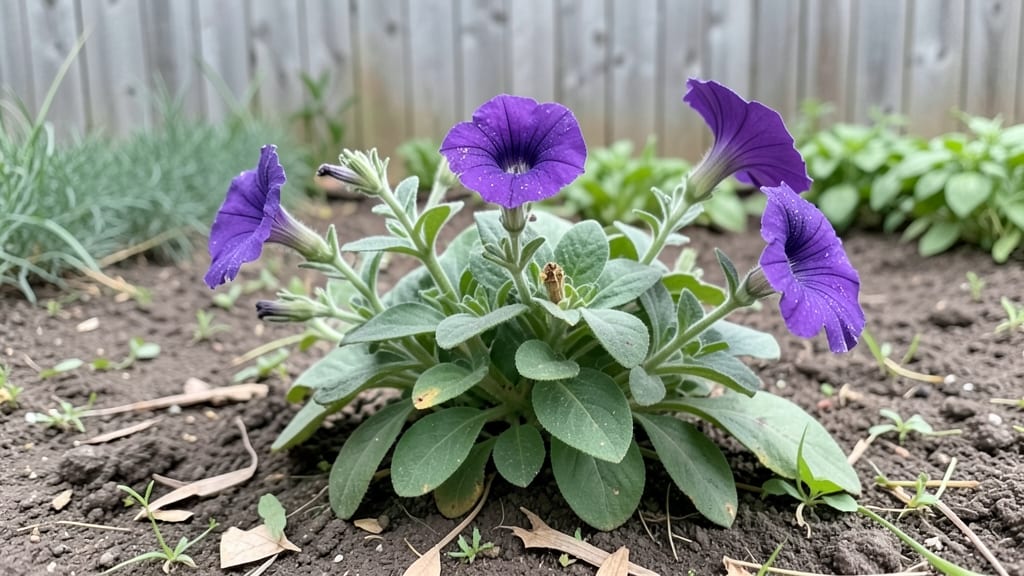
My petunia plant food game-changer starts with the right balance of nutrients, not just throwing any fertilizer at them. 🌸 The key is feeding them what they actually need to produce those showstopping blooms without burning their leaves—something I learned after watching my first batch turn crispy at the edges.
You’ll need a high-phosphorus fertilizer (look for numbers like 10-20-10 on the label) to fuel those blooms, plus a steady supply of nitrogen to keep the foliage lush. Organic options like compost tea or fish emulsion work well, but synthetic blooming formulas cut down on guesswork.
I feed mine every 2–3 weeks during peak bloom season, but cut back in late summer to avoid leggy growth.
What you’ll end up with is petunias that burst with color from spring until frost, with blooms so dense they look like they’re spilling over the edges of containers.
The secret isn’t just the fertilizer—it’s watching for signs like yellowing leaves (too much nitrogen) or crispy edges (too much salt), and adjusting on the fly.
This works for both hanging baskets and in-ground plantings, and the same principles apply whether you’re growing petunias in full sun or partial shade. Let’s get those blooms thriving!
📚 In This Guide
- What you need
- Instructions
- Tips and common mistakes
- Wrapping up and next steps
What you need
- ● Balanced liquid fertilizer (e.g., 10-10-10 or 20-20-20 NPK ratio) – 1 gallon per 10 sq ft of planting area
- ● Slow-release granular fertilizer (e.g., 14-14-14 or 13-13-13) – 1 cup per 10 sq ft
- ● Compost or organic matter (e.g., worm castings, aged manure) – 2-3 inches mixed into soil
- ● Watering can or hose with a gentle spray nozzle
- ● Gloves and knee pads (for comfort and protection)
- ● Garden trowel or hand fork (for mixing soil amendments)
- ● pH testing kit (to ensure soil pH is 6.0-7.0—petunias love slightly acidic to neutral soil!)
- ● Epsom salt (magnesium sulfate) – 1 tbsp per gallon of water (boosts blooms if leaves look pale)
- ● Fish emulsion or seaweed extract (for extra nutrients and stress relief)
- ● Mulch (straw, pine needles, or shredded bark) – 2-3 inches thick (retains moisture and regulates soil temp)
Step-by-Step instructions for feeding petunias for maximum blooms
Here's how I keep petunias flowering nonstop all season—no guesswork, just vibrant results.
🌿 Step 1: Choose the Right Fertilizer Type
Petunias thrive on a balanced, water-soluble fertilizer with equal parts nitrogen, phosphorus, and potassium (look for a 10-10-10 or 20-20-20 label). I avoid slow-release granules for petunias—they can burn tender roots when dissolved by heavy summer rains. Instead, I reach for a liquid bloom booster that dissolves instantly in water.
Check the label for micronutrients like magnesium and iron—petunias with yellowing leaves often need a quick boost of these. If you're using organic options, fish emulsion or seaweed extract works well, but dilute it to half-strength to avoid overfeeding. Always follow the package instructions for dilution ratios, as overconcentration can scorch leaves.
💧 Step 2: Feed During Active Growth and Blooming
Start fertilizing two weeks after transplanting when the plants have established roots and show new growth. Feed every 7-10 days during the growing season (spring through fall) to maintain continuous blooms. I use a morning watering routine—mix the fertilizer with water in a spray bottle or watering can, then apply it directly to the soil around the base of the plant.
Stop fertilizing 6 weeks before the first frost or when nighttime temperatures drop below 50°F. Petunias go dormant in cold weather, and feeding them then encourages tender new growth that won't survive frost. You'll notice the plants slow down when days shorten—this is your cue to taper off. Always water the soil thoroughly before applying fertilizer to prevent root burn.
✂️ Step 3: Deadhead and Encourage More Flowers
After feeding, deadhead spent blooms by pinching off the flower head just above the next set of leaves. This redirects the plant's energy from seed production to growing more flowers. I do this every 3-4 days during peak bloom season—it keeps petunias looking fresh and encourages nonstop flowering. Use clean, sharp scissors or your fingers to avoid damaging the stem.
If you notice leggy growth or sparse blooms, it's a sign of too much nitrogen or not enough light. Switch to a low-nitrogen, high-phosphorus fertilizer (like a 5-10-5 blend) for a week to push more flowering. Petunias need 6+ hours of direct sun daily—if yours are in shade, they'll focus on foliage instead of blooms. You'll see the difference within a week of adjusting your feeding routine.
🌱 Step 4: Adjust for Seasonal Changes
In hot summer months, petunias can become stressed and stop blooming. Switch to a half-strength fertilizer every 14 days to avoid overfeeding, and water deeply in the morning to prevent wilting. If you see brown edges on leaves, it's a sign of salt buildup from frequent feeding—flush the soil with plain water to rinse out excess salts.
In early fall, when days shorten, reduce feeding to every 2-3 weeks. Petunias slow down naturally as they prepare for dormancy. If you're growing in containers, move them to a sheltered spot to extend the season. You'll know you're doing it right when the flowers stay vibrant until frost, and the plants don't show signs of stress or yellowing.
Tips & tricks for vibrant petunia blooms
These little tricks will help you keep your petunias flowering like crazy all season long.
Fertilizer Application Technique: When mixing your liquid fertilizer in Step 2, I recommend using a spray bottle for even distribution. Apply it directly to the soil—not the leaves—to prevent potential leaf burn. The key is to water the soil thoroughly before fertilizing, which helps dilute the concentration and protects tender roots.
Seasonal Adjustment Insight: In Step 4, when switching to half-strength fertilizer during hot summer months, I've found that adding a tablespoon of Epsom salt to the water every other feeding gives petunias an extra magnesium boost. This helps maintain vibrant color even under stress. Just make sure to flush the soil with plain water after a few applications to prevent salt buildup.
Deadheading Pro Tip: For Step 3's deadheading routine, I use clean, sharp scissors to snip just above the next set of leaves. This creates a cleaner cut than pinching with fingers and prevents disease from spreading through torn stems. I also recommend doing this in the morning when blooms are fully open—it gives the plant the whole day to recover and produce new buds.
Organic Option Strategy: If you're using organic fertilizers like fish emulsion or seaweed extract in Step 1, I suggest making a "tea" by steeping the fertilizer in water for 24 hours before using. This reduces the concentration and prevents overfeeding. Always dilute organic fertilizers to half-strength unless the package specifically states otherwise for petunias.
Pro Tips for Petunia Plant Food
- These little tricks will help you keep your petunias flowering like crazy all season long.
- Fertilizer Application Technique: When mixing your liquid fertilizer in Step 2, I recommend using a spray bottle for even distribution.
- This helps maintain vibrant color even under stress.
Frequently asked questions
Got questions about keeping your petunias thriving? Here are some of the most common concerns—and straightforward answers—to help you grow show-stopping blooms with ease!
How often should I feed my petunias?
Feed petunias every 2–4 weeks during active growth (spring to fall). Once blooming starts, switch to a balanced liquid fertilizer (like 10-10-10) or a bloom booster (e.g., 5-10-10) to encourage flowers. Reduce feeding in winter or dormancy—overdoing it can burn roots! Pro tip: Water soil first to prevent fertilizer shock.
Can I use coffee grounds or compost as petunia plant food?
Coffee grounds (used sparingly) add nitrogen, while compost provides slow-release nutrients. Mix 1–2 cups of compost into the soil at planting or top-dress lightly monthly. Avoid fresh coffee grounds—they can acidify soil too quickly. For a quick fix, try a homemade tea (steep banana peels in water for potassium!).
Why are my petunia leaves yellowing after fertilizing?
Yellow leaves often signal over-fertilization or root burn. Flush the soil with water to leach excess salts, then reduce feeding frequency. Check soil moisture—petunias hate soggy roots! If yellowing persists, test your soil’s pH (ideal: 6.0–7.0) and switch to a low-salt fertilizer like fish emulsion.
When is the best time to start fertilizing petunias?
Start fertilizing 2–3 weeks after transplanting (when new growth appears). For container petunias, feed weekly with a diluted liquid fertilizer (half-strength) during peak bloom. In-ground petunias thrive with monthly feedings. Timing tip: Feed in the morning to avoid fungal issues from evening moisture.
What’s the difference between petunia food and regular plant fertilizer?
Petunia-specific fertilizers are higher in phosphorus (P) (the middle number) to boost blooms, while general-purpose fertilizers balance N-P-K (nitrogen-phosphorus-potassium). Look for labels like “Bloom Booster” or “Flowering Plant Food”. For example, a 7-9-5 ratio is ideal for petunias—phosphorus fuels flowers, while potassium strengthens stems!
Wrapping up and next steps
Choosing the right petunia plant food is the secret to unlocking those stunning, long-lasting blooms you’ve been dreaming of! 🌸 Whether you opt for organic compost, balanced synthetic fertilizers, or homemade teas, consistency and proper timing are key.
Your petunias will reward you with vibrant colors and lush foliage all season long.
Ready to give your garden a pop of color? Start by picking a fertilizer that matches your gardening style, then follow the feeding schedule to keep your petunias thriving. Happy gardening—your blooms are about to shine brighter than ever! 🌞