Trees
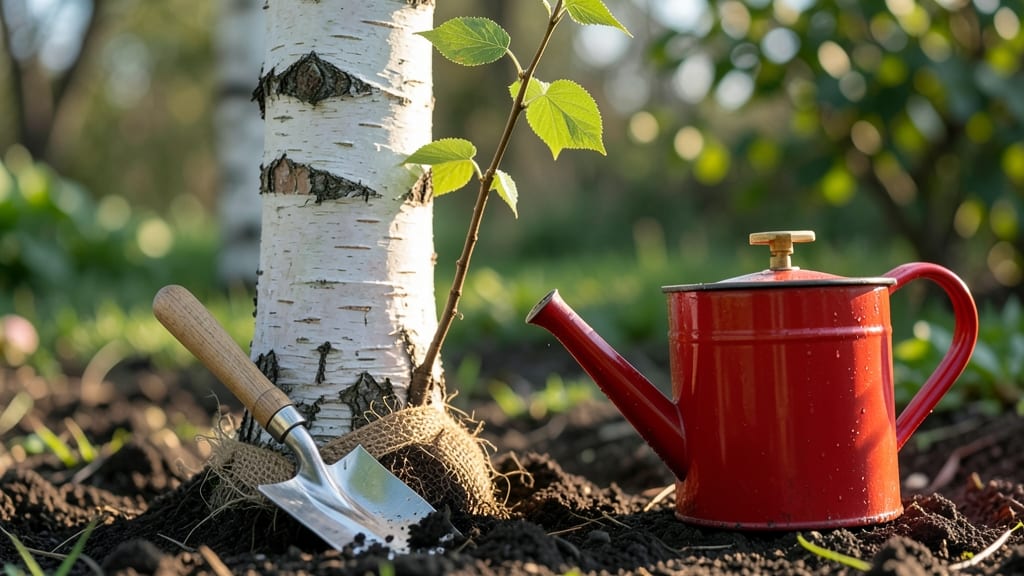
Planting birch trees in full sun gives you fast-growing, elegant shade within just a few years—no fuss, no drama. I’ve planted three varieties over the past decade, and the secret isn’t complicated: it’s about timing, soil prep, and giving those delicate roots the right start.
The first year is critical, but after that, they practically take care of themselves.
You’ll need a sunny spot with well-draining soil (birches hate soggy feet), a shovel, and a bit of patience for the first few months. Most nurseries sell bare-root saplings in early spring, but container-grown trees let you plant anytime.
Spacing matters too—give them 15 to 20 feet between trees to avoid future crowding and root competition.
What you’ll end up with is a tree that grows 2 to 3 feet per year, its peeling bark becoming a striking feature by year three.
The leaves turn golden in fall, and the roots even help prevent erosion. The key is keeping them watered but not drowned during the first growing season.
Works in zones 2 through 7, though paper birches prefer cooler climates. Avoid planting near sidewalks—their roots spread aggressively. Let’s get those trees growing strong!
📚 In This Guide
- What you need
- Instructions
- Tips and common mistakes
- Wrapping up and next steps
What you need
- ● Birch tree saplings: 1–3 (depending on desired spacing; choose Betula papyrifera for paper birch or Betula pendula for weeping birch).
- ● Shovel or trowel: 1 (for digging holes 2–3 times wider than the root ball).
- ● Native soil or compost mix: 1–2 bags (for amending heavy clay or sandy soil).
- ● Mulch (wood chips or straw): 2–3 cubic feet (keep 3–4 inches away from the trunk).
- ● Watering can or hose with a gentle nozzle: 1 (for deep watering).
- ● Garden gloves: 1 pair (to protect your hands).
- ● Soil pH test kit: 1 (birch prefers slightly acidic soil, pH 4.5–6.0).
- ○ Tree stakes (optional for young trees): 2–4 (if planting in windy areas).
- ● Fertilizer (balanced 10-10-10 or organic): 1 bag (apply sparingly after planting).
- ● Pruning shears: 1 (for trimming damaged branches post-planting).
- ● Drip irrigation system (long-term): 1 (for consistent moisture in dry climates).
Instructions for planting birch trees
Here's my go-to method for getting birch trees established quickly with minimal fuss.
Choose the Right Location and Prepare the Soil
Birch trees thrive in full sun with at least 6 hours of direct light daily, so pick a spot where they’ll get plenty of sunlight. Avoid areas where water pools—birches hate soggy roots. I always test the soil first by digging a 12-inch hole and checking drainage. If water lingers after 30 minutes, amend the soil with 2-3 inches of coarse sand or compost to improve drainage.
Birches prefer slightly acidic to neutral soil with a pH between 5.0 and 7.0. If your soil is heavy clay, mix in a 50/50 blend of native soil and compost to loosen it. Work the amendments into the top 12 inches of soil where the roots will spread. The goal is loose, well-draining soil that lets roots establish without sitting in water.
Dig the Planting Hole and Handle the Root Ball
Dig a hole twice as wide as the root ball but only as deep as the root ball itself. Birch trees have shallow roots, so planting too deep suffocates them. Gently remove the tree from its container and loosen any circling roots with your fingers—this encourages outward growth instead of girdling. If the root ball is tightly packed, tease it apart slightly to help roots spread into the surrounding soil.
Place the tree in the hole so the top of the root ball sits 1 inch above ground level. This prevents soil from settling and burying the trunk over time. Backfill with the native soil you removed, tamping lightly every 2 inches to eliminate air pockets. Avoid compacting too hard—you want the soil to settle naturally over time.
Water Deeply and Mulch for Moisture Retention
Water the tree deeply right after planting, giving it about 1-2 gallons to settle the soil and encourage root contact. Let the water soak in completely before adding a 3-inch layer of mulch around the base, keeping it 6 inches away from the trunk. Use wood chips or straw—never fresh wood or rocks, as they can harm the tree or retain too much moisture.
Mulch helps retain moisture and keeps roots cool, but it’s a common mistake to overdo it. Too much mulch can smother the tree and trap moisture against the trunk, leading to rot. Check the mulch layer every few months and refresh it as it breaks down. Water once a week for the first month, then taper to every 2 weeks once the tree is established, unless your area experiences drought.
Stake Only If Necessary and Protect Young Trees
Birch trees are naturally flexible and rarely need staking unless they’re in a windy area or the soil is very loose. If you do stake, use two stakes placed 6 inches from the trunk and tie the tree loosely with soft fabric strips—never wire, which can cut into the bark. Adjust the ties as the tree grows to avoid restricting its movement.
Young birch trees are sensitive to deer and rabbits, so protect them with tree guards or wire mesh for the first year. I’ve seen too many newly planted birches chewed to the ground by wildlife. If your area has pests, wrap the trunk with tree wrap to deter gnawing. Avoid plastic wraps, which can trap moisture and harm the bark.
Monitor Growth and Adjust Care as Needed
Birch trees grow fast once established, so watch for new shoots in the first 2-3 months. If the leaves yellow or the tree looks stressed, it’s usually a sign of overwatering or poor drainage. Adjust your watering schedule—birches prefer dry to moderately moist soil and can handle drought better than soggy conditions.
Fertilize only if the tree isn’t growing well after a year. Use a balanced, slow-release fertilizer in early spring, following the package rates. Over-fertilizing can burn roots and lead to weak growth. Prune only to remove dead or damaged branches—birches don’t need heavy pruning unless you’re shaping them for landscape purposes.
Tips & tricks for planting birch trees
Fast establishment starts with these key tricks that cut down on common mistakes and speed up root growth.
Soil Test Shortcut: Skip the full pH test kit if you're short on time. Birches are forgiving—just dig that 12-inch hole and do the 30-minute water test. If water drains within 30 minutes, your soil's fine. If not, the 2-3 inches of compost will fix it. I've planted dozens this way without ever needing a pH meter.
Root Ball Hack: When loosening circling roots in Step 2, don't tear them—just gently separate them with your fingers. Think of it like untangling headphones. The goal is to encourage outward growth, not damage the roots. If the root ball feels rock-hard, soak it in water for 10 minutes before planting to help it break apart more easily.
Watering Wisdom: That 1-2 gallon deep watering right after planting isn't just about settling soil—it's also about getting roots to spread quickly. I make sure to water slowly so it really soaks in, not just puddle around the base. For the first month, I set a reminder on my phone for that weekly watering to avoid forgetting.
Mulch Mistake to Avoid: The 3-inch mulch layer should look like a donut around your tree, not a volcano. Pile it too high or too close to the trunk, and you'll trap moisture that leads to rot. I always keep it 6 inches away from the trunk and never more than 3 inches deep—this keeps roots cool without suffocating them.
Pro Tips for Planting Birch Trees
- Fast establishment starts with these key tricks that cut down on common mistakes and speed up root growth.
- Soil Test Shortcut: Skip the full pH test kit if you're short on time. Birches are forgiving—just dig that 12-inch ho...
- Root Ball Hack: When loosening circling roots in Step 2, don't tear them—just gently separate them with your fingers....
Frequently asked questions
Got questions about planting birch trees? You’re not alone! Here are answers to the most common queries—from timing to troubleshooting—to help you grow a thriving grove with ease.
When is the best time to plant birch trees?
Birch trees thrive when planted in early spring (just as buds swell) or fall (6–8 weeks before frost). Avoid extreme heat or cold—root systems need time to establish before stress sets in. For container-grown trees, you can plant year-round, but spring/fall still win for long-term success.
How far apart should I space birch trees?
Spacing depends on the variety: Paper birch (15–20 ft apart) and Yellow birch (20–25 ft) need room to grow wide canopies. For smaller varieties like River birch, 10–15 ft works. Check your local climate—drier areas may need wider gaps to prevent competition for water.
Why are my birch tree leaves turning yellow?
Yellow leaves often signal overwatering (roots need aeration!) or nutrient deficiency (try a balanced fertilizer in spring). Check soil drainage—birches hate soggy roots. If yellowing starts at the edges, it could be chlorosis (iron deficiency), common in alkaline soils. A soil test helps pinpoint the fix!
Can I plant birch trees in partial shade?
While birches love full sun (6+ hours daily), they tolerate partial shade (4–6 hours) if no other option exists. Growth may slow, and trunks could become thinner. For best results, pair them with shade-tolerant understory plants like ferns or hostas to mimic their natural woodland edges.
Are birch trees invasive in my area?
Most birch species (like Paper birch) are not invasive in the U.S., but European white birch can spread aggressively in some regions. Check your local invasive species database or consult a nursery to pick a native variety. Pro tip: Prune suckers early to control spread!
Do birch trees need staking?
Only stake young birches (1–2 years old) if they’re in windy areas or have top-heavy growth. Use soft ties (not wire!) to avoid girdling the trunk. Remove stakes after 1 year to encourage natural root strength. Most mature birches stand tall without support—nature’s built-in stabilizers!
Wrapping up and next steps
Planting birch trees is a rewarding way to add beauty and resilience to your landscape—especially in sunny spots where they thrive with minimal fuss! 🌳 Their fast growth, striking bark, and adaptability make them a fantastic choice for both beginners and seasoned gardeners.
Whether you’re aiming for shade, erosion control, or a pop of color, birches deliver effortless elegance with the right care.
Now that you’re armed with the sun-loving secrets for success, why not take the next step?
- Mark your calendar for fall planting—the ideal time to get those roots established before winter!
- Grab your tools and pick a spot in your yard today—your future birch tree is waiting!