
Shrubs
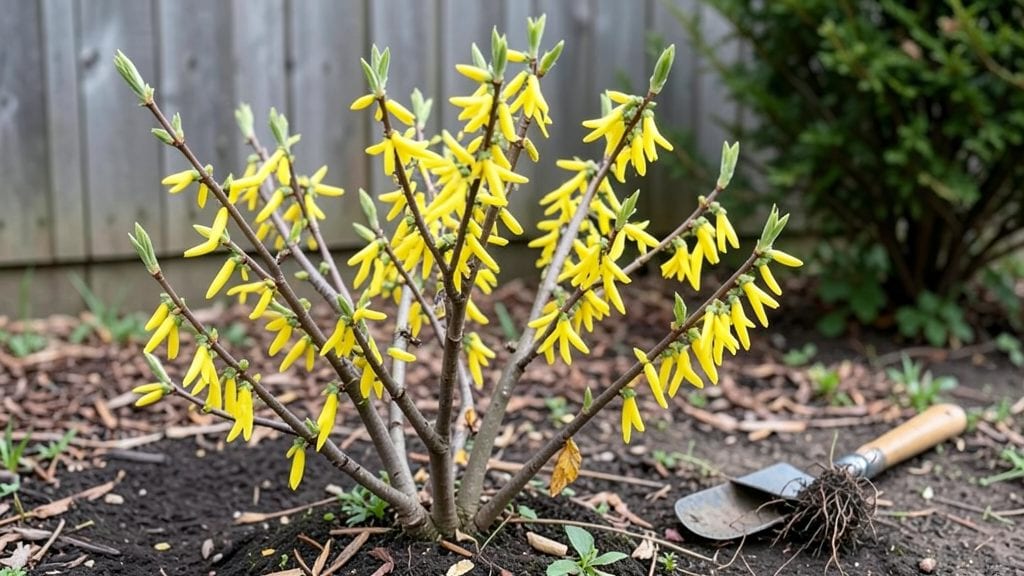
Planting forsythia bushes transforms your yard into a springtime gold rush—those vibrant yellow blooms appear before almost anything else. 🌱 I planted mine last October, and by March, the neighborhood was already asking how I did it.
The secret isn’t complicated: timing, a sunny spot, and the right soil prep make all the difference.
You’ll need well-draining soil, a spot with at least 6 hours of sun, and space to let them spread—6 to 10 feet apart for mature size. Dig a hole twice as wide as the root ball but no deeper, then water thoroughly before planting.
Forsythia thrives on neglect once established, but that first year demands attention to set roots strong.
After planting, keep the soil moist but not soggy for the first month or two, then let nature take over. By next spring, you’ll have a bush bursting with flowers that last 2 to 3 weeks, turning heads before tulips even think about blooming.
The best part? They’re drought-tolerant once settled, so summer watering becomes optional.
Here’s the pro tip: Prune right after flowering to encourage next year’s blooms, and watch your bushes grow 3 to 4 feet tall in just a few seasons.
Perfect for borders, hedges, or as a standout focal point—just don’t plant too close to sidewalks, or those branches will claim their space.
📚 In This Guide
- What you need
- Instructions
- Tips and common mistakes
- Wrapping up and next steps
What you need
- ● Forsythia bushes: 1–3 plants (depending on desired spacing; Forsythia × intermedia is a popular hybrid). Choose bare-root (dormant) or container-grown (spring-fall planting).
- ● Well-draining soil: Native soil amended with 2–3 inches of compost or organic matter (e.g., peat moss, aged manure).
- ● Mulch: 2–3 inches of wood chips, straw, or pine bark (keeps roots cool and retains moisture).
- ● Watering can or hose: With a gentle spray nozzle for post-planting hydration.
- ● Gardening gloves (to protect hands from thorns and rough soil).
- ● Shovel or trowel (for digging holes; 12–18 inches wide/deep per plant).
- ● Pruning shears (to trim dead branches or shape plants after planting).
- ● Measuring tape or ruler (to ensure proper spacing—6–8 feet apart for mature size).
- ○ Garden fork (optional) (for loosening compacted soil in heavy clay areas).
- ● Sunlight: A full-sun spot (6+ hours of direct light daily)—forsythia thrives in bright conditions!
- ● Drainage: Avoid low-lying areas where water pools (forsythia hates soggy roots).
- ● Timing: Plant in early spring (before buds swell) or fall (6 weeks before frost) for best root establishment.
Step-by-Step instructions for planting forsythia bushes
Here's my foolproof method for establishing vibrant forsythia that bursts into golden blooms year after year.
🌱 Step 1: Choose the Perfect Planting Location
Forsythia thrives in full sun—at least 6 hours of direct sunlight daily. I always scout the site in late afternoon when shadows are longest to confirm the sun exposure. The bush will grow 8-12 feet wide at maturity, so space it 10-15 feet from structures to prevent overcrowding and allow for easy pruning.
Check the soil pH with a simple test kit—forsythia prefers 6.0-7.0. If your soil tests acidic, amend with 1 pound of garden lime per 100 square feet and mix it into the top 6 inches of soil. The key is well-draining soil; if your yard has heavy clay, incorporate 2 inches of compost into the planting hole to improve aeration.
🪴 Step 2: Dig the Planting Hole and Prepare the Bush
Dig a hole twice as wide as the root ball but only as deep as the root ball itself. Forsythia roots are shallow, so burying too deep suffocates them. Remove the bush from its container and gently loosen the roots if they’re circling tightly—this prevents girdling as the plant matures.
Place the bush in the hole so the top of the root ball sits 1 inch above ground level. This ensures proper drainage and prevents waterlogging, which can rot the roots. Backfill with the native soil you removed, tamping lightly every 2 inches to eliminate air pockets. Water deeply to settle the soil around the roots.
💧 Step 3: Water and Mulch for Establishment
After planting, water the bush until 2 gallons of water drain through the soil. This ensures the roots make full contact with the moistened earth. I like to water again 3 days later to keep the soil consistently damp but not soggy during the first 2 weeks—this is critical for root development.
Spread 2-3 inches of mulch around the base, keeping it 3 inches away from the trunk to prevent rot. Use shredded bark or wood chips, which break down slowly and improve soil structure over time. Mulch conserves moisture, regulates soil temperature, and suppresses weeds—three wins in one.
☀️ Step 4: Prune for Shape and Health
Forsythia blooms on old wood, so never prune after mid-summer—you’ll cut off next year’s flowers. Instead, prune right after blooming to shape the bush and remove any dead, diseased, or crossing branches. I use clean, sharp pruners to make cuts at a 45-degree angle just above a bud or lateral branch.
Thin out crowded areas to improve airflow, which reduces fungal diseases. You’ll see new growth emerge within 2-3 weeks if the pruning was done correctly. Avoid heavy pruning—the goal is to maintain an open, airy structure that lets sunlight penetrate to the center of the bush.
⏰ Step 5: Monitor and Maintain Through the First Year
Water deeply once a week during the first growing season, increasing to twice weekly in extreme heat or drought. You’ll know it’s time to water when the top 2 inches of soil feel dry. Overwatering is the biggest mistake—forsythia is surprisingly drought-tolerant once established.
Fertilize lightly in early spring with a 10-10-10 balanced fertilizer, applying ½ pound per bush. Scatter it evenly over the root zone and water it in immediately. Skip heavy fertilization—forsythia thrives in lean soil and responds poorly to excess nitrogen, which promotes leafy growth at the expense of flowers.
Tips & tricks for perfect forsythia planting
These pro-level insights will help you avoid common pitfalls and ensure your forsythia thrives from day one.
The Sunlight Secret: That 6 hours of sunlight is non-negotiable, but here's the thing—morning sun is more valuable than afternoon. Position your bush to catch those early rays first. I've seen forsythias struggle when planted in spots with intense afternoon sun but plenty of morning light. The cooler morning temperatures reduce stress on the plant during establishment.
Root Ball Rescue: When loosening those circling roots in Step 2, be gentle but thorough. I use a hacksaw blade to carefully slice through any tight roots without damaging the main stems. This prevents girdling—a common issue where roots grow around the trunk and strangle the plant. Think of it as giving your bush a spa treatment before planting.
Watering Wisdom: Those 2 gallons of initial watering are crucial, but timing matters just as much. Water deeply in the morning so the soil has time to dry slightly before evening. This prevents fungal issues that thrive in damp conditions overnight. For the 3-day follow-up, I like to use a moisture meter to check soil moisture—aim for damp but not soggy.
Pruning Precision: That 45-degree angle cut in Step 4 isn't just for looks—it's about directing water away from the cut. Make sure your pruners are sharp enough to create clean cuts without tearing the bark. I always sterilize my tools with rubbing alcohol between cuts to prevent spreading disease. And remember, those 2-3 weeks for new growth? That's your confirmation the plant is happy with your pruning.
Pro Tips for Planting Forsythia Bushes
- These pro-level insights will help you avoid common pitfalls and ensure your forsythia thrives from day one.
- The Sunlight Secret: That 6 hours of sunlight is non-negotiable, but here's the thing—morning sun is more valuable than afternoon.
- Root Ball Rescue: When loosening those circling roots in Step 2, be gentle but thorough.
Frequently asked questions
Got questions about planting forsythia bushes?
You’re not alone! Here are answers to the most common concerns—from timing to troubleshooting—to help you grow a vibrant, low-maintenance shrub.
When is the best time to plant forsythia bushes?
Plant forsythia in early spring or early fall for optimal root establishment. Avoid extreme heat or frost—spring planting (before buds swell) gives roots time to settle before summer. Fall planting (4-6 weeks before frost) also works well, as cool temps reduce stress. Pro tip: If planting in late fall, mulch heavily to protect roots from winter cold.
How much sun do forsythia bushes need?
Forsythia thrives in full sun (6+ hours daily), but it tolerates partial shade (4-6 hours). Too little light? Expect fewer flowers and leggy growth. In hot climates, afternoon shade helps prevent leaf scorch. Bonus: Yellow blooms brighten shadier spots better than most shrubs!
Why aren’t my forsythia bushes blooming?
Common culprits: over-fertilizing (too much nitrogen = leafy growth, no flowers), poor sunlight, or young age (forsythia often waits 2-3 years to bloom). Prune in late winter/early spring to shape, but avoid heavy cuts—this can reduce flowering. Try this: Lightly scratch the bark to check for pests like aphids or scale, which can stress plants.
Can forsythia grow in containers or small spaces?
Dwarf varieties like ‘Little Gold’ (3-4 ft tall) thrive in 15-20 gallon containers with well-draining soil. Use a balanced fertilizer (10-10-10) in spring and ensure the pot has drainage holes. In small gardens, plant near fences or trellises—they spread 4-6 ft wide. Warning: Containers dry out faster; water deeply 2-3 times weekly in summer.
What’s the best soil for forsythia bushes?
Forsythia adapts to most soils but prefers well-draining, slightly acidic to neutral pH (6.0-7.0). Amend heavy clay with compost or sand, and avoid soggy spots (root rot is a risk). Quick test: Dig a hole—if water pools after 30 minutes, improve drainage with organic matter. Mulch annually with 2-3 inches of shredded bark to retain moisture and regulate temps.
How do I prune forsythia for more flowers?
Prune right after flowering (late spring) to encourage dense growth and blooms. Remove dead, crossing, or weak branches first, then trim back overgrown stems by 1/3 to maintain shape. Avoid heavy pruning in fall—it removes next year’s flower buds! For older bushes, rejuvenate by cutting back 1/2 to 2/3 of the oldest stems to the ground (do this in early spring).
Wrapping up and next steps
Planting forsythia bushes is a rewarding way to bring vibrant spring color to your garden with minimal fuss! 🌸 These cheerful shrubs thrive in sunny spots, demand little maintenance, and offer years of blooms—perfect for both beginners and seasoned gardeners.
Now that you’re equipped with the right know-how, roll up your sleeves and get planting—your future springtime showstopper awaits!
Ready to take the next step? Pick your spot, gather your tools, and watch your garden transform into a burst of golden cheer! 🌿