Flowers
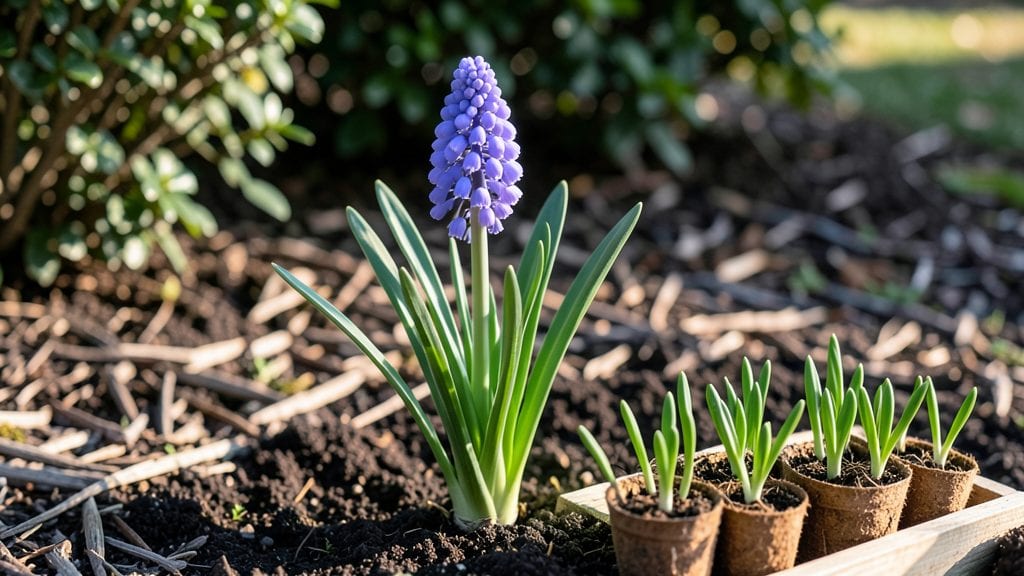
Planting grape hyacinth bulbs in fall sets you up for a carpet of purple blooms that multiply every year. 🌱 I’ve watched these little bulbs spread like wildfire in my garden—once they’re happy, they’re impossible to contain.
The key is getting them in the ground while the soil’s still warm but before frost hits, usually between October and November in most zones.
You’ll need a spot with dappled sunlight or partial shade, since full sun can scorch the delicate blooms. The soil should drain well but stay moist—grape hyacinths hate soggy roots.
Dig holes about 3 inches deep, spacing bulbs 2 to 3 inches apart in clusters of 5 to 10 for that classic "garden carpet" look. A little bulb fertilizer mixed into the soil gives them a boost for next spring.
Once planted, water lightly to settle the soil, then let nature take over. In spring, expect those first shoots to poke through the ground in early March, followed by clusters of bell-shaped flowers that smell faintly of honey.
The bulbs will naturalize over time, spreading wider each year with minimal effort from you.
If you see fewer blooms one year, don’t panic—it’s often because the bulbs are focusing on spreading. Mulch lightly in winter to protect them, and avoid digging up the area unless you’re dividing them (which you’ll want to do every few years to keep them vigorous).
These are the kind of plants that reward patience with a showy, low-maintenance display.
📚 In This Guide
- What you need
- Instructions
- Tips and common mistakes
- Wrapping up and next steps
What you need
- ● Grape hyacinth bulbs: 10–20 bulbs per square foot (or 300–600 bulbs per 100 sq. ft. for a lush display). Choose Muscari varieties like ‘Blue Spike’ or ‘Grape Ice’ for vibrant colors.
- ● Well-draining potting mix or garden soil: Amend heavy clay soil with compost (1 part compost to 3 parts soil) for optimal growth.
- ● Garden trowel or bulb planter: A small, sharp-edged tool for easy digging (6–8 inches deep).
- ● Garden gloves: Protect your hands from dirt and sharp bulb edges.
- ● Watering can or hose with a gentle spray nozzle: For post-planting hydration.
- ○ Mulch (optional but recommended): 1–2 inches of shredded bark, straw, or pine needles to retain moisture and suppress weeds.
- ● Fertilizer: A balanced, slow-release bulb fertilizer (5-10-10 ratio) to boost early growth.
- ● Plant markers: Label varieties if mixing colors (e.g., ‘Blue Spike’ vs. ‘White Pearl’).
- ● Soil test kit: Check pH (ideal: 6.0–7.0) if your garden soil is unknown.
- ● Bird netting: Protect newly planted bulbs from hungry critters (like squirrels or rabbits) if needed.
Step-by-Step instructions for planting grape hyacinth
Here's the simple method I use to get vibrant blooms year after year—with minimal effort.
🌱 Step 1: Choose the Perfect Planting Spot
Grape hyacinth thrives in full sun to partial shade, but I always pick a spot with at least 4-6 hours of morning sun—this prevents the bulbs from overheating in afternoon heat. The soil should drain well, so avoid low spots where water pools after rain.
If your yard has heavy clay soil, mix in 1-2 inches of compost before planting to improve drainage. I test soil moisture by squeezing a handful—if it stays clumped, it's too dense. Grape hyacinth bulbs rot quickly in soggy conditions, so good drainage is critical.
🪴 Step 2: Prepare the Soil and Plant Bulbs
Dig a hole 2-3 inches deep—grape hyacinth bulbs need room to spread but won't grow if buried too deep. Space bulbs 2-3 inches apart in rows 4-6 inches apart for a lush, continuous display next spring. I plant them in clusters of 5-7 for a natural, full look.
Place each bulb with the pointed end facing up—this ensures the shoot grows toward the surface. If you're planting in fall, do it 6-8 weeks before the first frost so roots establish before winter. Water immediately after planting to settle the soil around the bulbs.
💧 Step 3: Water and Mulch for Winter Protection
Give the newly planted area a deep watering—1 inch of water—to encourage root growth. After watering, spread 2-3 inches of mulch (like shredded leaves or straw) to insulate the bulbs over winter. This protects them from freezing and thawing cycles that can damage tender roots.
I avoid heavy mulch like wood chips, as they can smother the bulbs. Instead, I use lightweight materials that allow moisture to penetrate while keeping the soil temperature stable. Check mulch in early spring—remove it once shoots appear to prevent rot.
☀️ Step 4: Care for Spring Growth and Blooms
Once green shoots appear in early spring, water 1 inch per week unless rain provides enough moisture. Grape hyacinth doesn’t need fertilizer, but I add a light balanced 10-10-10 fertilizer in early spring if the soil is poor. Too much fertilizer makes leaves grow at the expense of flowers.
When the foliage turns yellow after blooming, leave it alone—the leaves feed the bulbs for next year’s flowers. Only cut back when they’ve completely browned. I mark planting spots with small flags so I don’t accidentally dig up bulbs when the garden gets crowded.
⏰ Step 5: Divide and Multiply Bulbs Every 3-4 Years
Grape hyacinth spreads aggressively, so I dig up and divide clumps every 3-4 years in late summer after the foliage dies back. Gently separate the bulbs with your hands or a fork, discarding any that are soft or shriveled. Replant the healthiest bulbs immediately in a new spot or share them with fellow gardeners.
This is the moment that matters: dividing keeps the display vibrant and prevents overcrowding. I always plant some of the new bulbs in containers for friends who want instant color—it’s a great way to spread the joy without losing any from your own garden.
Tips & tricks for planting grape hyacinth
Here's what I've learned after years of growing these cheerful blooms—simple tricks that make all the difference for vibrant, long-lasting displays.
Morning Sun is Non-Negotiable: In Step 1, when choosing your spot, focus on that morning sunlight. I've planted grape hyacinth in afternoon shade before, and while they survive, the blooms are sparse and less vibrant. The morning sun gives them the energy boost they need for strong stems and abundant flowers. If your yard only gets afternoon sun, consider planting them in containers where you can move them to a sunnier spot during the growing season.
Soil Test Before Planting: Before digging those 2-3 inch holes in Step 2, squeeze a handful of your native soil. If it stays clumped in your hand, you've got heavy clay that needs improvement. I always mix in 1-2 inches of compost to lighten the soil—this isn't just about drainage, it's about giving those bulbs room to breathe. Think of it like adding air pockets to a sponge; the bulbs need that space to develop properly.
Mulch Like a Pro: When you're adding that 2-3 inches of mulch in Step 3, choose lightweight options like shredded leaves or straw. I learned this the hard way when I used wood chips—they compact over winter and can actually smother the bulbs. The key is insulation without suffocation. Check your mulch in early spring and remove it once you see those first green shoots—this prevents rot and lets the soil warm up properly for new growth.
Fertilizer Strategy: In Step 4, when you're tempted to go heavy on fertilizer, remember less is more. I've seen gardeners overdo it, and the result is lush leaves but almost no flowers. That balanced 10-10-10 is perfect—just use it sparingly if your soil is poor. The best fertilizer for grape hyacinth is actually their own foliage. When you see that yellowing after blooming, leave those leaves alone—they're feeding the bulbs for next year's show.
Pro Tips for Planting Grape Hyacinth
- Here's what I've learned after years of growing these cheerful blooms—simple tricks that make all the difference for ...
- Morning Sun is Non-Negotiable: In Step 1, when choosing your spot, focus on that morning sunlight. I've planted grape...
- Soil Test Before Planting: Before digging those 2-3 inch holes in Step 2, squeeze a handful of your native soil. If i...
Frequently asked questions
Got questions about planting grape hyacinth? You’re not alone! Here are some of the most common concerns—and their easy answers—to help you grow these charming, low-maintenance blooms with confidence.
When is the best time to plant grape hyacinth bulbs?
Plant grape hyacinth bulbs in early fall (6–8 weeks before the first frost) for spring blooms. If you miss that window, you can plant them in late winter (just before new growth starts). Avoid planting in summer—they’ll rot in warm soil!
Can I plant grape hyacinth bulbs in winter?
Yes, but time it right! Plant them in late winter (February–March in most climates) as soon as the ground is workable. Mulch lightly to protect them from freezing temps. Just ensure they’re planted before shoots emerge to prevent frost damage.
Do grape hyacinth bulbs spread on their own?
These bulbs are aggressive self-multipliers—they’ll naturalize and spread year after year. In fact, they can become too crowded over time, so dig up and divide clumps every 3–4 years to keep blooms vibrant.
Are grape hyacinth bulbs deer- or rodent-resistant?
Not exactly. While deer usually avoid them, squirrels and rodents may nibble. Plant bulbs deeper (6 inches) or use a wire mesh cage to deter pests. For extra protection, scatter bulbs in clusters—predators are less likely to dig up small groups.
Why aren’t my grape hyacinths blooming?
No blooms? Check these fixes:
- Too much shade: They need full sun to partial shade (6+ hours of light).
- Overcrowding: Divide bulbs if they’re packed too tightly.
- Poor soil: Amend with compost for better drainage.
- Lack of nutrients: Feed with a bulb fertilizer in early spring.
Wrapping up and next steps
Planting grape hyacinth is a rewarding way to add vibrant color and effortless charm to your garden—without the fuss! 🌱 These cheerful blooms thrive with minimal care, multiply over time, and burst into life each spring, proving that beauty really does grow from patience.
Whether you’re a seasoned gardener or just starting out, their resilience and striking purple-blue hues make them a must-have for any sunny spot.
Ready to watch your garden flourish? Grab your bulbs, pick a sunny patch, and get planting! Once they’re in the ground, sit back and enjoy the show—nature will do the rest. 🌸