Pruning
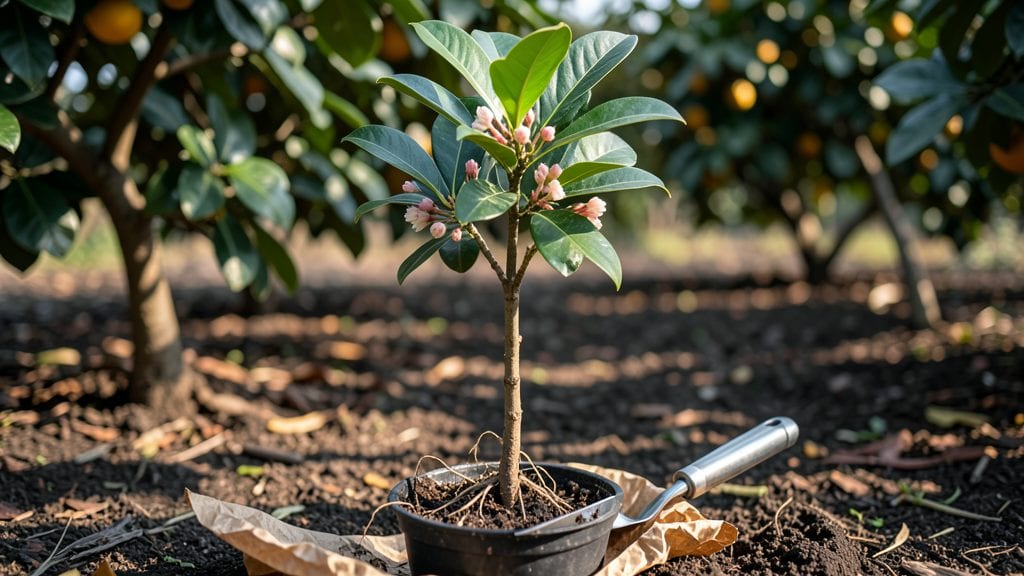
Planting a lychee tree means bringing exotic sweetness to your yard—if you live in the right zone. 🌿 I’ve grown these delicate trees in Florida’s heat, and while they’re finicky about frost, a little preparation turns them from high-risk to rewarding.
They need warm winters, sandy soil, and patience—lychees take 5-7 years to fruit, but the first harvest is worth every wait.
The secret starts with soil: mix in 3 inches of compost and ensure drainage, since soggy roots mean certain failure. Choose a spot with 6+ hours of sun, sheltered from cold winds, and plant your tree in early spring when the ground warms to 65°F.
Young trees need staking until their roots establish, usually after 12-18 months.
You’ll know you’ve done it right when new leaves unfurl bright green and glossy—proof the tree is thriving. Keep soil moist but never waterlogged, and fertilize lightly with citrus-specific blend twice a year. With time, you’ll watch those iconic pink flower clusters appear, signaling fruit is on the way.
For colder climates, container growing is your best bet—bring the pot indoors before frost. Lychees are heavy feeders, so mulch well and watch for pests like lychee borers. The payoff? Homegrown fruit so sweet it rivals store-bought—if you’re willing to play the long game.
📚 In This Guide
- What you need
- Instructions
- Tips and common mistakes
- Wrapping up and next steps
What you need
- ● Lychee tree sapling: Choose a healthy, disease-free Litchi chinensis sapling (1–3 years old) from a reputable nursery. Cold-hardy varieties (like Brewster or Mauritius) are best for cooler climates.
- ● Well-draining soil: Mix 2 parts topsoil, 1 part sand, and 1 part compost (or use a pre-mixed tropical blend). Lychees hate soggy roots!
- ● Planting hole: Dig a hole twice as wide and slightly deeper than the sapling’s root ball.
- ● Organic fertilizer: A balanced 10-10-10 or 6-6-6 fertilizer (low in nitrogen) to kickstart growth. 1 cup per tree at planting.
- ● Mulch: 2–3 inches of wood chips or pine straw to retain moisture and regulate soil temp.
- ● Drip irrigation or hose: Lychees need 1–2 inches of water weekly (adjust for climate).
- ● Pruning shears: Sharp, sterilized shears (for shaping and removing dead branches).
- ○ Support stake (optional but helpful): A 4–6 ft wooden or bamboo stake to secure young trees in windy areas.
- ● Soil pH tester: Lychees thrive in acidic soil (pH 5.5–6.5). Adjust with sulfur if needed.
- ● Slow-release fertilizer pellets: Bury 1–2 lbs around the root zone for long-term nourishment.
- ● Frost cloth or row covers: Protect young trees from unexpected cold snaps (even cold-hardy varieties!).
- ● Pollination aid: A small paintbrush to hand-pollinate flowers if bees are scarce in your area.
- ● Tree guard: A metal or plastic collar to deter pests and small animals from nibbling the trunk.
Step-by-Step instructions for planting a lychee tree
Here's how to give your lychee tree the best possible start—even in less-than-tropical climates.
🪴 Step 1: Select the Right Variety and Planting Site
Lychee trees (Litchi chinensis) thrive in USDA Hardiness Zones 10-11, but with careful planning, you can grow them in cooler zones as container plants. Choose a dwarf variety like 'Groff' or 'Brewster' for smaller spaces. The tree needs full sun (6+ hours daily) and well-draining soil—sandy loam is ideal, but amend heavy clay with 3 gallons of coarse sand or perlite per planting hole.
If planting outdoors in warm climates, pick a sheltered spot protected from strong winds. In cooler zones, select a large container (at least 15-gallon) with drainage holes. The key is mimicking the tree's natural tropical environment: warmth, humidity, and protection from cold drafts. Avoid low-lying areas where frost collects.
🌱 Step 2: Prepare the Planting Hole or Container
For in-ground planting, dig a hole twice as wide as the root ball but no deeper. Loosen the sides of the hole with a shovel to encourage root spread. If using a container, fill the bottom 2 inches with 3 gallons of potting mix mixed with 1 cup of perlite for drainage. This prevents root rot, which is lychee trees' biggest killer.
Gently remove the tree from its nursery pot and inspect the roots. If they're circling tightly, use your fingers to tease them outward. Place the tree in the hole or container so the top of the root ball sits level with the soil surface—burying too deep suffocates the trunk. Backfill with the remaining potting mix or amended soil, tamping lightly to remove air pockets.
💧 Step 3: Water Thoroughly and Mulch Properly
After planting, water deeply (about 5 gallons) to settle the soil and eliminate air gaps. Lychee trees hate soggy roots but also dry spells, so aim for consistently moist (not waterlogged) soil. In containers, water when the top 2 inches of soil feel dry—lychees are drought-sensitive once established. Avoid overhead watering to prevent fungal diseases like anthracnose.
Spread 3 gallons of organic mulch (like pine bark or straw) around the base, keeping it 3 inches away from the trunk. Mulch retains moisture and mimics the tree's tropical habitat, but too much can suffocate the roots. Replenish mulch annually, especially in hot climates where it breaks down quickly. This step is critical for young trees still developing strong root systems.
☀️ Step 4: Provide Seasonal Care for Optimal Growth
Lychee trees need winter protection if temperatures drop below 30°F. In containers, move the tree indoors to a bright, unheated garage or greenhouse where temperatures stay above 40°F. If planted outdoors, wrap the trunk with burlap or frost cloth and cover the root zone with 6 inches of mulch. Avoid heating pads—lychees dislike sudden temperature swings.
During the growing season, fertilize monthly with a balanced 10-10-10 fertilizer (use 1 tablespoon per year of tree age, max 3 tablespoons). Prune lightly in late winter to remove dead wood and shape the tree, but avoid heavy pruning—lychees produce fruit on new growth. Watch for pests like scale or mealybugs—treat early with neem oil to prevent infestations that weaken the tree.
⏰ Step 5: Monitor for Fruit Production and Adjust Care
Lychee trees typically take 3-5 years to bear fruit, but with patience and proper care, you'll see small, pink flowers in spring—a sign the tree is thriving. If you're in a cooler climate, expect smaller fruit or none at all without artificial pollination (hand-pollinate with a soft brush if flowers appear). Harvest when the fruit's skin turns pinkish-red and yields slightly to gentle pressure.
Here's the thing—lychees are finicky about day length and temperature. If your tree flowers but drops fruit, it may need longer daylight hours (14+ hours). Supplement with a grow light in late fall/winter if natural light drops below 12 hours daily. Adjust watering in summer: deep but infrequent (every 5-7 days) encourages deeper root growth, which translates to stronger fruit production.
Tips & tricks for planting a lychee tree
Took me a while to figure these out, so here's what nobody tells you about growing lychees in less-than-ideal climates.
Soil Science: The sandy loam amendment in Step 1 isn't just about drainage—it's about replicating the tree's native tropical soil structure. For containers, I recommend mixing in 1 part coconut coir to your potting mix to improve moisture retention while maintaining that critical aeration. This combo prevents the two biggest killers: root rot from soggy soil and dehydration from dry spells. The 3 gallons of coarse sand or perlite should be sterilized first—microwave it in a bag for 5 minutes to kill any pathogens that could harm your young tree.
Root Ball Rescue: In Step 2, when you're teasing out those circling roots, don't just pull them—gently separate them with your fingers while holding the root ball at a slight angle. This prevents tearing and creates a more natural root spread. I've seen people cut through circling roots with pruners, but that creates fresh wounds that take weeks to heal. Also, that 2-inch layer of potting mix with perlite at the bottom of containers? It's not just for drainage—it creates an air pocket that prevents the dreaded "bottom rot" that can creep up from poor drainage.
Winter Survival Strategy: The 30°F threshold in Step 4 is absolute—lychees can't handle colder temps, but the 40°F minimum for indoor overwintering is where most people fail. I've had trees survive 40°F in unheated garages, but they need bright light. If your garage has no windows, supplement with a 15-watt LED grow bulb placed 12 inches from the leaves for 12 hours daily. The key is consistency—sudden temperature swings are worse than steady cold. I've seen lychees drop leaves when moved from 75°F outdoor temps to 50°F garages overnight.
Fertilizer Timing: The monthly 10-10-10 feeding in Step 4 works, but here's the thing: lychees are heavy feeders but hate excess salts. After the third month, reduce to every other month in winter when growth slows. And that 1 tablespoon per year of age max? Stick to it religiously—over-fertilizing causes leaf burn and root damage. I've had trees recover from under-fertilizing, but never from overdoing it. For organic options, switch to fish emulsion at half strength every 6 weeks—it's gentler on sensitive roots.
Pro Tips for Planting Lychee Tree
- Took me a while to figure these out, so here's what nobody tells you about growing lychees in less-than-ideal climates.
- Soil Science: The sandy loam amendment in Step 1 isn't just about drainage—it's about replicating the tree's native t...
- Root Ball Rescue: In Step 2, when you're teasing out those circling roots, don't just pull them—gently separate them ...
Frequently asked questions
Got questions about growing your own lychee tree? You’re in the right place! Here are answers to the most common queries—from timing to troubleshooting—so you can plant with confidence.
When is the best time to plant a lychee tree?
The ideal window is late winter or early spring, after the last frost but before summer heat peaks. In tropical climates (USDA Zones 10-12), plant during the wet season for natural moisture support. Pro tip: If you’re in a cooler zone, start with container-grown saplings to avoid transplant shock.
Can I grow a lychee tree in my climate if I don’t live in a tropical area?
While lychees thrive in warm climates, you can grow them in containers and move them indoors during winter (below 40°F/4°C). Choose dwarf varieties like ‘Breeder’s Choice’ for smaller spaces. Just ensure they get 6+ hours of sunlight daily and protect them from drafts.
Why aren’t my lychee tree leaves turning green, or are they yellowing?
Yellowing leaves often signal nutrient deficiencies (like nitrogen or magnesium) or overwatering. Check soil moisture—lychees hate soggy roots. If leaves are pale, fertilize with a balanced tropical fruit blend. Red flag: Brown edges? It could be fluoride toxicity from tap water—use rainwater or distilled water instead.
How long does it take for a lychee tree to bear fruit?
Patience is key! Dwarf varieties may fruit in 3–5 years, while standard trees take 5–10 years. Boost production by hand-pollinating flowers (lychees are self-pollinating but benefit from a gentle shake). Fun fact: Young trees focus on growth first—don’t panic if no fruit appears early on!
What’s the easiest way to propagate a lychee tree?
The simplest method is air layering (great for beginners!). Wrap a healthy branch with damp moss and plastic wrap, then cut it once roots form. Alternatively, graft young saplings onto rootstock for faster, more reliable growth. Warning: Seeds are unreliable—grafted or nursery-bought trees yield better results.
How do I protect my lychee tree from frost?
Lychees are frost-sensitive (below 32°F/0°C causes damage). Cover the tree with frost cloth or a blanket, and wrap the trunk with bubble wrap. Move potted trees indoors or to a garage. For extra protection, mulch the soil with straw to insulate roots. Quick fix: A space heater nearby can create a microclimate!
Wrapping up and next steps
Planting a lychee tree is a rewarding journey that brings sweet, exotic flavors to your backyard—even if you’re not in a tropical paradise! With the right soil, climate adjustments, and patience, you can nurture this stunning fruit tree into a thriving part of your landscape.
Whether you’re a beginner or a seasoned gardener, every step you take brings you closer to those juicy, fragrant lychees.
Ready to take the next step? Start by selecting your sapling or seeds, then mark your calendar for planting season! 🌱 With care and consistency, your lychee tree will soon be a lush, fruiting centerpiece—and maybe even a conversation starter at your next BBQ!