
Vegetables
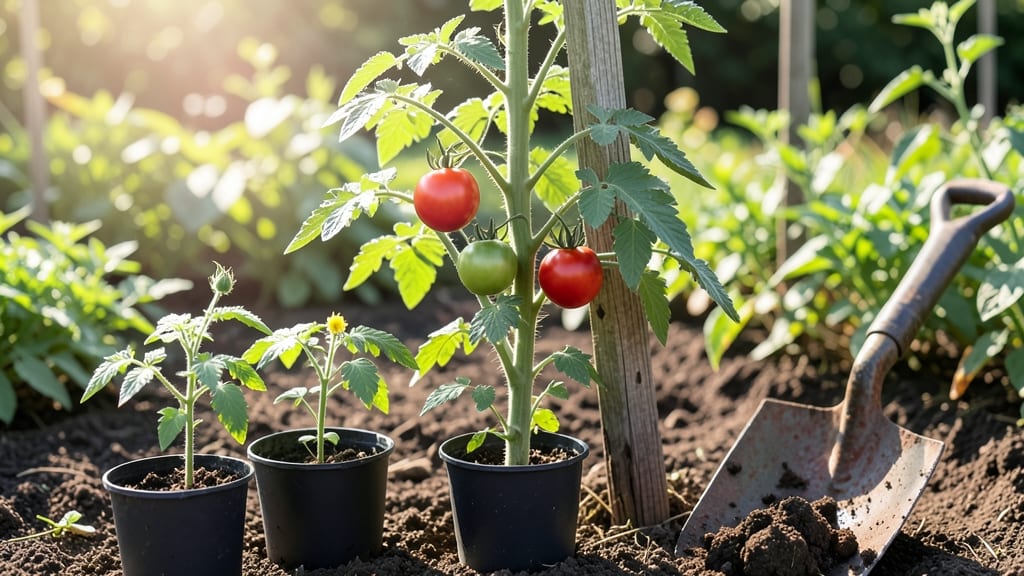
Planting tomatoes outdoors transforms your summer into a bounty of juicy rewards—if you nail the timing, soil, and sunlight. I’ve planted tomatoes for over a decade, and the difference between thriving vines and sad, stunted plants comes down to these five key moves.
The first mistake I made? Skipping soil prep because I was eager to get plants in the ground. Don’t repeat that.
You’ll need healthy transplants, loose soil rich in compost, a sunny spot with at least six hours of sunlight daily, and a sturdy cage or stakes for support. The right variety matters too—determinate types stay compact, while indeterminate ones climb and produce all season.
My go-to? A mix of ‘Celebrity’ for early harvests and ‘Sungold’ for those sweet cherry tomatoes that neighbors beg for.
By the end of week four, you’ll see lush green leaves and the first blossoms forming. The secret’s in consistent watering—deep but infrequent—to encourage strong roots, and a light mulch to keep moisture locked in.
Even if you’ve struggled before, these steps make it foolproof. Let’s get those plants in the soil where they belong.
Works for garden beds, containers, or raised rows—just adjust spacing and support. Whether you’re in a warm southern climate or a cooler northern zone, the principles stay the same. Here’s how to set it up right the first time.
📚 In This Guide
- What you need
- Instructions
- Tips and common mistakes
- Wrapping up and next steps
What you need
- ● Tomato seeds or seedlings: Choose disease-resistant varieties like Celebrity, Roma, or Cherry. Buy 6–10 plants (or seeds) for a small garden.
- ● Well-draining potting mix or garden soil: 5–10 gallons, enriched with compost (2–3 cups per planting hole).
- ● Fertilizer: A balanced 10-10-10 or organic option (e.g., fish emulsion or worm castings).
- ● Stakes or cages: 4–6 ft tall (1–2 per plant) to support growth.
- ● Mulch: Straw or shredded leaves (2–3 inches) to retain moisture and suppress weeds.
- ● Trowel or garden spade (for digging holes).
- ● Watering can or hose with a gentle spray nozzle.
- ● Pruning shears (for trimming suckers and dead leaves).
- ● Row covers (for early-season frost protection).
- ● Drip irrigation system (for consistent watering).
- ● Soil pH test kit (ideal pH: 6.2–6.8).
- ● Epsom salt (1 tbsp per plant monthly for magnesium boost).
Instructions for planting tomatoes outdoors
Here's my foolproof method for getting tomato plants thriving in your garden.
Choose the Perfect Planting Spot
Tomatoes need full sun—at least 6-8 hours daily—so scout your yard for the sunniest, warmest location. Avoid low spots where cold air settles, as tomatoes hate chilly roots. I look for areas with good air circulation to prevent fungal diseases like blight. If your yard has partial shade, opt for determinate varieties that tolerate less sun.
Test the soil a week before planting by digging a 6-inch deep hole. If the soil feels compacted or stays clumpy when wet, you'll need to amend it. Tomatoes prefer slightly acidic to neutral soil with a pH between 6.0 and 7.0. You can test this with a simple soil pH kit from your local garden center.
Prepare the Soil for Healthy Growth
Loosen the soil in a 2-foot wide circle around each planting spot using a garden fork or tiller. Break up any clumps to create a fluffy texture that encourages root growth. Mix in 2-3 inches of compost or well-rotted manure to enrich the soil naturally. This step is crucial—tomatoes are heavy feeders and need nutrient-rich soil to produce fruit.
If your soil is particularly heavy or sandy, blend in 1-2 inches of peat moss or coconut coir to improve moisture retention and drainage. Avoid fresh manure, as it can burn young roots. Water the amended area lightly to help the soil settle before planting.
Harden Off Seedlings Before Transplanting
If you started your tomatoes indoors, they need 7-10 days of hardening off before going outside. Begin by placing the seedlings in a sheltered spot—like a porch or under a shade cloth—for 1-2 hours the first day. Gradually increase their outdoor time by 1 hour daily, moving them to sunnier locations as the week progresses.
Watch for signs of stress, like wilting or yellowing leaves. If this happens, move the seedlings back to a shadier spot for a day or two. By the end of the week, they should be able to handle full sun exposure without wilting. Hardening off prevents transplant shock, which can stunt growth or even kill young plants.
Plant Tomatoes at the Right Depth and Spacing
Dig a hole twice as wide as the tomato plant’s root ball but only as deep as the container. Remove the plant from its pot and gently loosen the roots if they’re circling. Place the tomato in the hole so that the stem is buried up to the first set of leaves—this encourages stronger root growth. For indeterminate varieties, bury deeper if needed to support the plant’s height.
Space plants 18-24 inches apart in rows that are 3-4 feet apart to allow for airflow. Fill the hole with soil, pressing lightly to remove air pockets, and water deeply to settle the roots. A good rule of thumb is to water until 1 inch of soil is moistened. Mulch around the base with 2-3 inches of straw or grass clippings to retain moisture and suppress weeds.
Provide Immediate Care for Strong Starts
After planting, water the tomatoes deeply every 2-3 days until the soil is 6 inches deep moist. Avoid wetting the leaves to prevent fungal diseases. Use a drip irrigation system or water at the base of the plant in the early morning to reduce evaporation. Within 1-2 weeks, you should see new growth as a sign that the roots have established.
Apply a balanced fertilizer (like 10-10-10) sparingly—about 1 tablespoon per plant—once the first flowers appear. Too much fertilizer too soon can lead to leafy growth with few fruits. Prune any suckers (the small shoots that form in the joint between the stem and a branch) as they appear to direct the plant’s energy toward fruit production.
Tips & tricks for planting tomatoes outdoors
Here's what I've learned after years of trial and error to help your tomato plants thrive from day one.
The Sunlight Secret: Those 6-8 hours of full sun are non-negotiable for tomatoes. I've planted in spots that seemed sunny but were actually in the shade of trees or buildings. Use a sun calculator app to track sunlight patterns in your yard for a week before choosing your location. Morning sun is especially important as it helps dry dew quickly, reducing disease risk.
Soil Prep Pro Tip: When preparing your 2-foot wide planting circle, don't just loosen the soil—think of it like fluffing a pillow. Break up all clumps and mix in that 2-3 inches of compost thoroughly. I like to add a handful of wood ash (from untreated wood) to help raise the pH slightly if my soil tests below 6.0. This creates an ideal environment for those hungry tomato roots to spread and feed.
Harden Off Like a Pro: The 7-10 day hardening off period is where many beginners go wrong. I start with just 1-2 hours in shade, then gradually move to sun. Pay close attention to the plants—if they wilt dramatically, they're not ready. I've seen plants that looked perfect indoors completely collapse after too much sun too soon. The key is gradual adaptation, not rushing the process.
Planting Depth Matters: Burying the stem up to the first set of leaves might seem counterintuitive, but it works wonders. This buried section will develop additional roots, creating a stronger plant. For indeterminate varieties, I often bury even deeper—up to half the stem—if I'm concerned about stability. Just make sure not to bury any leaves below the soil line, as they'll rot.
Pro Tips for Planting Tomatoes Outdoors
- Here's what I've learned after years of trial and error to help your tomato plants thrive from day one.
- The Sunlight Secret: Those 6-8 hours of full sun are non-negotiable for tomatoes.
- Soil Prep Pro Tip: When preparing your 2-foot wide planting circle, don't just loosen the soil—think of it like fluffing a pillow.
Frequently asked questions
Got questions about growing tomatoes outdoors? You’re not alone—here are some of the most common ones, answered for you!
When is the best time to plant tomatoes outdoors?
The ideal time to plant tomatoes outdoors is after the last frost date in your area, when soil temperatures are consistently above 50°F (10°C). Most gardeners aim for late spring or early summer. If frost is still a risk, use row covers or wait until nighttime temps stay above 55°F (13°C).
How long does it take for tomato plants to grow after transplanting?
Tomatoes typically take 60–85 days to mature after transplanting, depending on the variety. Cherry tomatoes may fruit sooner (50–60 days), while beefsteak types can take up to 90 days. Warmth, sunlight, and proper care speed up growth—so keep them watered and fertilized!
What if my outdoor tomatoes aren’t thriving? How can I troubleshoot?
Yellow leaves? Wilting? Check these first:
- Watering issues: Too much or too little water causes stress. Aim for 1–2 inches per week.
- Pests: Look for aphids, hornworms, or whiteflies. Use neem oil or handpick pests.
- Disease: Fungal spots? Prune affected leaves and improve airflow.
- Nutrients: Yellowing lower leaves? Add a balanced fertilizer (10-10-10) or compost.
Can I plant tomatoes in containers instead of the ground?
Tomatoes thrive in containers if the pot is at least 5 gallons (for dwarf varieties) or 10+ gallons (for larger plants). Use well-draining soil, place in full sun, and stake or cage them for support. Just ensure the container has drainage holes to prevent root rot.
How do I know if my tomato plants are ready to harvest?
Harvest tomatoes when they’re fully colored and slightly soft to the touch. For heirlooms, wait until they’re deep red or the specific color of your variety. Cherry tomatoes should be plump and vibrant. Pick them in the morning for the best flavor—and don’t let them overripe on the vine!
Wrapping up and next steps
Planting tomatoes outdoors is a rewarding journey that brings fresh, flavorful harvests straight to your kitchen! With the right sunlight, soil, and care, you’ll enjoy juicy, homegrown tomatoes in no time. 🌱 Whether you’re a beginner or a seasoned gardener, these 5 simple steps make success almost guaranteed.
Now that you’re armed with knowledge, grab your gloves and get ready to dig in! Start by preparing your garden bed this weekend—your future tomato plants (and your taste buds) will thank you. Happy planting! 🍅✨