
Pruning
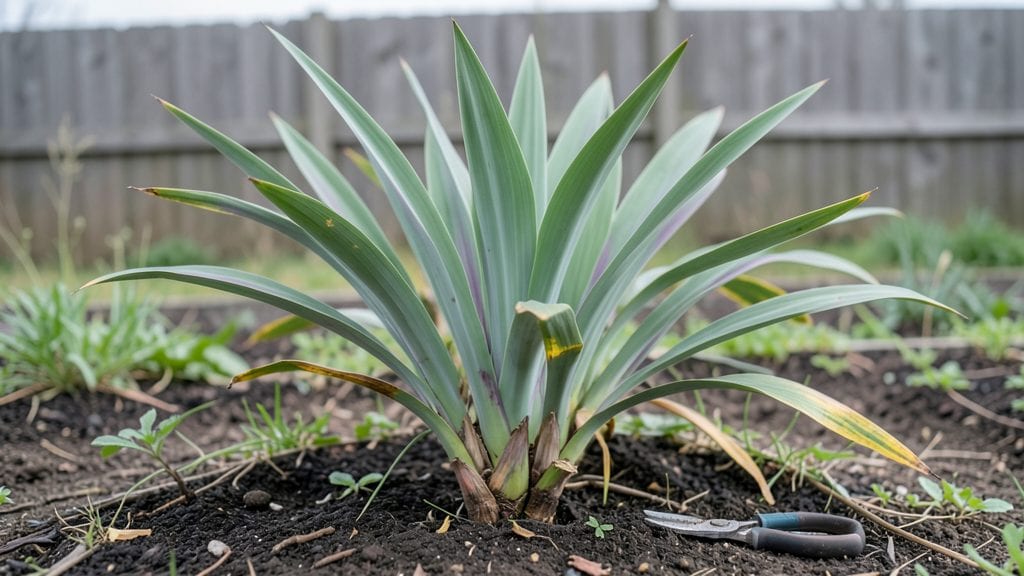
Pruning cordyline plants keeps them lush and vibrant year after year, and I’ve learned the exact techniques that make all the difference. 🌿 The key isn’t just cutting back—it’s understanding when and how to shape them for healthy regrowth.
My first attempt left the plant looking ragged, but after a few seasons, I cracked the code: timing matters, tools make a difference, and patience pays off.
You’ll need sharp bypass pruners, rubbing alcohol for sterilizing cuts, and a clear day to avoid stressing the plant. The best time to prune is early spring, right before new growth starts, but you can also do light shaping in late summer to encourage bushier foliage.
Avoid pruning in fall or winter when the plant is dormant—it just invites disease or weak regrowth.
What you’ll end up with is a cordyline that stays compact, produces fresh new leaves, and thrives for years. The secret is cutting just above a leaf node (that little bump where leaves grow) to encourage branching.
Done right, your plant will look fuller, healthier, and more vibrant than ever—plus, you’ll avoid the common mistake of over-pruning, which can leave it looking bare and stressed.
This works for both indoor and outdoor cordylines, whether you’re dealing with a towering ‘Red Star’ or a compact ‘Baby Joe.’ The same principles apply, so you can shape your plant year-round without damaging it. Let’s get those shears ready and transform your cordyline into a showstopper.
📚 In This Guide
- What you need
- Instructions
- Tips and common mistakes
- Wrapping up and next steps
What you need
Ready to give your Cordyline plants the perfect trim? Here’s everything you’ll need to tackle the job like a pro—whether you’re shaping for aesthetics, encouraging bushier growth, or reviving a leggy look! 🌿✂️
🛠️ Essential Tools & Materials
- Pruning shears or bypass pruners – Choose sharp, clean tools with a 4- to 6-inch blade for precision cuts (avoid dull tools—they crush stems!).
- Hand pruners or loppers – For thicker stems (½ inch or larger), opt for bypass loppers with a 6- to 8-inch blade.
- Gloves – Garden or cut-resistant gloves (size medium/large) to protect hands from sap and thorns.
- Disinfectant (70% isopropyl alcohol or bleach solution) – 1 part bleach to 9 parts water to sterilize tools before/after use (prevents disease spread).
- Rubbing alcohol or hand sanitizer – For quick tool disinfection between cuts.
- Trash bag or compost bin – To collect pruned foliage (Cordyline leaves decompose well!).
- Hose or bucket of water – For rinsing tools and cleaning sap off blades.
🌱 Optional (But Helpful!) Extras
- Pruning saw – For very thick stems (rare in Cordyline but handy for mature plants).
- Plant food or fertilizer – Balanced 10-10-10 or slow-release granular to nourish plants post-pruning (apply 2–4 weeks after cutting).
- Rooting hormone – If propagating from cuttings (gel or powder form).
- Spray bottle with water – To mist large cuttings and prevent wilting.
- Tarp or drop cloth – Lay down to catch debris and make cleanup easier.
Pro tip: 💡 Work on a dry, sunny day—Cordyline sap is less sticky when plants aren’t freshly watered! Also, sterilize tools between plants if you’re pruning multiple Cordylines to avoid cross-contamination.
Instructions for pruning Cordyline plants
Here’s how I keep my cordylines lush and healthy year-round with minimal stress.
🌿 Step 1: Identify and Remove Dead or Damaged Foliage
Start by inspecting your cordyline for any leaves that are brown, crispy, or yellowed at the edges. These are clear signs of dead or dying foliage that should be pruned first. Use clean, sharp pruning shears to cut just above the point where the leaf meets the stem—this prevents unsightly stubs and reduces the risk of disease.
I always work from the bottom up, removing the oldest leaves first. This mimics the plant’s natural growth pattern and keeps the center of the plant open for airflow. If you spot any stems that are completely dead (no green tissue inside), trim those back to healthy growth. Cordylines are resilient, so don’t worry about making a few cuts—just avoid over-pruning.
✂️ Step 2: Shape the Plant for Balance and Fullness
Once the dead foliage is gone, focus on shaping the plant to encourage a full, bushy appearance. Cordylines grow in a fan-like pattern, so I like to trim back any overly long or leggy stems to maintain a compact form. Use your pruning shears to cut stems at a 45-degree angle about ½ inch above a leaf node—this helps water run off and reduces the chance of rot.
If your cordyline has become too tall and top-heavy, you can also prune the top ⅓ of the plant to stimulate branching lower down. This is especially useful if the plant is leaning or looking sparse at the base. After pruning, step back and admire your work—you’ll notice how much more balanced and structured the plant looks.
🌱 Step 3: Encourage New Growth with Strategic Cuts
To promote fresh growth, I often prune back the oldest stems to the ground in early spring. This might sound drastic, but cordylines regenerate quickly, and new shoots will emerge from the base within a few weeks. If you’re pruning in late summer or fall, avoid heavy cuts—focus instead on shaping and removing only the most damaged leaves.
After pruning, give your cordyline a light application of balanced, water-soluble fertilizer to support new growth. I use a 10-10-10 formula diluted to half strength, applied every 4-6 weeks during the growing season. This ensures the plant has the nutrients it needs to bounce back strong and vibrant.
💧 Step 4: Clean Up and Monitor for Recovery
Once you’ve finished pruning, collect all the clippings and dispose of them properly—composting is fine, but avoid leaving them near the plant, as they can harbor pests or diseases. Wipe down your pruning shears with rubbing alcohol to sterilize them before storing or using them again.
In the days following pruning, keep an eye on your cordyline for signs of stress, such as wilting or yellowing leaves. This is normal, especially after heavy pruning, but the plant should recover within 2-3 weeks. If you notice any new growth emerging from the base, that’s a great sign—it means your pruning efforts are working!
☀️ Step 5: Adjust Care for Seasonal Pruning
Pruning needs vary by season. In spring, focus on removing dead leaves and shaping the plant to encourage new growth before the growing season kicks into high gear. In summer, light pruning is enough—just tidy up any damaged foliage and keep the plant well-watered. In fall, reduce pruning to minimal maintenance, and in winter, avoid pruning altogether unless absolutely necessary.
Cordylines are hardy plants, but they do appreciate consistent care. After pruning, make sure they’re placed in bright, indirect light (they tolerate some direct sun but prefer filtered light). Water deeply but allow the top 1-2 inches of soil to dry out between waterings. With the right care, your cordyline will reward you with lush, vibrant foliage for years to come.
Tips & tricks for pruning Cordyline plants
Pruning your cordyline might seem intimidating, but these simple tricks will help you achieve a fuller, healthier plant with minimal effort.
Tool Prep: Always sterilize your pruning shears with rubbing alcohol before and after use. I learned this the hard way after noticing brown spots on my plants from contaminated tools. Sharp shears make cleaner cuts that heal faster, so take a minute to hone the blades before you start. Cordylines are tough, but they'll thank you for the care!
Seasonal Timing: Spring is the best time for heavy pruning, but don't ignore maintenance in other seasons. In summer, focus on removing only damaged leaves to avoid stressing the plant during its peak growing period. The key is to work with the plant's natural rhythm—never prune in winter unless absolutely necessary, as the plant needs all its energy to survive cold temperatures.
Pruning Angle: That 45-degree angle mentioned in Step 2 isn't just for looks—it's crucial for preventing water from pooling at the cut. When you make clean diagonal cuts about ½ inch above a leaf node, you create a natural drainage path that reduces the risk of rot. This small detail makes a big difference in how quickly your cordyline recovers!
Recovery Care: After heavy pruning, your cordyline will need extra attention. Place it in bright, indirect light and water deeply every 5-7 days until you see new growth emerging from the base. The 2-3 week recovery period mentioned in Step 4 is normal, but you can speed things up by using a diluted seaweed fertilizer during this time—it's packed with growth hormones that help plants bounce back faster.
Pro Tips for Pruning Cordyline Plants
- Pruning your cordyline might seem intimidating, but these simple tricks will help you achieve a fuller, healthier pla...
- Tool Prep: Always sterilize your pruning shears with rubbing alcohol before and after use. I learned this the hard wa...
- Seasonal Timing: Spring is the best time for heavy pruning, but don't ignore maintenance in other seasons. In summer,...
Frequently asked questions
Got questions about pruning your Cordyline plants? You’re not alone! Here are some of the most common concerns—and straightforward answers to help you keep your plants thriving.
When is the best time to prune Cordyline plants?
The ideal time to prune is in early spring before new growth begins, but you can also trim lightly after flowering or to remove dead leaves anytime. Avoid heavy pruning in winter—your plant may struggle to recover in cooler months. For tropical varieties, year-round light pruning works too!
How much can I cut back my Cordyline without harming it?
You can safely remove up to one-third of the plant’s height in a single session, but avoid over-pruning. Focus on dead, yellow, or damaged leaves first. If you’re shaping, trim just above a leaf node (the bump where new growth emerges) to encourage bushier regrowth. Never cut into woody stems—this can stress the plant.
Why is my Cordyline turning brown after pruning?
Brown edges or tips after pruning usually mean overwatering, underwatering, or stress. Check the soil—it should be slightly moist but not soggy. If you pruned too aggressively, the plant may need time to recover. Hold off on fertilizing until new growth appears (about 4–6 weeks). If browning persists, inspect for pests like spider mites.
Can I propagate my Cordyline from pruned cuttings?
Use healthy, disease-free cuttings (4–6 inches long) with at least one leaf node. Dip the cut end in rooting hormone (optional) and plant in well-draining soil. Keep the soil moist and place in bright, indirect light. Roots should form in 4–8 weeks. Pro tip: Use a humidity dome or plastic bag to speed up rooting!
Do I need to sterilize my pruning tools for Cordyline?
Yes! Sterilizing tools with rubbing alcohol or a 10% bleach solution prevents spreading bacterial or fungal infections (like leaf spot). Wipe blades before and after each use, especially if you’re pruning multiple plants. Sharp, clean tools also make cuts neater and reduce stress on the plant.
Wrapping up and next steps
Pruning your Cordyline plants is a rewarding way to keep them thriving, whether you’re shaping them for aesthetics or encouraging lush new growth. With the right tools, timing, and techniques—like selective trimming and removing dead fronds—you’ll enjoy healthier, more vibrant plants year-round. 🌿
Now that you’re armed with the know-how, take action! Grab your pruners and give your Cordyline a little TLC—your green thumb will thank you. For extra inspiration, explore creative pruning designs or share your progress with fellow plant lovers online. Happy pruning! ✂️💚