
Pruning
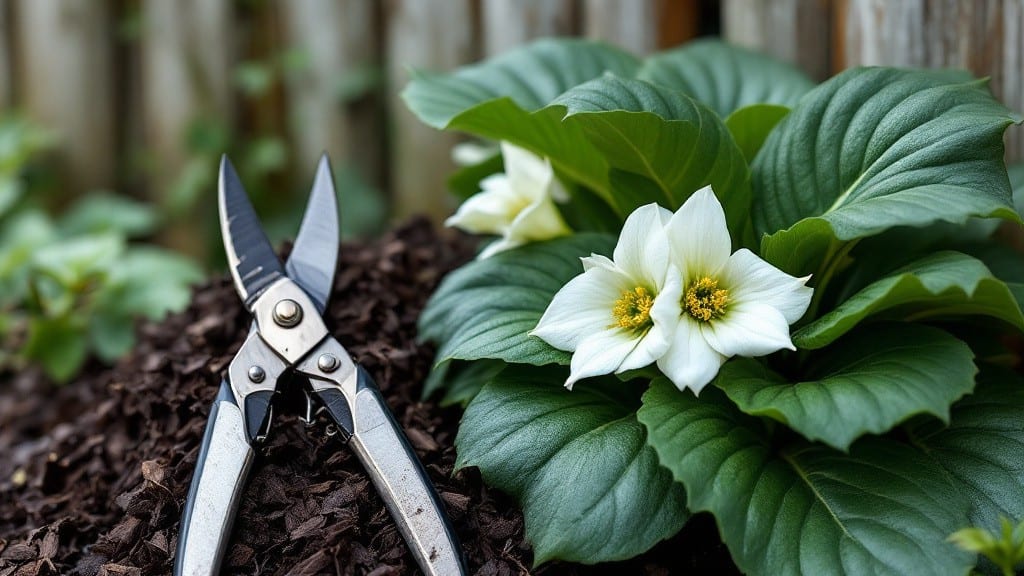
Pruning hellebore plants is the secret to keeping those elegant, nodding blooms coming back year after year—even in winter. I’ve learned the hard way that skipping this step means fewer flowers and leggy stems, but once you master it, your hellebores become the showstoppers of the garden.
The key is timing: wait until after blooms fade in late spring or early summer, then trim with purpose.
You only need two things—a sharp pair of pruners and a clear head. Snip off dead leaves at the base, then cut back the flower stems to about an inch above the next set of leaves.
This might sound simple, but I’ve seen gardeners over-prune and accidentally remove next year’s buds, so take your time. The goal is to clean up without sacrificing future blooms.
After pruning, your hellebores will bounce back with fresh, vibrant foliage and even more flowers next season. The plants stay compact, resist disease better, and put energy into new growth instead of struggling with old debris.
It’s a small effort for a big payoff—your garden will thank you with blooms that last from late winter straight through spring.
Fair warning: hellebores are tough, but they’ll forgive a missed year. If you’ve never pruned them before, start now and watch how quickly they respond. The first time you see those clean stems and fresh leaves, you’ll wonder why you waited so long.
📚 In This Guide
- What you need
- Instructions
- Tips and common mistakes
- Wrapping up and next steps
What you need
- ● Pruning shears: Bypass pruners (sharp, clean, and sterilized—think 5-inch blades for precision). Avoid anvil shears to prevent crushing stems.
- ● Hand pruners: Smaller bypass-style shears (3-inch blades) for tight spaces or delicate trimming.
- ● Gloves: Garden gloves (nitrile-coated for grip and protection from thorns or sap). Consider cut-resistant if your hellebores have spiky foliage.
- ● Disinfectant: 70% isopropyl alcohol or a gardening disinfectant spray (to sterilize tools between cuts and prevent disease).
- ○ Trimming tray or bucket: A shallow container to collect clippings and debris (optional but handy for cleanup!).
- ● Rake or leaf blower: For clearing fallen leaves/debris before pruning (helps spot hidden issues).
- ● Magnifying glass: For inspecting stems/foliage up close (spots disease or pests early!).
- ● Plant marker or labels: To tag newly pruned plants if you’re experimenting with timing or techniques.
- ● Mulch: Organic mulch (like shredded bark) to replenish after pruning and retain moisture.
- ● Pruning saw: Only if dealing with very thick, woody stems (rare for hellebores but useful for overgrown plants).
- ● Timing: Choose a calm, overcast day (morning or late afternoon) to reduce stress on the plant.
- ● Weather: Avoid pruning if rain is forecasted within 24 hours (wet conditions spread disease).
- ● Plant health check: Inspect for pests or disease (yellowing leaves, black spots, or sticky residue) before trimming.
Step-by-step instructions for pruning hellebore plants
Hellebores reward careful pruning with lush foliage and extended blooms. Here’s how to trim them the right way.
Identify and Remove Spent Blooms
Start by locating the faded or browned flower stems that have finished blooming. These are the easiest to spot—they’ll look limp and dried out compared to fresh buds. Use clean, sharp pruners to snip each stem back to its base, just above where new growth emerges. This prevents the plant from wasting energy on seed production.
I like to do this in early spring, right after the first flush of blooms appears. You’ll notice fresh buds forming at the base of the plant—these are your signal that the old stems can go. Never cut into healthy foliage, as hellebores store energy in their leaves for next year’s growth.
Thin Overcrowded Foliage
Hellebores naturally multiply, and their leaves can become dense over time. In late summer or early fall, inspect the plant for stems that are yellowing, damaged, or growing in awkward directions. These are the ones to remove. Use your pruners to cut them at the base, leaving only the healthiest, most upright stems.
Real talk: If you see a stem that’s been shaded out by others, it’s not contributing to the plant’s strength. Thin to about 4-6 strong stems per plant—this improves airflow and reduces disease risk. You’ll see a noticeable difference in next year’s blooms after just one careful thinning.
Clean Up Debris After Pruning
After trimming, gather all the cut stems and old foliage. Remove them from the garden immediately to prevent pests or fungal spores from lingering. I like to drop them into a compost bin or trash bag—never leave them on the soil surface, as they can harbor diseases like leaf spot.
Next, give the base of the plant a quick inspection. If you notice any blackened or mushy stems, these are signs of rot. Snip them off and discard them separately. Healthy hellebore stems should feel firm and green, even after pruning. A light watering afterward helps the plant recover and encourages new root growth.
Monitor for New Growth
Over the next few weeks, keep an eye on the pruned hellebores. You’ll likely see fresh leaves emerging from the center of the plant—this is a good sign that the trimming was successful. If the plant looks stressed (wilting, yellowing leaves), it might need more water or a bit of shade during hot afternoons.
This is also the time to check for pests like slugs or aphids, which are drawn to new growth. A quick spray of water or a barrier of diatomaceous earth can keep them at bay. With proper care, your hellebores will bounce back stronger, setting the stage for even more dramatic blooms next season.
Tips & tricks for perfect hellebore pruning
A few key strategies will help you maintain healthy, vibrant hellebores that reward you with stunning blooms all season long.
The Right Time Matters: Early spring is ideal for removing spent blooms as new buds emerge, but late summer or early fall is the best time for thinning foliage. This timing ensures you're not cutting into next year's growth while still improving airflow and plant health. I've learned the hard way that pruning too early can stress the plant before it's ready to recover.
Sharp Tools Are Essential: Always use clean, sharp pruners to make precise cuts just above where new growth emerges. Dull blades can crush stems and create entry points for disease. I keep a small bottle of rubbing alcohol handy to wipe down my pruners between cuts—this prevents cross-contamination between plants.
Don't Over-Thin: While it might be tempting to remove more stems for a cleaner look, hellebores need their foliage to store energy for next year's blooms. Aim to keep about 4-6 strong stems per plant, focusing on removing only the yellowing, damaged, or awkwardly growing stems. You'll see better results next season if you're patient with your thinning.
Cleanup Prevents Problems: Never leave cut stems and old foliage on the soil surface. These can harbor pests and fungal spores that will weaken your hellebores. I always gather debris immediately after pruning and either compost it or dispose of it in the trash. A quick inspection of the base for any signs of rot or disease at this stage can save your plants from bigger issues later.
Pro Tips for Pruning Hellebore Plants
- A few key strategies will help you maintain healthy, vibrant hellebores that reward you with stunning blooms all season long.
- The Right Time Matters: Early spring is ideal for removing spent blooms as new buds emerge, but late summer or early fall is the best time for thinning foliage.
- Sharp Tools Are Essential: Always use clean, sharp pruners to make precise cuts just above where new growth emerges.
Frequently asked questions
Got questions about pruning hellebores?
Here are the answers to some of the most common ones—so you can keep your plants thriving and blooming beautifully!
When is the best time to prune hellebores?
Prune hellebores after they’ve finished blooming in late spring or early summer. This ensures you don’t accidentally cut off next year’s flower buds, which form on last year’s growth. Avoid pruning in fall or winter, as the plant needs its foliage to store energy for spring.
Do I need to sterilize my pruning tools before trimming?
Sterilizing your shears with rubbing alcohol or a 10% bleach solution prevents spreading diseases like Helleborus leaf spot or powdery mildew. Clean tools between cuts, especially if your plant shows signs of stress or pests.
What should I do if I accidentally prune too much?
Don’t panic! Hellebores are tough. If you’ve over-pruned, focus on keeping the soil moist and fertilizing lightly in early spring. The plant will recover, though it may take a year or two to regain full vigor. Avoid heavy pruning in future—aim for just the dead or damaged foliage.
Can I prune hellebores in containers differently than those in the ground?
Yes! Container-grown hellebores benefit from light pruning year-round to encourage bushiness. Trim back leggy stems in early spring (before buds form) and deadhead spent blooms. However, avoid drastic cuts—containers have limited space, so prioritize shaping over aggressive pruning.
What if my hellebore leaves turn yellow after pruning?
Yellowing leaves can signal stress, but it’s often normal after pruning. If the issue persists, check for overwatering (hellebores hate soggy roots) or nutrient deficiency. A balanced fertilizer in early spring can help. If only older leaves yellow, it’s likely natural aging—no cause for alarm!
Wrapping up and next steps
Pruning hellebore plants is your secret weapon for longer blooms and healthier growth—no green thumb required! 🌿 With the right timing, tools, and technique, you’ll keep these shade-loving stars thriving year after year.
Remember, less is more: focus on dead leaves and spent blooms, and let nature do the rest.
Ready to transform your garden? Grab your pruners and start small—even a single hellebore can make a difference. Next, explore how to pair pruning with fertilizing for extra-vibrant blooms!