
Pruning
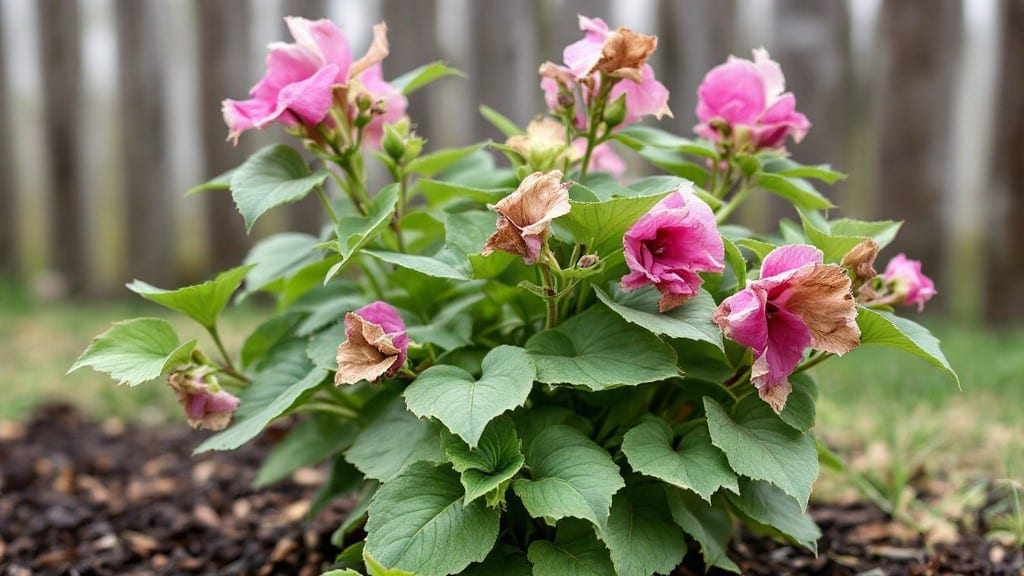
Pruning impatiens plants keeps those vibrant blooms coming all season long—no fancy tools or complicated steps required. ✨ I’ve learned the hard way that skipping this simple task means fewer flowers and leggy stems that flop over by midsummer.
The secret is cutting back just enough to encourage fresh growth without stressing the plant.
You’ll need sharp scissors or pruning shears, a clean towel to wipe the blades, and about 10 minutes of your time. The best part? You can prune throughout the growing season—after each flush of blooms fades, when stems get too long, or even in early spring to shape them up.
Just avoid cutting too close to the base, and always snip above a leaf node.
What you’ll get is a bushier plant with nonstop blooms from spring until frost. The flowers stay bright and abundant, and the stems stay sturdy enough to hold up under rain or wind.
No more sad, bare patches or stems that flop over—just lush, productive impatiens that look like they’re straight out of a nursery display.
Works for both shade-loving New Guinea impatiens and the classic busy Lizzie varieties. Here’s how to keep them thriving all season without overcomplicating things—because pruning should be simple, not stressful.
📚 In This Guide
- What you need
- Instructions
- Tips and common mistakes
- Wrapping up and next steps
What you need
- ● Pruning shears: Bypass pruners (sharp, clean, and sterilized to prevent disease). Choose ergonomic handles for comfort during extended use.
- ● Hand pruners: Smaller, precision-cutting shears for delicate stems (great for tight spaces). Look for stainless steel blades for durability.
- ● Gloves: Garden gloves (nitrile-coated for grip and protection against sap or thorns). Opt for breathable, flexible material (e.g., polypropylene or cotton).
- ● Disinfectant: 70% isopropyl alcohol or a bleach solution (1 part bleach to 9 parts water) to sterilize tools between cuts.
- ○ Pruning saw (optional): For thick, woody stems (rare in Impatiens but useful if plants are overgrown). Choose a fine-tooth saw for clean cuts.
- ● Timing: Prune in the morning (when plants are hydrated) or early evening (to avoid stress from midday sun). Avoid pruning after rain or when plants are waterlogged.
- ● Weather: Choose a calm, dry day (humidity can spread disease). Ideal temps: 55–75°F (13–24°C).
- ● Watering schedule: Water plants 1–2 days before pruning to ensure they’re well-hydrated (but not soggy). Avoid watering right after pruning (wait 24 hours).
- ● Inspection: Remove dead, yellowing, or diseased leaves/stems before pruning. Look for pests (e.g., aphids, spider mites) and treat if needed.
- ● Keep a bucket nearby to collect clippings (compost them later!).
- ● Wear old clothes—Impatiens sap can stain fabric.
- ● Sharpen blades before starting to make clean cuts (dull tools crush stems, inviting disease).
- ● Label tools with your name if sharing a garden space to avoid cross-contamination.
Instructions for pruning impatiens plants
Here's the straightforward approach I use to keep impatiens blooming all season long.
✂️ Step 1: Identify and Remove Dead or Diseased Growth
Start by scanning your impatiens for any stems that look brown, mushy, or covered in spots—these are dead or diseased and need to go. Use clean, sharp pruners to cut these stems back to a healthy green section about ½ inch above where the problem ends. This prevents the disease from spreading to the rest of the plant.
I always sterilize my pruners between cuts with rubbing alcohol to avoid transferring pathogens. You'll know you're doing it right when you're left with only vibrant green stems and leaves. This step is crucial because impatiens are sensitive to rot, and removing dead material immediately keeps them thriving.
✂️ Step 2: Pinch Back Leggy Stems for Bushier Growth
If your impatiens are growing tall and sparse with long stems between leaves, they need pinching. Using your fingers or clean pruners, snip just above a set of leaves where you want new growth to start—usually about ¼ inch above the leaf node. This encourages the plant to branch out instead of growing upward.
Here's the thing—you'll see new side shoots emerge within 2-3 weeks of pinching. I like to do this every 4-6 weeks during the growing season to maintain a full, bushy shape. Avoid cutting into the woody stems, as impatiens don't regrow well from those.
✂️ Step 3: Trim Back Overly Long or Wooden Stems
Once your impatiens start developing woody stems (thick, brownish stems), they won't produce as many flowers. Cut these back to 4-6 inches above the ground or to a spot where you see fresh green growth. This rejuvenates the plant and encourages new, flowering stems to grow from the base.
Don't worry if it looks drastic at first—impatiens are resilient. After trimming, you'll notice fresh green growth appearing within 1-2 weeks, and new blooms will follow soon after. This is especially important in late summer when growth naturally slows down.
✂️ Step 4: Deadhead Spent Blooms Regularly
To keep your impatiens producing flowers nonstop, deadhead them regularly. Simply pinch or snip off the faded blooms just above the next set of leaves or where the flower stem meets the main stem. This redirects the plant's energy from seed production back into growing more flowers.
I make it a habit to deadhead every 3-5 days during peak blooming season. You'll see a noticeable difference in how quickly new buds form. The key is consistency—skipping this step means fewer flowers and more energy wasted on seed pods.
⏰ Step 5: Lightly Prune for Winter Preparation
As fall approaches, give your impatiens a final light trim to clean up any remaining dead growth and shape the plant. Cut back leggy stems by about ⅓ to keep the plant compact. This helps it handle winter conditions better and makes spring regrowth stronger.
Impatiens are tender perennials, so they won't survive freezing temperatures. However, a light pruning in late fall helps tidy up the plant and reduces the risk of disease overwintering. You'll be rewarded with fresh, vigorous growth come spring.
Tips & tricks for perfect impatiens pruning
Keeping impatiens blooming all season takes just a few simple tricks—and avoiding these common mistakes makes all the difference.
The Timing Secret: In Step 2, when you pinch back leggy stems, focus on the 2-3 week window for new growth. This is when your plant is most responsive to pruning. I've found that pinching just after a rain shower gives even better results because the soil is moist and the plant can recover faster. Avoid pruning during extreme heat or drought—your impatiens will struggle to bounce back.
Tool Technique: For Step 1, never skip sterilizing your pruners between cuts. I keep a small bottle of rubbing alcohol right by my gardening station and wipe the blades after every cut—even when removing healthy growth. This prevents cross-contamination that could spread disease throughout your plant. A pair of clean, sharp bypass pruners makes all the difference compared to dull scissors.
Visual Cues for Step 3: When trimming woody stems back to 4-6 inches, look for the point where the stem transitions from brown and woody to green and leafy. This is your target cutting zone. You'll know you're doing it right when you're left with multiple green stems at the base—each of these will sprout new growth. If you cut too low, you risk damaging the plant's center.
Deadheading Discipline: The 3-5 day deadheading schedule in Step 4 is non-negotiable during peak bloom. I set a reminder on my phone for every Wednesday and Sunday to stay consistent. Pro tip: Use your fingernail to pinch off spent blooms instead of snipping with pruners—it's faster and reduces the risk of damaging healthy stems. You'll notice new buds forming within days of regular deadheading.
Pro Tips for Pruning Impatiens Plants
- Keeping impatiens blooming all season takes just a few simple tricks—and avoiding these common mistakes makes all the difference.
- The Timing Secret: In Step 2, when you pinch back leggy stems, focus on the 2-3 week window for new growth.
- Tool Technique: For Step 1, never skip sterilizing your pruners between cuts.
Frequently asked questions
When is the best time to prune impatiens for continuous blooms?
The ideal time to prune impatiens is right after flowering or when stems grow leggy. For year-round blooms, trim lightly every 4–6 weeks to encourage new growth. Avoid heavy pruning in late summer—this can delay fall blooms. Pro tip: Pinch back tips when plants are young to promote bushiness!
Can I prune impatiens too much? What are the signs?
Yes! Over-pruning can stress plants, leading to bare stems, yellowing leaves, or stunted growth. If you see excessive leaf drop or no new buds, you’ve likely trimmed too aggressively. Stick to 1/3 of the plant’s height max per session and avoid cutting into woody stems.
Do I need special tools to prune impatiens?
Not necessarily! Clean, sharp scissors or pruning shears work best, but you can use sanitized garden snips or even your fingers for small jobs. Just ensure tools are sterilized with rubbing alcohol to prevent disease. Avoid dull blades—they crush stems, inviting infections.
What should I do with the cuttings after pruning?
Don’t toss those clippings! Root impatiens cuttings in water or moist potting mix to propagate new plants. Use 4–6 inch stems with leaves removed from the lower half. Place in bright, indirect light until roots form (2–4 weeks). Perfect for free plants—or sharing with gardening friends!
Why aren’t my impatiens blooming after pruning?
Blooms may lag due to lack of sunlight, over-fertilizing (too much nitrogen), or underwatering. Ensure plants get 4–6 hours of morning sun and fertilize with a balanced bloom booster (like 10-10-10) every 4–6 weeks. Deadhead spent flowers too!
Can I prune impatiens in winter?
If your impatiens are tender perennials (not hardy in freezing temps), prune lightly in early winter to remove dead growth, but avoid heavy cuts. In colder zones, treat them as annuals—prune only to shape before the first frost. Pro tip: Mulch plants to protect roots if winterizing!
Wrapping up and next steps
Pruning your impatiens plants doesn’t have to be intimidating—it’s all about encouraging lush growth and vibrant blooms with just a little care! By following the right timing, techniques, and tools, you’ll keep your plants thriving year-round.
Whether you’re a seasoned gardener or just starting out, every trim brings you closer to a garden bursting with color. 🌸
Ready to take the next step? Grab your shears and head outside! Start small—even a few well-placed cuts can make a big difference. And if you loved these tips, share them with fellow plant lovers or explore more pruning guides to keep your garden in peak shape. Happy gardening! ✂️🌿