
Planting
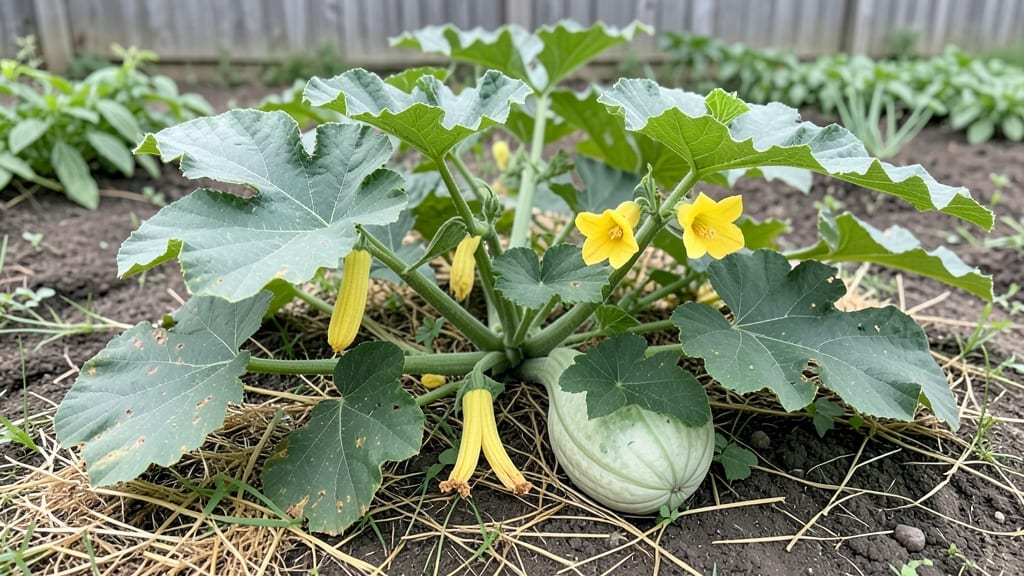
There’s nothing like watching a speghetti squash plant transform your garden into a golden, thread-like harvest—neighbors will beg for your secrets after seeing those first vine-yielded strands. ✨ ask for seeds. The secret starts with warm soil and patience, but the payoff is worth every minute of waiting.
These vines thrive in full sun and well-draining soil, so pick a spot where they can sprawl without competition. Plant seeds after the last frost when soil reaches 70°F, and space them 3-4 feet apart—they’ll spread fast.
Water consistently but avoid soggy soil, which invites rot. With the right conditions, you’ll see squash forming in just 90 days.
The harvest is the best part—firm, heavy squash that’s ready when their rinds turn dull and hard to pierce. Inside, you’ll find strands that cook like spaghetti, perfect for pasta dishes or roasted sides. The flavor is mild and slightly sweet, with a texture that’s uniquely satisfying.
Even in cooler climates, spaghetti squash grows well if you start seeds indoors 4-6 weeks before transplanting. Just watch for squash vine borers and use row covers early to protect young plants. Once established, they’re surprisingly low-maintenance—just keep the soil moist and the sun shining.
📚 In This Guide
- What you need
- Instructions
- Tips and common mistakes
- Wrapping up and next steps
What you need
- ● Seeds: 3–5 high-quality spaghetti squash seeds (look for varieties like 'Casaba,' 'Turkish,' or 'Gold Rush').
- ● Potting soil or garden bed soil: 10–15 lbs of well-draining, nutrient-rich soil (pH 6.0–7.0). Pro tip: Mix in compost for extra nutrients! 🌿
- ○ Containers (optional for early starts): 5–6 inch pots (if starting indoors) or a direct sowing spot in warm soil (60°F+).
- ● Watering can or hose with gentle spray: Spaghetti squash loves moisture but hates soggy roots!
- ● Fertilizer: Balanced organic fertilizer (10-10-10) or compost tea for a mid-season boost.
- ○ Trellis or stakes (optional but helpful): Vines can grow 6–10 feet long—support them to save space! 🪵
- ● Sunlight: Full sun (6–8+ hours daily)—this squash is a sun-worshipper!
- ● Warmth: Soil temps must be 60°F+ (use a soil thermometer if unsure).
- ● Space: 3–4 feet between plants (or rows) for proper airflow and growth.
- ● Mulch (straw or shredded leaves) to retain moisture.
- ● Row covers (for early planting to protect from pests).
- ● Pruning shears (to trim vines if they get unruly).
- ● A harvest knife (for clean cuts when squash is ready!).
Step-by-step instructions for growing speghetti squash
Here’s how to grow these fast, fun vines that turn into edible noodles—no pasta pot needed.
🌱 Step 1: Choose the Perfect Planting Spot
Speghetti squash thrives in full sun, so pick a location that gets at least 6-8 hours of direct sunlight daily. I always look for a spot with loose, well-draining soil—these vines hate soggy roots. If your garden soil is heavy clay, amend it with 2-3 inches of compost mixed into the top 12 inches of soil before planting.
These plants spread 3-5 feet wide, so give them plenty of room. If space is tight, opt for bush varieties like 'Golden Spaghetti' or 'Tromboncino,' which stay more compact. Mark the area with stakes or string to visualize the vine spread—this helps prevent crowding later.
🌱 Step 2: Plant Seeds or Transplants at the Right Time
Start seeds indoors 4-6 weeks before your last frost date or sow directly into the garden after soil reaches 70°F. I prefer direct sowing because speghetti squash dislikes root disturbance. Plant seeds 1 inch deep and 3-4 feet apart in hills of 3-4 seeds each. This spacing gives vines room to sprawl without competing for nutrients.
If using transplants, wait until nighttime temperatures stay above 55°F—cold snaps stunt growth. Bury seedlings slightly deeper than their pots to encourage strong root development. Water gently after planting to settle the soil around the seeds or roots.
☀️ Step 3: Water and Feed for Fast, Healthy Growth
Keep soil consistently moist but never soggy—speghetti squash roots rot easily in waterlogged conditions. Water 1-2 inches per week, aiming for the base of the plant rather than overhead. I use a soaker hose to deliver water slowly and evenly, reducing the risk of fungal diseases like powdery mildew.
Feed plants with a balanced 10-10-10 fertilizer when vines reach 12 inches long, then switch to a low-nitrogen, high-phosphorus formula (like 5-10-10) once flowers appear. This encourages fruit development over leafy growth. Mulch around the base with 2-3 inches of straw to retain moisture and suppress weeds.
✂️ Step 4: Prune and Protect for Maximum Yield
Remove any male flowers that appear first—they drain energy from the plant. Focus on preserving female flowers, which you’ll recognize by their tiny squash forming at the base. I pinch off the first few male blooms to redirect nutrients toward fruit development.
Watch for squash bugs and cucumber beetles, which love speghetti squash. Handpick eggs or use row covers to protect young plants. If pests strike, spray with neem oil or insecticidal soap in the evening when bees aren’t active. Harvest when the rind turns hard and dull—this usually happens 90-100 days after planting.
🍽️ Step 5: Harvest and Store for Long-Term Enjoyment
Cut squash from the vine using a sharp knife, leaving a 1-inch stem attached. Handle gently to avoid bruising the skin. Cure harvested squash in a warm, dry place (80-85°F) for 7-10 days to harden the rind and improve storage life. This step is key—uncured squash spoils quickly.
Store cured squash in a cool, dark place (50-55°F) for up to 3 months. For longer storage, wrap individual squash in newspaper and place in a cardboard box. When ready to cook, roast whole at 400°F for 45 minutes—the flesh will separate into strands resembling spaghetti!
Tips & tricks for perfect speghetti squash growth
Here's what I've learned after growing speghetti squash for years—these tricks will help you avoid common pitfalls and maximize your harvest.
Sunlight Secret: While 6-8 hours of sun is ideal, speghetti squash can actually handle up to 10 hours of direct sunlight without stress. I've seen plants in full sun areas produce squash that's sweeter and more flavorful than those with just the minimum sunlight. Just watch for signs of sunburn—yellowing or scorch marks on leaves mean you need to provide afternoon shade during peak summer heat.
Soil Preparation Strategy: The 2-3 inches of compost recommendation is non-negotiable for heavy clay soils, but even loamy soils benefit from this boost. I like to add a handful of worm castings mixed into the planting hole—this gives plants an instant nutrient boost and helps establish strong roots. The key is working compost into the top 12 inches, not just surface-level mixing.
Timing Tip for Transplants: That 55°F nighttime temperature threshold is crucial—any colder and your transplants will struggle. I've found that waiting until morning temperatures consistently stay above 60°F gives plants even better shock absorption. Burying seedlings deeper than their pots might seem counterintuitive, but it actually encourages stronger root development by stimulating growth from the buried stem nodes.
Harvesting Cue: The hard, dull rind is your clearest indicator, but I also check for a hollow sound when tapped with my knuckles. This happens naturally around 90-100 days, but don't wait too long—the squash becomes stringy and less flavorful if left on the vine past maturity. For best results, harvest in the morning when the skin is firmest after overnight cooling.
Pro Tips for Speghetti Squash Plant
- Here's what I've learned after growing speghetti squash for years—these tricks will help you avoid common pitfalls and maximize your harvest.
- Sunlight Secret: While 6-8 hours of sun is ideal, speghetti squash can actually handle up to 10 hours of direct sunlight without stress.
- Soil Preparation Strategy: The 2-3 inches of compost recommendation is non-negotiable for heavy clay soils, but even loamy soils benefit from this boost.
Frequently asked questions
Got questions about growing spaghetti squash? You’re not alone! Here are answers to the most common queries to help you cultivate this fun, vine-y veggie like a pro.
How long does it take for spaghetti squash to mature?
Spaghetti squash typically reaches maturity in 85–95 days from transplanting, depending on your climate and growing conditions. In warmer regions, you might see harvests as early as 75 days. Keep an eye on the rind—it should turn a dull yellow or orange when ripe!
Can I grow spaghetti squash in containers?
Yes! Spaghetti squash vines can thrive in large containers (at least 5 gallons) with good drainage. Choose a deep pot (12+ inches) and provide a sturdy trellis or cage for support. Just ensure it gets full sun (6+ hours daily) and consistent watering to mimic garden conditions.
What pests should I watch for with spaghetti squash plants?
Common pests include cucumber beetles, squash bugs, and aphids. Use row covers early in the season to deter beetles, and handpick squash bugs from leaves. Neem oil or insecticidal soap can help manage aphids. Pro tip: Healthy plants with proper spacing resist pests better!
How do I know when spaghetti squash is ready to harvest?
Harvest when the rind turns dull yellow or orange and feels hard when pressed. The stem should also dry out slightly near the fruit. Use a sharp knife to cut the squash from the vine—never twist to avoid damaging the plant. Store in a cool, dry place for up to 3 months.
What can I plant near spaghetti squash for companion planting?
Great companions include corn, beans, radishes, and nasturtiums, which deter pests. Avoid planting near potatoes or pumpkins, as they compete for nutrients. Marigolds also repel harmful insects—plant them nearby for a natural boost!
Wrapping up and next steps
Growing your own spaghetti squash plant is a rewarding journey that yields delicious, nutritious harvests in just 90 days! With the right sun, soil, and care, you’ll enjoy a bountiful crop that’s as fun to grow as it is to eat.
Whether you’re a beginner or a seasoned gardener, these sun-loving vines bring a taste of summer straight to your table—and a little extra joy to your garden.
Ready to take the next step? Start by selecting your favorite variety, prepping your garden bed, and planting those seeds or transplants this season. Before you know it, you’ll be twirling forkfuls of "spaghetti" straight from your own backyard! 🌱✨