
How To
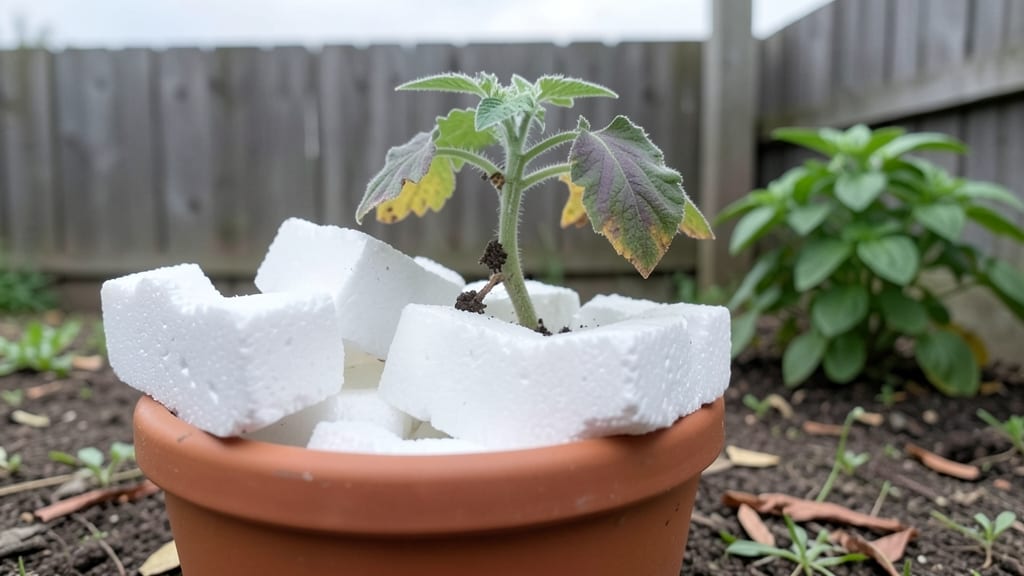
Styrofoam for planting creates stable seedling supports, enhances drainage through its porous cells, and helps maintain consistent moisture levels—but requires precise cutting to prevent root damage and should never be used long-term due to chemical risks and breakdown over time.
This lightweight material works wonders for starting seeds because its cellular structure mimics natural soil aeration while holding moisture better than bare pots. 🌱 The key is cutting clean sections (about 2-3 inches deep) to prevent overcrowding, which can lead to mold or stunted growth.
Many gardeners also line trays with newspaper for easier cleanup and biodegradability. For long-term planting, opt for peat pots or coconut coir instead—they break down safely when transplanted.
What I’ve found most helpful is using styrofoam for delicate seedlings like tomatoes or peppers, where the extra stability prevents toppling during early growth stages. Just remember: never reuse old packaging, as it may harbor bacteria or degrade into microplastics.
When in doubt, stick to food-grade styrofoam and discard after the first planting cycle.
💡 In This Article
- Styrofoam Planting Trays: Drainage and Weight Benefits Explained
- Safe Styrofoam Planting Techniques to Avoid Root Damage
Styrofoam planting trays: drainage and weight benefits explained
The cellular structure of styrofoam—composed of millions of tiny air pockets—creates a natural aeration system that mimics soil porosity. These interconnected voids allow excess water to drain efficiently while retaining just enough moisture at the roots.
For example, a standard 6-pack styrofoam tray with 1-inch deep cells can hold 30-50% more air than solid plastic containers, reducing the risk of root rot in moisture-sensitive plants like basil or lettuce.
The lightweight nature also means seedlings stay stable without the risk of toppling, even when watered from above.
Here's what's actually happening with drainage: The foam's closed-cell design prevents water from seeping into the material itself, so it stays in the soil medium. When you water, the excess flows through the bottom drainage holes (if present) or between the cells.
This is why styrofoam works better than solid plastic for plants that hate soggy roots—like succulents or herbs—where consistent moisture is critical but not saturation.
The weight advantage comes from its density: A full tray of seedlings weighs about 1/3 less than a comparable ceramic pot, making it easier to move without disturbing fragile root systems.
The modular design gives you precise control over seedling spacing. Each cell acts as an individual container, so you can plant seeds 1/4-inch deep with 1-2 inches between plants, exactly matching their mature spacing needs. This eliminates the guesswork of transplanting later.
For instance, planting marigolds in styrofoam cells spaced 2 inches apart ensures they'll have room to grow without crowding, just like they would in a garden bed. The trade-off?
Styrofoam holds moisture slightly longer than mineral soil, so you'll need to water 10-15% less frequently—but this is a double-edged sword for drought-sensitive plants.
What most people don't realize is how the foam's thermal properties work. Styrofoam insulates roots from temperature fluctuations, keeping them in a 65-75°F range even when outdoor temps swing. This is why it's ideal for starting seeds indoors during cool seasons.
However, the insulation can also trap heat if left in direct sunlight, so place trays on reflective surfaces or in partial shade. The material's buoyancy also makes it perfect for hydroponic setups where weight matters—each cell can float in water tables without sinking.
For moisture retention trade-offs, consider this: While styrofoam holds water better than bare pots, it doesn't regulate humidity like coco coir or peat moss. In dry climates, you might need to mist seedlings daily, whereas in humid areas, the foam can trap excess moisture.
The solution? Poke 2-3 small holes in the bottom of each cell to boost airflow without sacrificing drainage. This mimics natural soil conditions where water moves freely but roots stay hydrated.
Pro tip: Cut styrofoam trays into 2x2-inch squares for perfect-sized pots. The foam's rigidity keeps these mini-containers upright, preventing the "leaning tower" problem seen with flimsy plastic pots. 💫