
Size
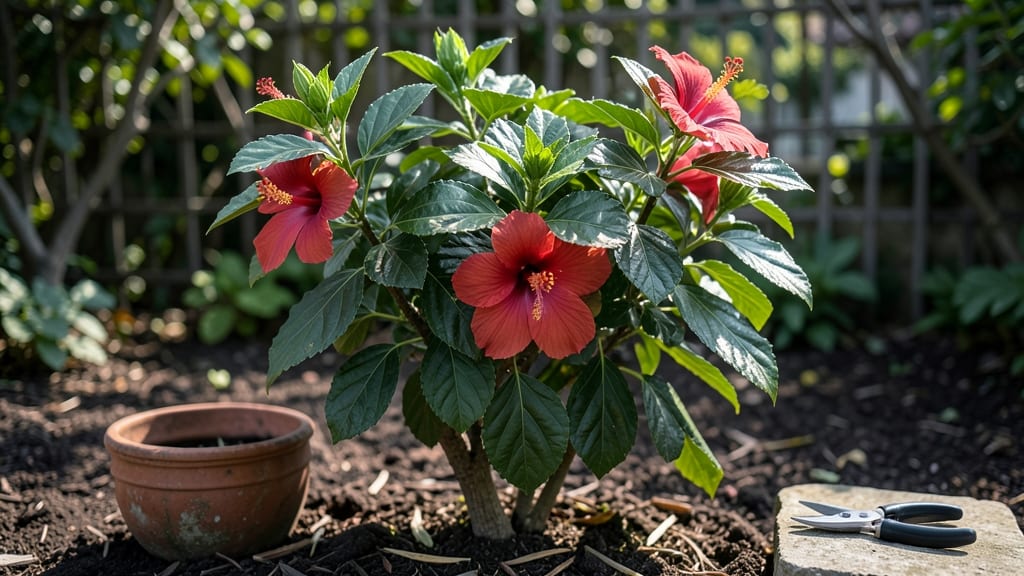
Growing a tall hibiscus plant as a living privacy screen changes your yard from neighborly to secluded in just a few seasons. 🌿 I planted mine last spring, and by summer, the glossy leaves already blocked the neighbor’s fence—now it’s a 12-foot wall of blooms and foliage that hummingbirds adore.
The best part? These plants thrive in zones 5-9, so whether you’re in the South or Midwest, they’ll deliver that lush, tropical vibe year after year.
Start with Hardy Hibiscus (Hibiscus moscheutos) or Rose of Sharon (Hibiscus syriacus)—both hit 8-12 feet tall with minimal fuss. They love full sun (6+ hours daily) and well-draining soil, so amend clay or sandy soil with compost before planting.
Space them 6-8 feet apart to give roots room to stretch, and mulch heavily to keep moisture consistent. Water deeply 2-3 times a week the first year, then taper off once established—they’re surprisingly drought-tolerant once mature.
By mid-summer, you’ll see clusters of 6-inch blooms in pink, white, or crimson, plus velvety foliage that stays vibrant even in heat waves. Prune lightly in late winter to shape the plant, and watch as it fills in gaps faster than any fence or lattice ever could.
The only trade-off? Bees and butterflies will camp out in your yard—consider that a bonus, not a bug.
Perfect for backyard privacy, foundation screens, or even a dramatic focal point near patios. Just avoid over-fertilizing (they bloom best with balanced care), and you’ll have a low-maintenance, high-impact garden feature that outshines anything store-bought. Ready to grow your own living wall?
📚 In This Guide
- What you need
- Instructions
- Tips and common mistakes
- Wrapping up and next steps
What you need
- ● Tall hibiscus plants (Hibiscus syriacus or similar): 3–5 healthy, disease-free saplings (6–12" tall) for a lush, full screen. Pro tip: 💡 Choose dwarf varieties (like 'Blue Chiffon' or 'Diana') if space is tight—they still grow 6–10 ft tall!
- ● Well-draining potting mix: 10–15 gallons (for planting) or 2–3 bags (for containers). Mix 50% garden soil + 50% compost for optimal nutrients.
- ● Organic fertilizer: 1 lb of balanced 10-10-10 or hibiscus-specific fertilizer (rich in phosphorus for blooms!).
- ● Mulch: 2–3 inches of wood chips or straw to retain moisture and suppress weeds.
- ● Garden trowel or spade (for planting).
- ● Watering can or hose with a gentle spray nozzle (hibiscus hates soggy roots!).
- ● Pruning shears (sharp, clean—sterilize with rubbing alcohol to prevent disease!).
- ○ Stakes or trellis (optional but helpful): 4–6 ft bamboo stakes or a metal lattice panel to support young plants.
- ● Gloves & knee pads (because gardening is hard work!).
- ● Sunlight: A full-sun spot (6+ hours/day). Hibiscus loves basking—think south- or west-facing walls!
- ● Space: Plant saplings 3–5 ft apart for a dense screen (closer = faster coverage!).
- ● Water source: Easy access to water for the first 2–3 weeks (daily deep watering!).
- ● Patience: Tall hibiscus grows 2–3 ft per year—but the first blooms appear in year 2 or 3!
Step-by-Step guide to growing towering hibiscus for year-round privacy
Here’s how to cultivate hibiscus that grows tall enough to block nosy neighbors—fast.
🌱 Step 1: Select the Right Variety and Plant in Full Sun
Choose hardy tropical hibiscus varieties like Hibiscus rosa-sinensis or Hibiscus syriacus—both can reach 10-15 feet with proper care. Plant in late spring after the last frost when soil warms to 65°F or higher. Dig a hole twice as wide as the root ball but no deeper to avoid burying the stem.
Amend the native soil with 3 inches of compost mixed into the bottom of the hole—hibiscus loves rich, well-draining soil. Space plants 6-8 feet apart for mature growth, giving them room to stretch skyward without competing for nutrients.
☀️ Step 2: Provide Full Sun and Wind Protection
Hibiscus demands 6-8 hours of direct sunlight daily—place them where they’ll bask in morning sun and afternoon light. If your climate has strong afternoon winds, stake young plants with 3-foot bamboo stakes tied loosely to the main stem to prevent snapping.
Watch for leaves curling or wilting—this signals insufficient light or dehydration. Mulch with 2-3 inches of wood chips around the base to retain moisture and regulate soil temperature. Avoid piling mulch against the stem to prevent rot.
💧 Step 3: Water Deeply and Fertilize for Rapid Growth
Water once a week during the first growing season, soaking the soil to 12 inches deep. Hibiscus roots run deep, so shallow watering stunts growth. Use a soaker hose to deliver water slowly at the base, avoiding wetting leaves to prevent fungal diseases.
Feed monthly with a balanced 10-10-10 fertilizer during spring and summer. In fall, switch to a low-nitrogen, high-phosphorus formula to encourage blooming. You’ll see new growth within 2-3 weeks if the plant is happy—look for fresh leaves emerging at the tips.
✂️ Step 4: Prune Strategically for Height and Bloom
Prune in early spring before new growth begins. Cut back one-third of the previous year’s growth to encourage bushier, taller stems. Remove any dead or crossing branches to improve airflow and reduce disease risk.
For an even taller screen, let the hibiscus grow naturally without heavy pruning—just trim back leggy branches in late summer. Deadhead spent blooms regularly to redirect energy into new growth rather than seed production.
🌿 Step 5: Winterize for Year-Round Privacy
In USDA Zones 8-10, hibiscus can overwinter outdoors with 3-4 inches of mulch around the base. In colder zones, wrap the plant in burlap and cover with a frost cloth once temperatures drop below 30°F. Water sparingly in winter to keep roots from drying out.
Prune lightly in early spring to remove any frost-damaged branches. With proper winter care, your hibiscus will rebound quickly in spring, ready to stretch toward the sky again.
Tips & tricks for towering hibiscus privacy screens
Here’s how to transform your hibiscus from a pretty shrub into a sky-scraping privacy powerhouse—without the guesswork!
The Soil Temperature Secret: Planting when soil reaches 65°F or higher isn’t just about avoiding frost—it’s about kickstarting root growth. Use a soil thermometer to confirm warmth before planting. In cooler climates, consider a black plastic mulch cover for a week before planting to warm the soil naturally. The roots will thank you with explosive vertical growth once established!
Sunlight Strategy: Those crucial 6-8 hours of direct sunlight don’t have to be consecutive! Split the sunlight into morning sun (3-4 hours) plus afternoon sun (3-4 hours) if your space has afternoon shade. Hibiscus is surprisingly adaptable—just avoid long stretches of deep shade, which stunts height growth dramatically. A south-facing window or patio works perfectly for container-grown specimens.
Watering Wisdom: The 12-inch deep watering in Step 3 might seem excessive, but hibiscus roots actually grow that deep seeking moisture. Use a long screwdriver to check moisture levels—if it comes out dry, water again. For container plants, ensure pots have drainage holes AND a saucer to catch excess water. Overwatering is just as dangerous as underwatering for these tropical beauties!
Pruning Game-Changer: When you cut back one-third of last year’s growth in early spring, aim for just above a leaf node or bud. This precise cut encourages new growth from that exact spot, creating bushier stems that will climb higher. For maximum height, avoid heavy pruning—focus on removing only dead or crossing branches. The less you prune, the more energy goes into vertical growth!
Pro Tips for Tall Hibiscus Plant
- Here’s how to transform your hibiscus from a pretty shrub into a sky-scraping privacy powerhouse—without the guesswork!
- The Soil Temperature Secret: Planting when soil reaches 65°F or higher isn’t just about avoiding frost—it’s about kickstarting root growth.
- Sunlight Strategy: Those crucial 6-8 hours of direct sunlight don’t have to be consecutive!
Frequently asked questions
Got questions about growing tall hibiscus plants? You’re not alone! Here are some of the most common queries—plus quick, practical answers to help you cultivate a stunning, sky-high privacy screen with ease.
How tall can a tall hibiscus plant grow?
A mature Hibiscus syriacus (commonly called rose of Sharon) can reach 8–12 feet tall, making it an excellent natural privacy screen. With proper pruning and care, some varieties even hit 15 feet! Dwarf cultivars stay around 3–5 feet, perfect for smaller spaces.
How long does it take for a tall hibiscus to grow?
Expect 3–5 years for full maturity and maximum height, though you’ll see noticeable growth in the first 1–2 years. Fast-growing varieties (like ‘Diana’) may fill out quicker, but patience pays off—thicker foliage and blooms take time! Plant in spring for the best head start.
Do tall hibiscus plants need full sun?
These plants thrive in full sun (6+ hours daily), but they tolerate partial shade (4–6 hours) in hot climates. Too little light? Expect fewer blooms and leggy growth. For privacy screens, prioritize south- or west-facing walls for optimal height and density.
When and how should I prune a tall hibiscus?
Prune late winter or early spring (before new growth) to shape the plant and encourage bushiness. Cut back 1/3 of the plant’s height to promote thicker growth. Avoid pruning after summer—it removes next year’s blooms! Use clean shears and disinfect cuts to prevent disease.
What pests or diseases should I watch for?
Common issues include:
- Aphids or spider mites: Spray with water or neem oil.
- Powdery mildew: Improve airflow; fungicide helps.
- Japanese beetles: Handpick or use organic traps.
Keep soil moist but not soggy—root rot is a risk in poorly draining areas. Healthy plants resist pests better!
Can I grow tall hibiscus in containers?
Yes, but expect slower growth (5–8 feet max). Use a large pot (15+ gallons) with drainage holes and a well-draining potting mix. Choose dwarf varieties like ‘Blue Chiffon’ for container gardens. Move pots to sunny spots and fertilize regularly for best results.
Wrapping up and next steps
Growing a tall hibiscus plant is your ticket to a lush, seasonal privacy screen that’s as stunning as it is functional! 🌿 Whether you’re drawn to its bold blooms or its impressive height, these plants deliver year-round curb appeal with minimal fuss.
With the right care—sunlight, soil, and a little patience—you’ll enjoy a thriving, sky-high garden feature that turns heads and blocks views.
Ready to transform your space? Start by selecting the perfect variety for your climate, then grab your gardening gloves and get planting! Your dream privacy screen is just a few seasons away—let’s make it happen!