
Picking
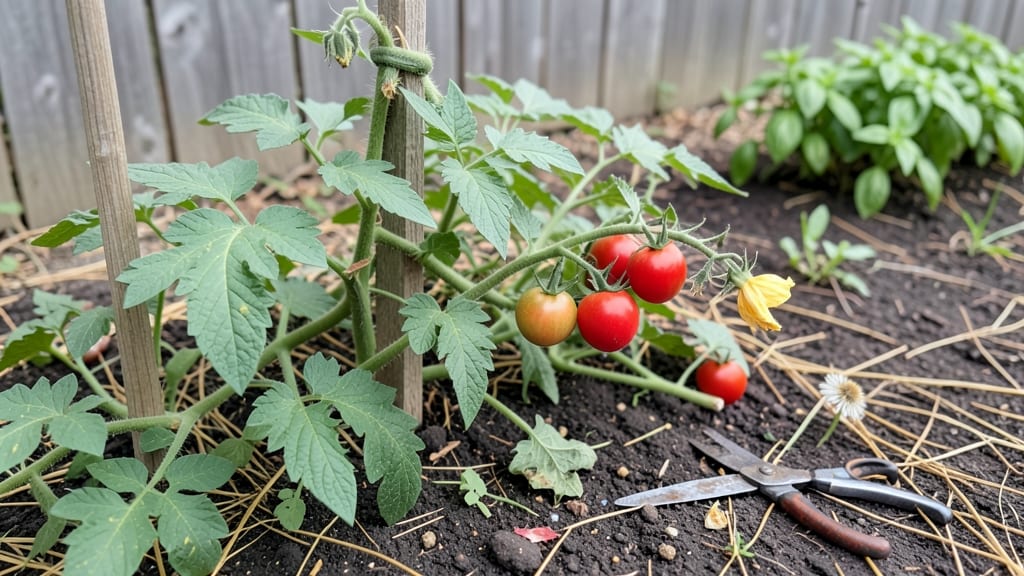
The secret to tomato plant harvesting lies in the moment—when your garden becomes a burst of juicy perfection, not a mushy disappointment. 🌱 I learned the hard way that waiting too long means mealy, bland fruit—while picking too early robs you of sweetness.
The secret lies in color, texture, and even the plant’s signals, not just size.
Most gardeners focus on red, but yellow, orange, and even green tomatoes can be perfect when fully ripe. Gently twist or cut stems to avoid damaging the plant, and always harvest in the morning when sugars are highest.
A single missed tomato can mean the difference between a burst of sweetness and a disappointing bite.
You’ll end up with tomatoes so flavorful they’ll make store-bought ones taste like cardboard. Proper harvesting extends the season—even green tomatoes can ripen indoors with a little patience. The key is consistency: check plants every other day once they start coloring up.
This method works for heirlooms, slicers, and cherry varieties alike, though some types (like beefsteaks) need extra care. Whether you’re in a hot southern summer or a cooler northern season, timing is everything. Let’s get those tomatoes at their peak!
📚 In This Guide
- What you need
- Instructions
- Tips and common mistakes
- Wrapping up and next steps
What you need
- ● Sharp pruning shears or scissors – Look for bypass pruners (8-10 inches) to avoid crushing stems.
- ○ Gloves (optional but recommended) – Wear lightweight, breathable gardening gloves to protect against thorns and dirt.
- ● Harvest basket or bucket – Use a shallow, breathable container (1-2 gallons) to prevent bruising.
- ○ Sharp knife or tomato picker (optional) – For larger or vine-ripened tomatoes, a blank">tomato picker (like the Fiskars Tomato Picker) makes harvesting easier.
- ○ Water spray bottle (optional) – For rinsing off dirt or pests before storing.
- ● Paper towels or cloth – To gently dry tomatoes before storage.
- ● Know your tomato variety – Determinate (bush) vs. indeterminate (vining) plants require different harvesting techniques.
- ● Check for ripeness – Use color, scent, and firmness as your guide (more on this in the blank">"When to Harvest" section!).
- ● Harvest on a dry, sunny day – Avoid picking after rain to prevent disease spread.
- ● Have storage space ready – Tomatoes ripen best at room temperature (55–75°F).
Step-by-Step guide to harvesting tomatoes at their best
Timing and technique make all the difference—here's how to pick tomatoes for maximum flavor.
🌿 Step 1: Know When Tomatoes Are Ready to Harvest
Tomatoes are ripe when they've reached their full color and yield slightly to gentle pressure. For most varieties, this means a deep, rich hue—red for heirlooms, yellow for yellow types, or purple for black varieties. I always press the tomato gently; it should feel firm but give just a little, like a ripe avocado.
Check for a few other clues: the stem should separate easily from the vine when you give it a slight twist, and the tomato should smell sweetly fragrant at the stem end. Harvesting too early means bland flavor, while waiting too long risks overripe, mealy fruit. I check my plants every morning after the dew dries—this is when the fruit is coolest and easiest to spot.
☀️ Step 2: Harvest at the Right Time of Day
Pick tomatoes in the morning when temperatures are cooler. The cooler air helps preserve their freshness longer, and the fruit hasn't been baking in the sun all day. I always use clean, sharp pruning shears or a small knife to cut the stem about ¼ inch above the fruit—this prevents damage to the plant.
Never pull tomatoes off the vine. Twisting or yanking can tear the plant and leave an open wound that invites disease. If you're harvesting a large number, I like to use a small basket lined with a soft cloth to prevent bruising. A gentle touch keeps the fruit looking perfect and tasting fresh.
💧 Step 3: Handle Harvested Tomatoes with Care
Once picked, place tomatoes in a single layer on a tray or in a breathable container. Crowding them together speeds up spoilage. I avoid refrigerating tomatoes until they're fully ripe—cold temperatures can dull their flavor. Instead, I store them at room temperature in a well-ventilated spot, like a fruit bowl or on a kitchen counter.
If you have an abundance, you can slow ripening by storing them in a paper bag with a banana or apple. The ethylene gas from the fruit will help ripen any unripe tomatoes inside. Just check them daily to avoid overripening. For tomatoes that are already ripe, keep them out of direct sunlight and away from other fruits that release ethylene, like bananas or apples.
✂️ Step 4: Decide When to Harvest Green Tomatoes
If frost threatens before your tomatoes fully ripen, harvest them green and let them ripen indoors. Look for tomatoes that have started changing color or are mostly green with a few yellow or orange spots. These will ripen best indoors. I place them in a paper bag with a ripe banana and check them every few days until they reach the desired color.
If you're planning to cook with green tomatoes, harvest them when they're firm and fully grown. They'll keep for several weeks in a cool, dark place. For slicing or eating fresh, wait until they've ripened indoors. Green tomatoes won't improve in flavor if left on the vine too long—they'll just get tougher and more bitter.
🌱 Step 5: Maintain Your Tomato Plant After Harvesting
After harvesting, keep an eye on your tomato plant. Prune any diseased or yellowing leaves to encourage new growth and prevent the spread of pests. I also fertilize lightly with a balanced, water-soluble fertilizer to replenish nutrients the plant used during fruiting. Water deeply but less frequently to encourage strong root growth.
Continue harvesting regularly to keep the plant producing. If you notice new flower clusters forming, your plant is still putting energy into growth. I always remove any suckers that form in the leaf axils to direct the plant's energy toward fruit production. With proper care, a well-maintained tomato plant can keep producing for weeks after the first harvest.
Tips & tricks for perfect tomato plant harvesting
These little details make all the difference between garden-fresh tomatoes and store-bought disappointments.
The Ripeness Test: In Step 1, when checking for ripeness, I learned the hard way that color alone isn't enough. The gentle squeeze test is crucial—press your thumb against the tomato. It should feel firm but give slightly, like pressing a ripe peach. Overripe tomatoes will feel mushy, while underripe ones will feel rock-hard. Also, check the stem end: it should smell sweetly fragrant, not sour or fermented.
Harvesting Technique: Never twist or pull tomatoes off the vine as mentioned in Step 2—this can damage the plant. Instead, use clean pruning shears or a sharp knife to cut the stem about ¼ inch above the fruit. This clean cut prevents disease entry points and helps the plant heal faster. For large harvests, I always use a soft cloth-lined basket to prevent bruising.
Storage Wisdom: When storing harvested tomatoes in Step 3, I've found that a single layer on a tray works best. Crowding them together speeds up spoilage because ethylene gas can't circulate properly. For unripe tomatoes, the paper bag trick with a banana is genius—it speeds up ripening naturally. But remember, once ripe, keep them away from ethylene-producing fruits like apples or bananas to prevent overripening.
Frost Protection Strategy: If frost threatens before your tomatoes ripen, as mentioned in Step 4, harvest the green ones with some color change. Place them in a paper bag with a ripe banana and check them every 2-3 days. The ethylene from the banana helps ripen them indoors. For cooking, harvest firm green tomatoes—they'll keep for weeks in a cool, dark place.
Pro Tips for Tomato Plant Harvesting
- These little details make all the difference between garden-fresh tomatoes and store-bought disappointments.
- The Ripeness Test: In Step 1, when checking for ripeness, I learned the hard way that color alone isn't enough.
- Harvesting Technique: Never twist or pull tomatoes off the vine as mentioned in Step 2—this can damage the plant.
Frequently asked questions
Got questions about harvesting your tomatoes?
You’re not alone! Here are answers to the most common concerns—from timing to troubleshooting—to help you pick perfect, flavor-packed tomatoes every time.
When is the best time to harvest tomatoes?
Harvest tomatoes when they’re fully colored and slightly soft to the touch (but not mushy). For heirloom varieties, wait until they’re deep red, yellow, or their mature hue. Pro tip: Morning harvests prevent overripening and bruising from heat.
How do I know if a tomato is ripe enough to pick?
Check for these signs: smooth skin (no green shoulders), a slight give when gently squeezed, and a vibrant color. Some varieties (like cherry tomatoes) may stay firm but turn deep red. Warning: Overripe tomatoes (sunken spots, wrinkles) lose flavor and texture fast!
Can I harvest tomatoes before they’re fully red?
Yes! Green tomatoes can ripen off the vine in a cool, dark place (like a paper bag with a banana). Avoid refrigerating them—cold stops ripening. For heirlooms, harvest at the "breaker" stage (first color appears) if frost threatens.
What’s the best way to pick tomatoes without damaging the plant?
Use pruning shears or twist gently at the stem (don’t pull!). Leave a small stem attached to prevent rot. For large tomatoes, support the vine with one hand to avoid snapping branches. Bonus: Harvest early in the day to reduce sunscald risk.
Why are my tomatoes cracking or splitting?
Cracking happens from uneven watering (too much after dry spells) or inconsistent soil moisture. Mulch plants to retain moisture, water deeply but infrequently, and harvest overripe tomatoes promptly. Varieties like ‘Sungold’ are less prone to splitting.
How do I store freshly harvested tomatoes?
Store at room temp (not the fridge!) in a single layer to avoid bruising. For long-term storage, place in a paper bag with a banana (ethylene gas speeds ripening). Refrigerate only if fully ripe—cold turns them mealy and bland.
Wrapping up and next steps
Harvesting your tomato plants at the right time ensures juicy, flavorful fruits that reward all your hard work! 🍅 Whether you're a seasoned gardener or just starting, remember to pick consistently, handle gently, and store properly to enjoy the best results.
Now that you’re armed with the know-how, there’s no better time to head outside, grab your basket, and savor the fruits of your labor—literally!
Ready to take it further? Experiment with different varieties, try preserving your harvest, or even share your bounty with neighbors! Happy harvesting! 🌱