Plants
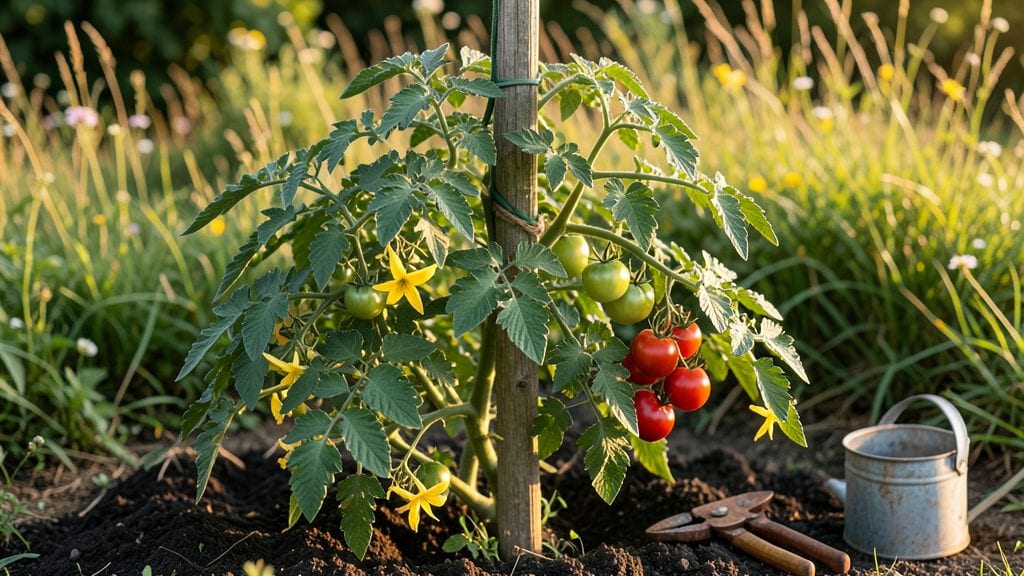
My tomato plants looked like they’d given up last summer—drooping leaves, spots, and zero fruit. 🌱 Turns out, tomato plant health isn’t about luck; it’s about spotting problems early and fixing them right. The good news? Most issues have simple, organic solutions that work fast.
Wilting leaves? Often it’s blight or too much water. Yellowing? Probably nitrogen deficiency or overwatering. And those tiny green bugs? Aphids love tomatoes. The key is checking plants every few days—especially after rain or when they start looking off.
Most problems get worse if you wait, but they’re easy to reverse.
With the right mix of pruning, mulching, and targeted sprays (like neem oil or homemade garlic spray), you’ll see leaves perk up in days. I went from nearly losing my plants to harvesting 20 pounds of tomatoes—all by fixing what I’d ignored before.
The best part? No chemicals, just smart care.
Whether you’re dealing with blight, pests, or just slow growth, these fixes work for every stage of the season. Let’s get your tomatoes back on track—before another leaf wilts.
Root Causes Of Leaf Stress
Understanding why your tomato plants develop wilted leaves or other signs of poor health starts with identifying the underlying triggers. These issues rarely appear out of nowhere—they’re usually a response to environmental, biological, or cultural stressors.
Let’s break down the most common culprits, why they happen, and how they disrupt your plants’ natural processes.
Tomatoes thrive in warm conditions, but extreme heat—especially when combined with dry soil—can cause leaves to wilt, turn crispy, or develop sunburn spots. Here’s why:
- Transpiration Overload: When temperatures exceed 90°F (32°C), the stomata (tiny pores on leaves) struggle to regulate water loss.
The plant loses more water than it can absorb, leading to wilting—even if the soil is moist. - Enzyme Disruption: Heat stress denatures enzymes responsible for photosynthesis (like Rubisco), slowing energy production.
This weakens the plant’s ability to repair damage. - Root Suffocation: Hot soil bakes the roots, reducing their ability to uptake water and nutrients. Compacted or mulch-less soil traps heat, worsening the issue.
💡 Pro Tip: Use shade cloth (30-50%) during peak afternoon sun, and mulch heavily with straw or grass clippings to keep roots cool.
Water is the lifeblood of tomato plants, but improper hydration is a leading cause of leaf stress. Here’s how it happens:
| Issue | Why It Happens | Signs to Watch For |
|---|---|---|
| Underwatering | Soil dries out, roots can’t absorb water fast enough. Cells lose turgor pressure. | Dry, crispy edges; leaves curl upward (🌿➡️🍂). |
| Overwatering | Soggy soil cuts off oxygen to roots, leading to root rot (fungal/bacterial). | Yellowing lower leaves; mushy stems; foul smell. |
| Inconsistent Watering | Uneven moisture causes osmotic shock, where roots struggle to balance uptake. | Wilting that recovers briefly after watering. |
⚠️ Warning: Tomatoes need 1-2 inches of water per week, but drip irrigation (not overhead) is key to avoid fungal diseases.
Pathogens thrive in moist, warm conditions and attack weak or stressed plants. Common culprits include:
- Early Blight (Alternaria solani)
- Why it happens: Spores splash onto lower leaves from infected soil or debris. High humidity (75%+) and temperatures 60-85°F (15-29°C) create perfect growth conditions.
- Leaf reaction: Brown, concentric rings with yellow halos.
- Fusarium Wilt (Fusarium oxysporum)
- Why it happens: Soilborne fungus clogs xylem vessels (water-conducting tubes), blocking nutrient flow. Spreads via contaminated tools or infected plants.
- Leaf reaction: Sudden wilting (even with wet soil); vascular discoloration (brown streaks in stems).
- Bacterial Spot (Xanthomonas perforans)
- Why it happens: Bacteria enter through wounds (e.g., hail, pruning) and multiply in wet foliage. Thrives in 75-95°F (24-35°C).
- Leaf reaction: Tiny, water-soaked spots that turn crusty and brown.
🔥 Prevention: Rotate crops, sterilize tools with 10% bleach solution, and avoid overhead watering.
Pests like aphids, spider mites, and whiteflies don’t just eat leaves—they inject toxins and disrupt plant physiology. Here’s how:
- Aphids & Whiteflies: Piercing-sucking mouthparts inject saliva that triggers phytoalexins (plant defense chemicals), causing curls, stunted growth, and honeydew (a sugary film that attracts mold). - Spider Mites: Thrive in dry, hot conditions (85°F+).
Their feeding destroys chlorophyll, leading to bronzing or silvering of leaves. - Tomato Hornworms: While they chew leaves, their frass (droppings) can block stomata, reducing gas exchange.
🌡️ Quick Fix: Blast pests off with water spray (early morning), or introduce beneficial insects like ladybugs or lacewings.
Tomatoes are heavy feeders, and imbalances show up fast. Common issues:
- Nitrogen (N) Deficiency
- Why it happens: Poor soil or over-pruning removes foliage (where N is stored). Leaves turn yellow (chlorotic) from the bottom up.
- Fix: Side-dress with compost or blood meal (high-N organic fertilizer).
- Potassium (K) Deficiency
- Why it happens: K regulates osmotic pressure and drought resistance. Low K = weak cell walls and edge scorching.
- Fix: Use wood ash or greensand (natural K sources).
- Calcium (Ca) Deficiency
- Why it happens: Poor soil drainage or low pH (<6.0) prevents Ca uptake. Leads to blossom-end rot (black, sunken spots on fruit) and leaf cupping.
- Fix: Apply crushed eggshells or gypsum (calcium sulfate).
- Toxicity (e.g., Chlorosis from Iron or Manganese)
- Why it happens: Alkaline soil (pH >7.0) locks out micronutrients. Leaves turn yellow between veins (interveinal chlorosis).
- Fix: Add chelated iron or sulfur to lower pH.
Tomatoes are delicate when young or stressed. Wind and mechanical harm trigger:
- Leaf Tear or Abrasion: Strong winds or brushing against fences ruptures cell walls, making plants vulnerable to pathogens.
- Root Disturbance: Transplant shock or cultivating too close to stems severs fine roots, reducing water uptake.
- Hail or Frost: Sudden temperature drops (<32°F/0°C) cause ice crystal formation in cells, leading to blackened, mushy leaves.
🛡️ Solution: Use windbreaks (e.g., cornstalks or mesh), stake plants early, and cover with frost cloth if needed.
Quick Fixes for Tomato Troubles
When your tomato plants show signs of stress, acting fast can mean the difference between a thriving harvest and lost produce. Below are practical, step-by-step solutions tailored to the most common tomato plant issues—plus prevention tips to keep your garden lush and productive.
Cause: Lack of nitrogen, magnesium, or iron (or soggy roots from overwatering). Solution:
- 🔥 Test Your Soil – Use a simple soil kit to check pH (ideal: 6.0–6.8). If too acidic (below 6.0), amend with lime (for magnesium deficiency). If too alkaline (above 7.0), add sulfur or peat moss.
- 🍳 Feed with the Right Nutrients:
- Nitrogen (Yellow Bottom Leaves): Use a balanced fertilizer (10-10-10) or compost tea every 2–3 weeks.
- Magnesium (Yellow Edges): Sprinkle Epsom salt (1 tbsp per gallon of water) around the base every 2 weeks.
- Iron (Yellow New Leaves): Apply chelated iron or spray iron sulfate on leaves.
- 💧 Adjust Watering: Water deeply once a week (or when the top inch of soil is dry). Avoid wetting leaves to prevent fungal diseases.
💡 Prevention Tip:
- Mulch with straw or grass clippings to retain moisture and prevent nutrient runoff.
- Rotate crops every 3 years to avoid soil depletion.
Cause: Calcium deficiency (often from inconsistent watering or poor soil structure). Solution:
- 👨🍳 Calcium Boost: Mix 1 tbsp of crushed eggshells or calcium nitrate into the soil around plants. For urgent fixes, spray calcium chloride (1 tsp per gallon) on leaves.
- 🌡️ Keep Soil Moist (But Not Soggy): Water consistently—tomatoes need 1–2 inches of water per week. Use drip irrigation to avoid fluctuations.
- ⏰ Prune Wisely: Remove suckers (side shoots) to reduce stress on the plant.
💡 Prevention Tip:
- Add compost before planting to improve soil structure.
- Avoid heavy fertilizers (like high-nitrogen ones) early in the season—they delay calcium uptake.
Cause: Root stress from too much/wrong water, heat stress, or fungal/bacterial infections (like early blight or fusarium wilt). Solution:
- 🔪 Check the Roots (Gently!):
- Underwatering: Water deeply at the base (not overhead). Use a moisture meter to monitor soil.
- Overwatering: Let soil dry slightly between waterings. Improve drainage with perlite or sand.
- 🌡️ Beat the Heat: Provide afternoon shade (use shade cloth) during extreme heat (above 90°F). Mulch to keep roots cool.
- 🍄 Treat Fungal Issues:
- Prune infected leaves immediately and sterilize tools with rubbing alcohol.
- Spray neem oil (1 tsp per quart of water) or baking soda mix (1 tbsp baking soda + 1 quart water + a drop of dish soap) weekly.
💡 Prevention Tip:
- Space plants 18–24 inches apart for airflow.
- Rotate planting locations yearly to prevent soil-borne diseases.
Cause: Chewing insects (hornworms, slugs) or sucking pests (aphids, whiteflies) drain nutrients. Solution:
- 🍳 Manual Removal (Best First Step!):
- Handpick hornworms (drop in soapy water).
- Wipe off aphids with a damp cloth or blast off with water.
- 🔥 Natural Repellents:
- Spray soapy water (1 tsp mild soap per quart) for soft-bodied pests.
- Diatomaceous earth (food-grade) around the base deters slugs and crawling insects.
- 🌿 Companion Planting:
- Basil, marigolds, or nasturtiums repel pests naturally.
💡 Prevention Tip:
- Inspect plants weekly (especially undersides of leaves).
- Encourage beneficial insects like ladybugs and lacewings with dill or fennel in your garden.
🎯 Pro Tip: When in doubt, start with soil health—most tomato troubles trace back to poor drainage, nutrient imbalances, or watering mistakes. A little prevention goes a long way!
Frequently asked questions about keeping tomato plants thriving
Why are my tomato leaves turning yellow from the bottom up?
This is usually a sign of nitrogen deficiency or overwatering. Check the soil—if it stays soggy, roots may be suffocating. Try side-dressing with compost or a balanced organic fertilizer (like 10-10-10), and water only when the top inch of soil feels dry.
What’s the best way to prevent fungal diseases like early blight?
Keep leaves dry by watering at the base (not overhead) and spacing plants 18-24 inches apart for airflow. Use mulch to prevent soil splashing onto foliage, and apply a preventive spray of neem oil or baking soda mix weekly during humid weather.
Can I still save my tomatoes if they develop blossom-end rot?
Yes! Blossom-end rot is caused by calcium deficiency from inconsistent watering. Sprinkle crushed eggshells around the base and water deeply but consistently (1-2 inches per week). Remove affected fruits to redirect the plant’s energy to healthy ones.
How do I tell if my tomato plants need more sun or less?
Wilting or crispy leaves in hot afternoons mean too much sun—use shade cloth (30-50%) during peak hours. Pale, leggy plants with few leaves? They need more sunlight (6-8 hours daily). Adjust stakes or move containers to sunnier spots.
Are coffee grounds really good for tomato plants?
Yes, but use them wisely! Coffee grounds add nitrogen and improve soil structure, but too much can acidify soil. Mix 1 cup per plant into the soil monthly, or use brewed coffee as a foliar spray (diluted 1:10 with water) to deter pests.