
Pruning
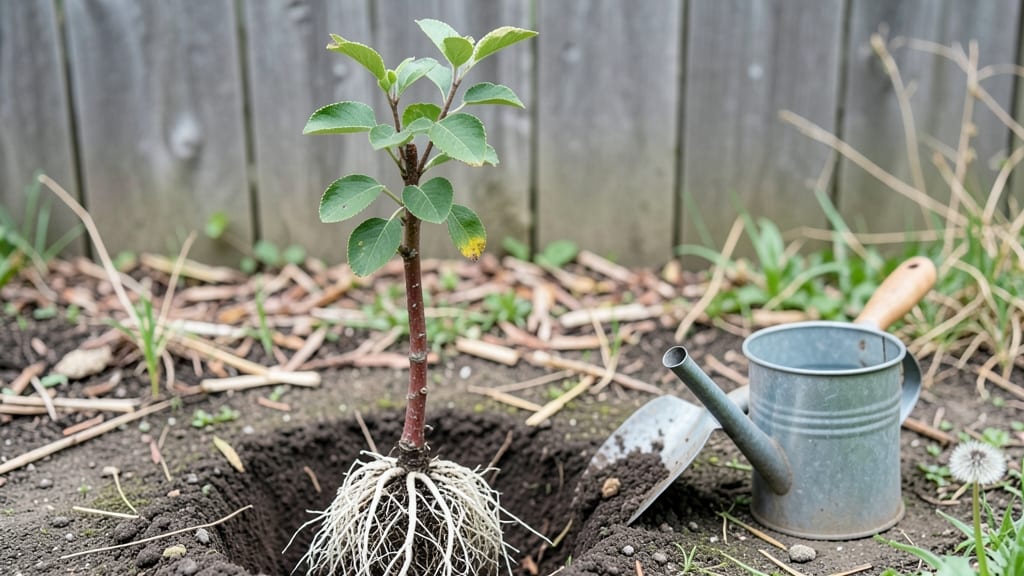
Here are some tree planting tips that’ll help you skip the sapling graveyard and grow a tree that thrives for decades—starting with the root-deep secrets I learned after killing my first three. 🌱 The difference between a tree that flops and one that grows strong comes down to timing, soil prep, and a few simple but often-missed steps that most guides skip.
I’ll walk you through the exact process that’s worked for me in Zone 6—whether you’re planting a shade maple or a fruit tree in your backyard.
First, pick the right tree for your space and climate—size matters more than most people realize. Dig a hole twice as wide as the root ball but no deeper, because compacted soil at the bottom strangles roots before they even start.
Amend the native soil with compost only if it’s heavy clay or pure sand, and avoid adding fertilizer at planting time (roots burn before they grow).
Water deeply right after planting, then again every 3-4 days until the tree’s established—think of it like giving your new plant a drink, not a bath.
What you’ll end up with is a tree that doesn’t need constant babying—no wilting, no leaning, just steady growth. The mulch ring you create now will protect roots from temperature swings and keep weeds at bay for years.
Even better, you’ll avoid the common pitfalls that turn $50 trees into $50 firewood within a year. This method works for container-grown trees, bare-root stock, or balled-and-burlapped plants, so you’re covered no matter what you’re planting.
Seasonal timing is everything: spring and fall are ideal, but avoid planting when temperatures swing above 90°F or below freezing. In colder climates, wait until after the last frost; in warm zones, plant during the rainy season.
The key is giving roots time to settle before summer’s heat or winter’s freeze hits. Once you’ve mastered these steps, you’ll plant trees that outlive you—and that’s a legacy worth growing.
📚 In This Guide
- What you need
- Instructions
- Tips and common mistakes
- Wrapping up and next steps
What you need
- ● Tree sapling or seedling: Choose 1-3 healthy, disease-free plants (size depends on species—smaller for young trees, larger for established ones).
- ● Shovel or digging spade: A round-point shovel (16–20 inches wide) for digging holes or a digging bar for tougher soil.
- ● Garden gloves: Heavy-duty, nitrile-coated gloves to protect hands from thorns, dirt, and splinters.
- ● Watering can or hose: With a gentle spray nozzle (1-2 gallons capacity) for post-planting hydration.
- ● Mulch: 3-4 inches of organic mulch (wood chips, straw, or shredded bark) to retain moisture and suppress weeds.
- ● Compost or fertilizer: A balanced, slow-release fertilizer (10-10-10 or organic options like bone meal for nitrogen).
- ○ Stakes and ties (optional but recommended for young trees): 2-3 wooden or metal stakes (4–6 feet tall) and soft tree ties (not wire!).
- ● Soil test kit: Check pH and nutrient levels—adjust with lime or sulfur if needed.
- ● Root stimulator: A mycorrhizal fungi powder or seaweed extract to boost root growth.
- ● Tree guard or protective barrier: Metal or plastic tree rings to deter gnawing pests.
- ● Wheelbarrow: For hauling mulch, soil, or tools to the planting site.
- ● Knee pads: Because every gardener deserves comfort! 😉
Step-by-Step instructions for planting trees like a pro
Here's the foolproof method I use to plant trees that thrive for decades.
🪴 Step 1: Dig the Perfect Hole
Start by measuring the root ball—it should be twice as wide as the container the tree came in. Use the shovel to dig a hole that's 2-3 times wider than the root ball but only as deep as the container's height. This prevents the tree from sitting too low in the ground, which causes rot.
Loosen the sides of the hole with the shovel to create a "cone" shape. This helps roots spread outward naturally. I always step back and check the depth—if the hole is too shallow, the tree will struggle to anchor itself. Remove any rocks or debris from the bottom.
🌱 Step 2: Prepare the Tree for Planting
Soak the root ball for 15-30 minutes before planting to hydrate the roots. While it soaks, gently loosen any circling roots with your fingers—these can strangle the tree as it grows. If the tree is in a container, run your fingers along the inside edges to release compacted soil.
Check the root flare—the point where the roots meet the trunk—should sit 1-2 inches above the surrounding soil level. If the flare is buried, the tree will suffocate. Use a level to ensure the hole is perfectly even, so the tree grows straight.
💧 Step 3: Plant and Water Deeply
Place the tree in the hole, ensuring the root flare is at the correct height. Fill the hole with the native soil, tamping it down gently with your foot every 4-6 inches to remove air pockets. Stop when the hole is half full, then water deeply to settle the soil.
Finish filling the hole, tamping again as you go. Water a second time to ensure the soil is evenly moist. Avoid compacting the soil too tightly—you want it firm but not rock-hard. A good test is pressing your thumb into the soil; it should hold its shape but still feel slightly springy.
☀️ Step 4: Mulch and Protect the Tree
Spread 2-3 inches of mulch over the soil surface, keeping it 6 inches away from the trunk to prevent rot. Use organic mulch like wood chips or shredded bark. This helps retain moisture and regulates soil temperature while suppressing weeds.
Water the tree again to settle the mulch and ensure the root zone stays moist. Install a tree guard or stake the tree lightly if needed, but avoid tying it too tightly—roots need room to expand. A loosely tied stake with a soft tie helps support young trees without restricting growth.
⏰ Step 5: Monitor and Maintain
Water the tree once a week for the first year, giving it 10-15 gallons of water per session. Check the soil 2 inches below the surface—if it's dry, water again. Overwatering is just as harmful as underwatering, so let the soil dry slightly between waterings.
Fertilize lightly in the second year with a slow-release, balanced fertilizer. Avoid heavy fertilization in the first year—new roots are sensitive and can burn. Prune only to remove dead or crossing branches, and avoid heavy pruning until the tree is established.
Tips & tricks for perfect tree planting
These game-changing techniques will help you avoid common planting mistakes and give your trees the best possible start.
Soaking Secret: That 15-30 minute soak in Step 2 is non-negotiable for young trees. For container-grown trees, I like to soak them in a bucket of water while I prepare the hole. This ensures the entire root ball gets hydrated—not just the surface. Pro tip: If planting in dry conditions, extend the soak to 45 minutes for extra moisture retention.
Root Flare Matters: I can't stress this enough—the root flare should always sit 1-2 inches above the soil line after planting. If you bury it, the tree will suffocate. Here's a trick: Use a level on the hole sides before planting to ensure perfect positioning. Even a slight dip can cause long-term problems.
Tamping Technique: When filling the hole in Step 3, think "gentle pressure" not "compacted dirt." I tap the sides with my shovel handle after every 4-6 inches to break up air pockets without creating a concrete-like base. The thumb test is foolproof—soil should hold shape but still feel slightly springy.
Mulch Placement: That 2-3 inch layer of mulch in Step 4 is your tree's moisture blanket. Keep it 6 inches away from the trunk to prevent rot—this is critical. I use a rake to create a small berm around the trunk to keep mulch in place, especially in windy areas. This simple step can double your water retention.
Pro Tips for Tree Planting Tips
- These game-changing techniques will help you avoid common planting mistakes and give your trees the best possible start.
- Soaking Secret: That 15-30 minute soak in Step 2 is non-negotiable for young trees.
- Root Flare Matters: I can't stress this enough—the root flare should always sit 1-2 inches above the soil line after planting.
Frequently asked questions
Got questions about planting trees? You’re not alone! Here are answers to the most common queries to help you grow a thriving tree with confidence.
When is the best time to plant a tree?
The ideal window is early spring or fall—when soil is moist but not frozen, and temperatures are mild. Avoid extreme heat (summer) or cold (winter), as these stress young roots. Pro tip: Plant bare-root trees in early spring for faster establishment.
How deep should I plant the root ball?
Dig a hole twice as wide as the root ball but only as deep. The top of the root flare (where roots meet the trunk) should sit 1–2 inches above ground level. Over-deep planting can suffocate roots, while too-shallow planting exposes them to drying out.
How often should I water a newly planted tree?
Water deeply 2–3 times per week for the first year, soaking the root zone (about 12–18 inches down). Avoid light, frequent watering—it encourages shallow roots. Mulch 2–3 inches thick around the base (keep it 6 inches from the trunk) to retain moisture.
Can I plant a tree in a small yard or container?
Yes! Choose dwarf or columnar varieties (like Japanese maples or ‘Fastigiata’ oaks) for tight spaces. For containers, use a 50-gallon pot minimum, ensure proper drainage, and repot every 2–3 years. Dwarf fruit trees (e.g., columnar apple trees) thrive in urban settings!
My tree’s leaves are yellowing—what’s wrong?
Yellow leaves often signal overwatering, underwatering, or nutrient deficiency. Check soil moisture (stick your finger 2 inches down—if dry, water; if soggy, hold off). Apply a balanced fertilizer (like 10-10-10) in early spring if growth is slow. Pests (like spider mites) can also cause yellowing—inspect undersides of leaves.
Wrapping up and next steps
Planting trees is more than just a green thumbs-up—it’s a meaningful way to nourish your landscape, support wildlife, and even combat climate change! 🌱 From choosing the right species to mastering soil prep and aftercare, these tree planting tips set you up for long-term success.
Whether you're a novice or a seasoned gardener, every tree you plant makes a difference.
Ready to take action? Start small—plant one tree this season and watch it grow into a thriving part of your ecosystem. Need more inspiration? Explore local tree giveaways, join a community reforestation project, or dive deeper into advanced pruning techniques to keep your trees healthy for decades.
Your roots—and the planet—will thank you!