
Pruning
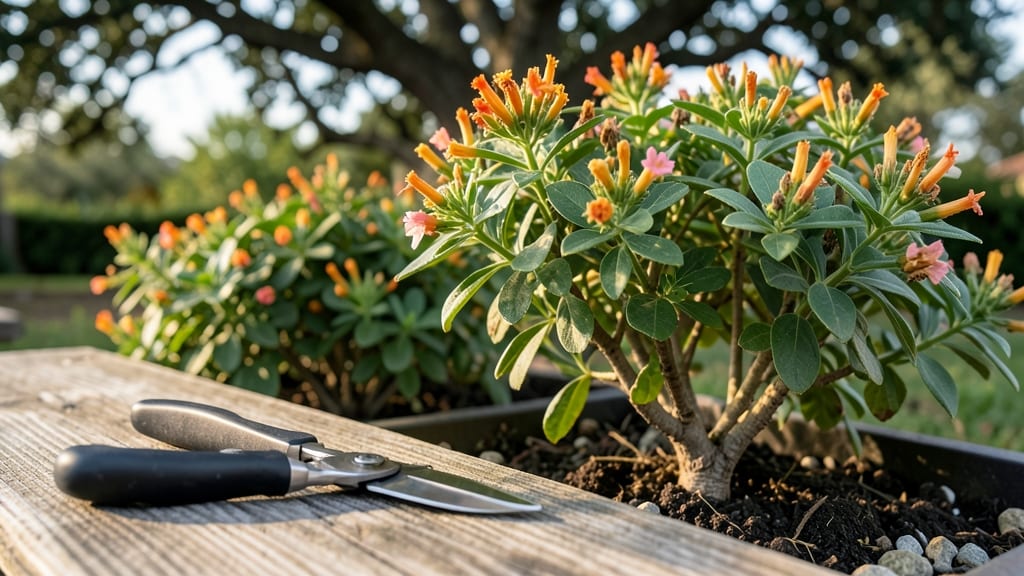
Trimming lantana plants isn't just about keeping them tidy—it’s the secret weapon for nonstop blooms that make your yard look like a tropical paradise all year. 🌺 I’ve watched my lantana go from a scraggly mess to a bushy, flower-covered powerhouse just by following a few simple cuts at the right time.
The key isn’t just when you trim, but how—whether you’re pinching back new growth or giving it a hard prune to rejuvenate after winter.
You’ll need sharp bypass pruners, a pair of gloves (those thorns don’t play nice), and about 20 minutes for a medium-sized plant. The tools matter—dull shears tear stems and invite disease, while clean cuts heal faster.
Start by removing dead or leggy branches first, then shape the plant by cutting just above a leaf node or bud. This encourages new growth and keeps the plant compact, so it doesn’t flop over under the weight of those bright flowers.
By the time you’re done, your lantana will look like it just got a spa day—fuller, bushier, and ready to burst into color. The blooms come faster too, because pruning removes spent flowers and signals the plant to focus energy on producing more.
Plus, you’ll avoid the sad, woody stalks that turn a once-vibrant plant into a stick collection. Think of it as a reset button for your lantana’s best performance.
This works for both bush and trailing varieties, whether you’re dealing with a single plant or a whole hedge. The only rule? Don’t go overboard—lantana’s tough, but even it can’t bounce back from being sheared to the ground.
A little strategic trimming goes a long way, and before you know it, your yard will be the talk of the neighborhood for those cheerful, butterfly-magnet blooms.
📚 In This Guide
- What you need
- Instructions
- Tips and common mistakes
- Wrapping up and next steps
What you need
- ● Pruning shears or bypass pruners – Sharp, bypass-style shears (4-6" blades) for clean cuts on stems up to ½ inch thick.
- ● Loppers – For thicker stems (½–1½ inches), opt for bypass loppers with a 10-12" reach.
- ● Gloves – Heavy-duty, gardening gloves (nitrile-coated) to protect against thorns and sap.
- ○ Disinfectant (optional but recommended) – 70% isopropyl alcohol or a gardening disinfectant spray to sterilize tools between cuts and prevent disease.
- ● Heavy-duty trash bags or compost bin – For disposing of pruned branches (lantana can be invasive—never compost unless you’re certain it’s contained!).
- ● Watering can or hose – To hydrate plants before and after pruning.
- ● Hand pruners with ratcheting mechanism – For easier cutting of thick, woody stems.
- ● Knee pads or stool – If your lantana is tall or ground-level pruning is needed.
- ● Plant food or fertilizer – A balanced, slow-release fertilizer (10-10-10 or similar) to nourish plants post-prune.
- ● Mulch – Organic mulch (like shredded bark) to retain moisture and suppress weeds after trimming.
- ● Safety glasses – If working with overgrown, thorny lantana to protect your eyes.
Step-by-Step guide to trimming lantana plants for year-round blooms
Lantana thrives with regular pruning—here’s how to keep it lush and flowering all season.
✂️ Step 1: Prune Back Hard in Early Spring
Start by cutting back the entire plant by one-third to one-half its height using sharp, clean pruners. This jumpstarts new growth and encourages dense, bushy stems. I like to do this in late February or early March, just as new shoots begin to appear. You’ll see fresh green buds forming within 2-3 weeks—that’s your signal the plant is responding well.
Focus on removing any dead, damaged, or crossing branches first. These compete for energy and can block sunlight from reaching the center of the plant. If your lantana grew leggy over winter, this is the time to correct it. Just avoid cutting into old, woody stems—new growth will emerge from the younger, softer wood.
🌿 Step 2: Light Pruning After Each Flowering Cycle
Lantana blooms continuously, so after each flush of flowers fades, give it a light trim to keep it compact. Pinch back the tips of new growth by 1-2 inches to encourage branching. This is where you’ll see the magic happen—more stems mean more flowers. I do this every 4-6 weeks, or whenever I notice stems stretching too tall or flowers becoming sparse.
Use your fingers to pinch small stems instead of cutting—it’s faster and less stressful on the plant. For thicker branches, snip just above a leaf node (the bump where leaves attach). Avoid removing more than 20% of the plant’s foliage at once, or you’ll shock it into dormancy.
✂️ Step 3: Shape and Thin in Late Summer
By mid-to-late summer, lantana often gets overgrown and woody. This is the time to shape it into your desired form—whether that’s a rounded bush or a more formal hedge. Cut back the longest stems by one-third, focusing on the outer edges to open up the center for airflow. You’ll notice new side shoots forming within 10-14 days.
Remove any stems that are rubbing against each other or growing inward—they’ll create weak spots and invite disease. If your lantana is looking sparse, thin out the oldest, thickest stems at the base to encourage younger, more vigorous growth. This is also a great time to harvest cuttings for propagation if you want to expand your plants.
⏰ Step 4: Minimal Winter Pruning (If Needed)
In colder climates, lantana may go dormant in winter. Wait until late winter, just before new growth starts, to do any pruning. If the plant is still healthy but leggy, trim back by one-third to clean it up. Avoid heavy pruning if frost is still a risk—new growth won’t survive cold snaps.
If your lantana is in a pot, this is also a good time to check for root-bound conditions. Gently loosen any circling roots and refresh the soil if needed. In warmer climates, lantana can bloom year-round with minimal pruning—just keep it tidy and remove spent flowers to encourage more blooms.
🌱 Step 5: Clean Up and Maintain Tools
After each pruning session, clean your tools with rubbing alcohol to prevent the spread of disease. Sharp pruners make cleaner cuts, which heal faster and reduce the risk of infection. I like to wipe down the blades after every few cuts, especially if I’ve been working with multiple plants.
Rake up any fallen leaves or debris around the base of the plant—this keeps pests and diseases at bay. Store your pruners in a dry place to prevent rust, and sharpen them before the next pruning session. A little maintenance now means fewer problems later and a healthier, more vibrant lantana.
Tips & tricks for perfect lantana pruning
A few key strategies will transform your lantana from leggy to lush—here’s how to get it right.
Timing is Everything: The late February to early March hard prune in Step 1 is your secret weapon. This aligns with lantana's natural growth cycle, giving it 2-3 weeks of warm weather to recover before summer heat arrives. If you miss this window, don't panic—just wait until you see those first fresh green buds appearing. That's your plant's signal it's ready for action.
Pruning Technique Matters: When you're pinching back those 1-2 inch tips in Step 2, aim for just above a leaf node. I learned this the hard way—cutting too close to the node can leave a stub that never heals properly. Think of it like giving your plant a little haircut: you want clean lines that encourage new growth, not ragged ends that invite disease. The 20% foliage rule is your safety net—never remove more than that in one session, or you'll shock the plant into dormancy.
Seasonal Adjustments: In Step 3, when shaping in late summer, focus on the one-third reduction of longest stems. This isn't about making your plant smaller—it's about creating airflow and light penetration to the center. I notice the biggest difference when I thin out those oldest stems at the base; new growth shoots up within 10-14 days, and suddenly you've got a plant that's fuller and more vigorous than before. In warmer climates, this step becomes more about maintenance than drastic reshaping.
Tool Maintenance Pays Off: Cleaning your pruners with rubbing alcohol after every few cuts in Step 5 might seem like overkill, but it's worth it. I've seen pruning tools spread fungal diseases between plants when they weren't properly cleaned. Store them in a dry place with a drop of mineral oil on the blades to prevent rust—your tools will last years and always be ready when you are. Sharp tools mean cleaner cuts, which heal faster and look more professional.
Pro Tips for Trimming Lantana Plants
- A few key strategies will transform your lantana from leggy to lush—here’s how to get it right.
- Timing is Everything: The late February to early March hard prune in Step 1 is your secret weapon.
- Pruning Technique Matters: When you're pinching back those 1-2 inch tips in Step 2, aim for just above a leaf node.
Frequently asked questions
Got questions about keeping your lantana plants thriving with the perfect trim? You’re not alone! Here are answers to the most common queries—from timing tips to troubleshooting tricks.
When is the best time to trim lantana plants for maximum blooms?
Prune lantana year-round for continuous blooms, but focus on spring and summer to encourage new growth. Light trims after flowering (every 4–6 weeks) keep plants bushy. Avoid heavy cuts in fall/winter unless shaping—lantana blooms on new wood!
How do I trim lantana to encourage more flowers?
Cut back leggy stems by one-third to stimulate branching. Always trim just above a leaf node (where leaves meet the stem) to promote new shoots. Deadhead spent blooms too—this redirects energy to more flowers, not seed production.
What should I do if my lantana turns woody or stops flowering?
Woody growth means it’s time for a rejuvenation cut! Prune back hard (2–3 feet from the ground) in early spring. Lantana is resilient—it’ll sprout fresh, flowering stems. Bonus: Divide overgrown plants to share with neighbors!
Can I use lantana trimmings for propagation?
Root cuttings
in water or soil for free plants. Use 4–6 inch stem tips with a few leaves, and they’ll root in 2–4 weeks. Pro tip: Skip fertilizing until new growth appears to avoid shocking the cuttings.
Will trimming lantana harm bees or butterflies?
Not at all! Lantana is a pollinator magnet, and trimming doesn’t disrupt their habitat. Focus on selective deadheading (removing only spent blooms) to keep nectar flowing. Early morning trims let bees finish their work for the day.
What’s the fastest way to revive a severely overgrown lantana?
Give it a drastic haircut—cut back all stems to 6–12 inches in early spring. Water deeply, add a balanced fertilizer (10-10-10), and watch it bounce back in 6–8 weeks. Mulch around the base to retain moisture while it recovers.
Wrapping up and next steps
Trimming your lantana plants doesn’t have to be a chore—it’s your secret weapon for year-round color and vitality! 🌸 With the right tools, timing, and techniques, you’ll keep those vibrant blooms thriving while preventing overgrowth. Whether you’re pruning for shape, health, or propagation, consistency is key.
Ready to transform your garden? Start small—pick one plant this week, follow the steps, and watch the difference. Before you know it, your lantana will be the showstopper of your outdoor space. Happy pruning! 🌿✂️