
Flowers
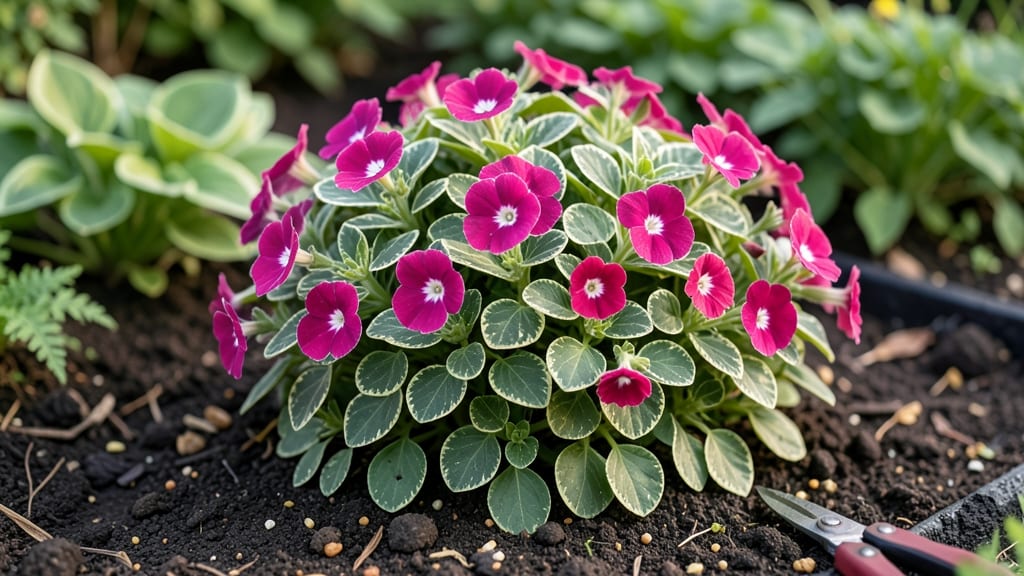
Variegated impatiens bring that shockingly lush contrast of white and green leaves to shady spots where nothing else thrives. 🌿 I’ve grown them in everything from hanging baskets to deep shade beds, and they never fail to deliver—just plant them, water them, and watch them explode with color from spring until frost.
The secret isn’t complicated: they’re happy in the same conditions as ferns but with way more drama.
You’ll need well-draining potting mix (or garden soil amended with compost), a spot with partial to full shade, and consistent moisture—think damp sponge, not soggy swamp. A slow-release fertilizer in spring keeps them blooming like crazy without the fuss.
The variegation stays crispest when they’re not stressed, so avoid letting them dry out or bake in hot afternoon sun.
By midsummer, you’ll have a wall of blooms in every shade from pink to purple, all while keeping pests at bay (slugs hate them, surprisingly). The foliage stays vibrant if you pinch back leggy stems and deadhead spent flowers—just a few minutes every couple weeks.
These plants are the ultimate low-maintenance star for shade gardens and containers.
Even in winter, you can keep them going indoors near a bright window or under grow lights. Just reduce watering slightly, and they’ll reward you with fresh growth when spring rolls around. No other annual gives this much color with this little effort—truly the lazy gardener’s dream plant.
📚 In This Guide
- What you need
- Instructions
- Tips and common mistakes
- Wrapping up and next steps
What you need
- ● Variegated Impatiens Plants: 3–5 healthy nursery-grown plants (look for vibrant foliage with creamy/yellow variegation).
- ● Well-Draining Potting Mix: 5–10 gallons of a peat-based or coco coir mix (add perlite or sand for aeration).
- ● Containers or Garden Bed: For pots: 6–8" diameter containers with drainage holes (3–5 plants per container).
- ● For gardens: Partial shade, moist, and fertile soil (amend with compost if needed).
- ● Slow-Release Fertilizer: 1–2 tbsp of balanced 10-10-10 or organic options like fish emulsion.
- ● Mulch: 1–2 inches of shredded bark or pine straw to retain moisture.
- ● Gloves & Trowel: For planting and soil prep.
- ● Watering Can or Hose: With a gentle spray nozzle (avoid overhead watering).
- ○ Pruning Shears: For trimming leggy stems (optional but helpful!).
- ○ Shade Cloth (Optional): 30–50% coverage for hot climates.
- ○ Peat Moss or Sphagnum (Optional): Boosts moisture retention in containers.
Step-by-step guide to growing beautiful variegated impatiens year-round
Here's how to keep these shade-loving beauties thriving indoors or out—no green thumb required.
🪴 Step 1: Choose the Right Containers and Soil Mix
Variegated impatiens love rich, well-draining soil that stays consistently moist. Fill your 4 containers (one for each plant) with a mix of 50% peat moss and 50% perlite—this keeps roots happy without waterlogging. I like to add a handful of compost to each pot for extra nutrients, but don’t overdo it. Too much organic matter can make the soil too dense.
Pick containers with drainage holes—these plants hate soggy roots. If your pots don’t have holes, drill a few near the bottom. Place a small piece of mesh over each hole to keep soil from washing out while still allowing water to drain freely. The containers should be at least 6 inches deep to give roots room to spread.
🌱 Step 2: Plant Your Variegated Impatiens Correctly
Gently remove the plant from its nursery pot and loosen the roots if they’re tightly bound. Place it in the center of your container, making sure the top of the root ball sits just below the soil line. Fill in around the roots with your prepared soil mix, pressing lightly to eliminate air pockets but not compacting too much.
Water immediately after planting to help settle the soil and remove any air gaps. You’ll know it’s right when the soil looks evenly moist but not soggy. Avoid burying the stems—impatiens are sensitive to stem rot, so keep the base of the plant just above the soil surface. If you’ve got multiple plants, space them about 12 inches apart to allow for airflow and growth.
☀️ Step 3: Position for Shade and Consistent Moisture
Variegated impatiens thrive in partial to full shade, especially in hotter climates. Place your containers where they’ll get 2-4 hours of morning sun and protection from harsh afternoon rays. If you’re growing them indoors, a bright room with indirect light works perfectly—just avoid drafty spots near windows or AC vents, which can stress the plants.
These plants love moisture but hate drying out. Water whenever the top 1 inch of soil feels dry—usually every 2-3 days in warm weather, but adjust based on your environment. Use room-temperature water and water at the base to keep foliage dry, which prevents fungal issues. A self-watering pot can help maintain consistent moisture if you tend to forget.
🌿 Step 4: Fertilize and Prune for Long-Lasting Blooms
Feed your impatiens every 4-6 weeks during the growing season with a balanced, water-soluble fertilizer (like a 10-10-10 mix). Dilute it to half-strength to avoid burning the roots. I like to fertilize right after watering to ensure the nutrients get absorbed properly. Stop fertilizing in late summer to encourage blooming rather than leafy growth.
Pinch back leggy stems to encourage bushier growth and more flowers. Use clean pruning shears to trim just above a leaf node, and always sterilize your tools with rubbing alcohol between cuts. Deadhead spent blooms regularly to keep the plant looking tidy and encourage continuous flowering. If your impatiens start to look crowded, you can gently divide them in spring to refresh their growth.
⏰ Step 5: Overwintering for Year-Round Color
In cooler months, move your impatiens indoors near a bright window or under grow lights to keep them blooming. Reduce watering slightly—let the top 2 inches of soil dry out between waterings—but don’t let them dry out completely. If the foliage looks tired, trim back any leggy growth and give them a light feeding to refresh them for the new season.
With proper care, your variegated impatiens can last for years, providing vibrant color with minimal effort. Just keep them shaded, moist, and well-fed, and they’ll reward you with nonstop blooms. Here’s the thing—these plants are forgiving, so don’t stress over minor mistakes. Even if you forget to water once, they’ll bounce back as long as you get back on track quickly.
Tips & tricks for growing thriving variegated impatiens
These simple strategies will help you keep your variegated impatiens looking their best with minimal effort.
Soil Mix Secret: The 50% peat moss and 50% perlite ratio is perfect for these plants, but if you're using potting soil from the store, add a handful of perlite or vermiculite to improve drainage. I've found that adding a small amount of orchid bark to the mix helps maintain that perfect moisture balance without compacting. The key is avoiding anything that makes the soil too dense—impatiens roots need air as much as moisture.
Planting Depth: When placing your variegated impatiens in their containers, make sure the top of the root ball sits just below the soil line—never bury the stems. I learned this the hard way after losing a few plants to stem rot. The base of the plant should be just above the soil surface, and if you're planting multiple, keep them about 12 inches apart for proper airflow. This spacing also makes future pruning and deadheading much easier.
Watering Wisdom: The top 1 inch of soil dry test works, but I've found it's even better to check moisture with your finger about 1 inch down. In warm weather, you'll typically water every 2-3 days, but this can vary dramatically based on your environment. A self-watering pot is a game-changer if you tend to forget—just make sure it has proper drainage. The secret to consistent moisture is watering at the base rather than from above, which helps prevent fungal issues on those delicate leaves.
Overwintering Transition: When moving your plants indoors for winter, don't just plop them by a window—give them time to adjust. I gradually move them closer to the light source over 3-4 days. Also, reduce watering slightly by letting the top 2 inches of soil dry out between waterings. This adjustment period helps prevent shock, and the reduced watering mimics their natural winter cycle while keeping them from drying out completely.
Pro Tips for Variegated Impatiens Plants
- These simple strategies will help you keep your variegated impatiens looking their best with minimal effort.
- Soil Mix Secret: The 50% peat moss and 50% perlite ratio is perfect for these plants, but if you're using potting soil from the store, add a handful of perlite or vermiculite to improve drainage.
- Planting Depth: When placing your variegated impatiens in their containers, make sure the top of the root ball sits just below the soil line—never bury the stems.
Frequently asked questions
Can variegated impatiens survive indoors year-round?
These shade-loving beauties thrive indoors near bright, indirect light (like a north-facing window). Just keep humidity up—mist leaves or use a pebble tray—and avoid drafts. They’re perfect for adding colorful pops to bathrooms, kitchens, or offices without fuss. Pro tip: Rotate pots occasionally for even growth!
Why are my variegated impatiens’ leaves turning yellow or brown?
Yellow leaves often signal overwatering (let the top inch of soil dry out), while brown edges usually mean low humidity or direct sunburn. Check drainage—impatiens hate soggy roots. If leaves lose variegation (white/pink streaks), they might need more light (but never harsh sun). Trim damaged foliage to encourage fresh growth!
How fast do variegated impatiens grow, and when will they bloom?
These fast growers can double in size in 4–6 weeks with ideal care! Blooms appear 6–8 weeks after planting (or repotting), especially if you pinch back leggy stems to encourage bushiness. For non-stop flowers, deadhead spent blooms regularly. Bonus: They’re self-cleaning, so no extra effort is needed!
Are there variegated impatiens varieties that tolerate heat or full sun?
Most variegated impatiens are shade-lovers, but the Impatiens walleriana ‘Super Elfin’ series (like ‘Pinky Winky’) handles morning sun + afternoon shade better than others. For hot climates, opt for New Guinea impatiens (e.g., ‘Jungle Series’), which have thicker leaves and bold variegation—though they’re pricier. Test small patches first!
Where’s the best place to buy healthy variegated impatiens?
Start with reputable nurseries or online retailers like Planters.com or Proven Winners for disease-free starts. Avoid big-box stores in summer—plants often arrive stressed. Check for compact, vibrant foliage (not leggy) and closed buds (not wilting blooms). Local garden clubs or Facebook groups are goldmines for rare variegated varieties!
Wrapping up and next steps
Variegated impatiens are the perfect low-maintenance way to add vibrant, year-round color to your garden or indoor space—no green thumb required! 🌸 With their striking variegated leaves and cheerful blooms, these plants thrive in shade, demand minimal care, and even rebloom with the right attention.
Whether you’re a seasoned gardener or a beginner, they’re your ticket to effortless beauty.
Ready to transform your space? Start by picking your favorite variegated variety, grab your supplies, and dive in—your garden (or windowsill!) will thank you. Happy planting! 🌱✨