
Watering
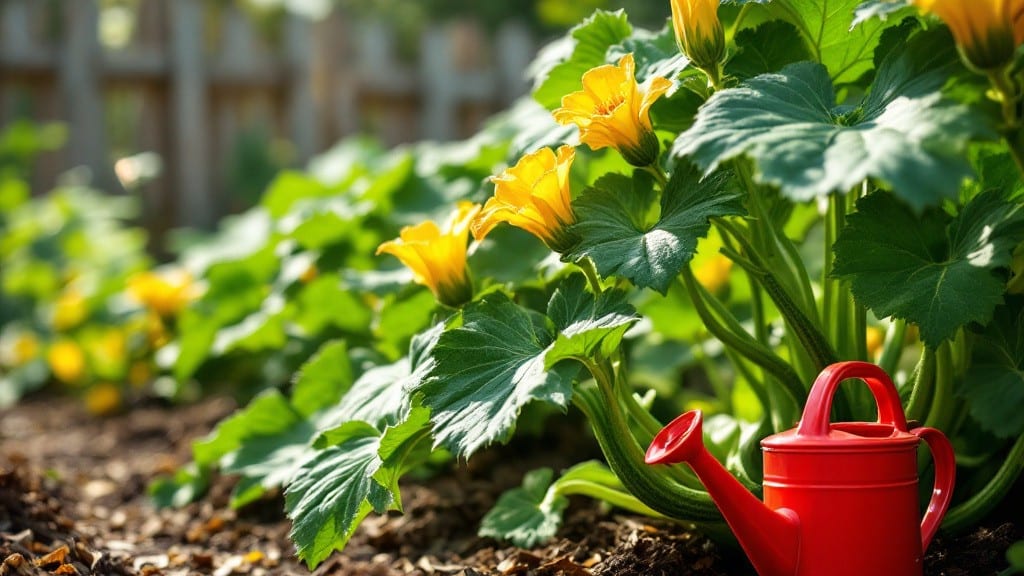
Watering squash plants in the morning isn't just a habit—it's the difference between a bountiful harvest and a struggling vine. I learned this the hard way when my zucchini plants wilted midday last summer, despite my best efforts.
The key is consistency: keeping soil evenly moist without drowning the roots, especially when those vines start sprawling in July.
Most gardeners overcomplicate this, but squash actually thrives on a simple routine: water at the base early in the day, using 1-2 inches per week (more in extreme heat). Drip irrigation works best—it delivers water slowly where the roots need it most, while hand-watering gives you control over soil saturation.
The goal is to avoid wet foliage, which invites fungal diseases like powdery mildew.
You'll know you're doing it right when the plants stay upright with deep green leaves and no yellowing. Too little water causes blossom-end rot (that ugly black spot on fruits), while too much leads to root rot and stunted growth.
Morning watering also gives excess moisture time to evaporate, keeping the plants healthier all season long.
This routine works for both young seedlings and mature vines, from early spring plantings to late-summer harvests. The only adjustment? Increase frequency during heatwaves—your squash will reward you with bigger, more productive plants. Let's get those vines thriving!
📚 In This Guide
- What you need
- Instructions
- Tips and common mistakes
- Wrapping up and next steps
What you need
- ● Water source: Hose with adjustable nozzle (or watering can for smaller gardens) – preferably with a gentle spray or drip setting.
- ● Timer or clock: To track watering consistency (e.g., 6–8 AM daily).
- ● Garden trowel or small shovel: For checking soil moisture 1–2 inches below the surface.
- ● Mulch (organic or inorganic): Straw, grass clippings, or wood chips (2–3 inches thick) to retain moisture.
- ○ Black plastic mulch (optional but effective for heat retention).
- ○ Soil moisture meter (optional but helpful): For precise readings in sandy or rocky soil.
- ● Drip irrigation system: Automates watering and reduces disease risk (ideal for large plots).
- ● Rain gauge: Monitors natural rainfall to adjust watering schedules.
- ● Compost or worm castings: Improves soil water retention and nutrient absorption.
- ● Shade cloth (lightweight): Protects plants from midday sun stress if watering is delayed.
Step-by-Step routine for watering squash plants
Here’s how I water squash plants daily to boost fruit production and keep diseases at bay.
Water Deeply at Soil Level in the Morning
Squash plants thrive when watered consistently at the base, never overhead. I use a soaker hose or drip irrigation to deliver 1-2 inches of water directly to the soil around the plant’s base—never the leaves. This prevents fungal diseases like powdery mildew, which squash are particularly susceptible to. Water early in the morning, between 6 and 9 AM, so the foliage dries completely by evening. Wet leaves at night create the perfect environment for pathogens.
Check moisture by sticking your finger 1-2 inches deep into the soil. If it feels dry, water again. If it’s still damp, hold off—squash roots need air, not soggy conditions. Mulch with 2-3 inches of straw (if available) to retain moisture and keep soil temperatures stable, reducing stress on the plants.
Avoid Wetting Leaves and Flowers
Overhead watering is a surefire way to invite disease and stress squash plants. Instead, I focus on targeted watering at the soil line, using a watering wand with a fine spray or a soaker hose to direct moisture exactly where it’s needed. If you must use a hose, position the nozzle close to the base and let it run slowly to avoid splashing.
Pay special attention to the vines and flowers. Water droplets on these areas can distort blossoms or cause them to drop prematurely, reducing yield. If you notice water beading on leaves after watering, you’re doing it wrong—adjust your technique immediately. Healthy squash flowers should remain dry and open fully for pollination.
Adjust Frequency Based on Growth Stage
Young squash seedlings need consistent moisture to establish strong roots, so I water every 2-3 days until they’re 4-6 inches tall. Once they’re established, mature squash plants can handle slightly drier conditions, so I shift to watering every 3-4 days, depending on heat and humidity. During hot, dry spells, I increase frequency to every 2 days to prevent blossom end rot and fruit cracking.
Watch for signs of stress: wilting leaves mean it’s time to water, but yellowing leaves often signal overwatering. Squash plants are resilient, but they’ll drop flowers or fruit if moisture levels fluctuate wildly. A rain gauge helps track natural water input—if you’ve had ½ inch of rain in 24 hours, skip your scheduled watering.
Monitor Soil and Climate Conditions
Squash plants in containers dry out faster than those in the ground, so I water them daily during peak summer heat. For in-ground plants, I rely on soil texture and weather forecasts. Sandy soil drains quickly and may need watering twice daily in extreme heat, while clay soil holds moisture longer and can go 4-5 days between waterings.
If your area experiences high humidity, reduce watering slightly to prevent fungal issues. Conversely, dry, windy conditions demand more frequent watering to keep the soil evenly moist. I always water before 10 AM to give the plants time to absorb moisture before the heat of the day intensifies.
Harvest and Prune Strategically to Maintain Balance
Regular harvesting keeps squash plants productive. When fruit reaches ½ its mature size, I pick it promptly to encourage more production. Overripe squash saps energy from the plant, so I never let more than 2-3 fruits mature at once. After harvesting, I give the plant a light watering to replenish moisture lost during growth.
Prune yellow or diseased leaves immediately to improve airflow and reduce disease spread. I also trim runners (vines) that trail too far from the plant to focus energy on fruit production. This pruning step isn’t just about aesthetics—it’s about stress reduction, which directly impacts water efficiency and yield.
Tips & tricks for perfect squash plant watering
These targeted strategies will help you maximize your squash yield while preventing the most common watering mistakes that gardeners make.
Soil Moisture Testing: In Step 1, when checking soil moisture 1-2 inches deep, focus on the texture rather than just visual dampness. Sandy soil will feel dry even if it has moisture, while clay soil stays damp longer. I press my finger firmly—if resistance meets my knuckle, it's time to water. This method prevents both underwatering and soggy roots that invite rot.
Equipment Upgrade: For precise watering in Step 2, invest in a quality soaker hose with adjustable flow settings. The best ones deliver water at a slow, steady rate without splashing. I've found that positioning the hose just 2-3 inches from the base ensures even distribution while keeping foliage dry. A watering wand with a fine spray tip is my backup when I'm working around established plants.
Growth Stage Adaptation: The transition in Step 3 from every 2-3 days for seedlings to every 3-4 days for mature plants requires close observation. I mark my calendar with the 4-6 inch height milestone to remind myself when to adjust. During heatwaves, I set phone alerts for my twice-daily check-ins with container plants—this consistency prevents the blossom end rot that frustrates so many gardeners.
Climate-Specific Adjustments: In Step 4, when monitoring soil and climate, I keep a small notebook by my garden. I record daily highs, humidity levels, and any wind advisories. This helps me anticipate when to reduce watering during humid spells or increase frequency during windy conditions. For example, I'll reduce to every 4-5 days when humidity exceeds 75%, even if the forecast calls for heat.
Pro Tips for Watering Squash Plants
- These targeted strategies will help you maximize your squash yield while preventing the most common watering mistakes that gardeners make.
- Soil Moisture Testing: In Step 1, when checking soil moisture 1-2 inches deep, focus on the texture rather than just visual dampness.
- Equipment Upgrade: For precise watering in Step 2, invest in a quality soaker hose with adjustable flow settings.
Frequently asked questions
Got questions about keeping your squash plants thriving with the perfect watering routine?
Here are answers to the most common concerns—so you can grow bigger, healthier harvests without the guesswork.
How often should I water squash plants?
Squash plants need 1 to 2 inches of water per week, especially during flowering and fruiting. Water deeply in the morning (before 10 AM) to reduce evaporation and fungal risks. Pro tip: Check soil moisture—stick your finger 1-2 inches deep; if dry, it’s time to water!
Why is morning watering better than evening?
Morning watering gives foliage time to dry, preventing mildew and rot. Evening water can linger on leaves, creating damp conditions that attract pests and diseases. Plus, cooler mornings mean less water loss to evaporation.
What’s the best way to water squash without damaging vines?
Use a soaker hose or drip irrigation to deliver water directly to the soil base, avoiding wetting leaves. If hand-watering, aim for the roots and avoid splashing stems. Mulch (straw or grass clippings) helps retain moisture and protects vines.
My squash leaves are yellow—am I overwatering?
Yellow leaves often signal overwatering or poor drainage. Let soil dry slightly between waterings, and ensure pots/containers have drainage holes. If roots are soggy, reduce watering and improve airflow around plants.
Can I use rainwater or tap water for squash?
Both work, but rainwater is ideal—it’s pH-neutral and free of chlorine. If using tap water, let it sit overnight to dissipate chlorine. Avoid salty or heavily treated water, which can harm soil health over time.
What if I miss a watering day?
Don’t panic! Squash plants are resilient. If soil is dry, water deeply and monitor for wilting. Pro tip: Mulch helps retain moisture, so consistent watering becomes easier. Just avoid letting plants go bone-dry for more than 2-3 days.
Wrapping up and next steps
Mastering the art of watering squash plants in the morning isn’t just about routine—it’s about unlocking their full potential! 🌱 By following these steps, you’ll ensure your plants thrive, fend off disease, and reward you with a bountiful harvest.
Now that you’re armed with the right techniques, take action: grab your watering can, step into your garden, and give your squash the care they deserve. Happy gardening—your future harvest is waiting! 🍉✨