
Pruning
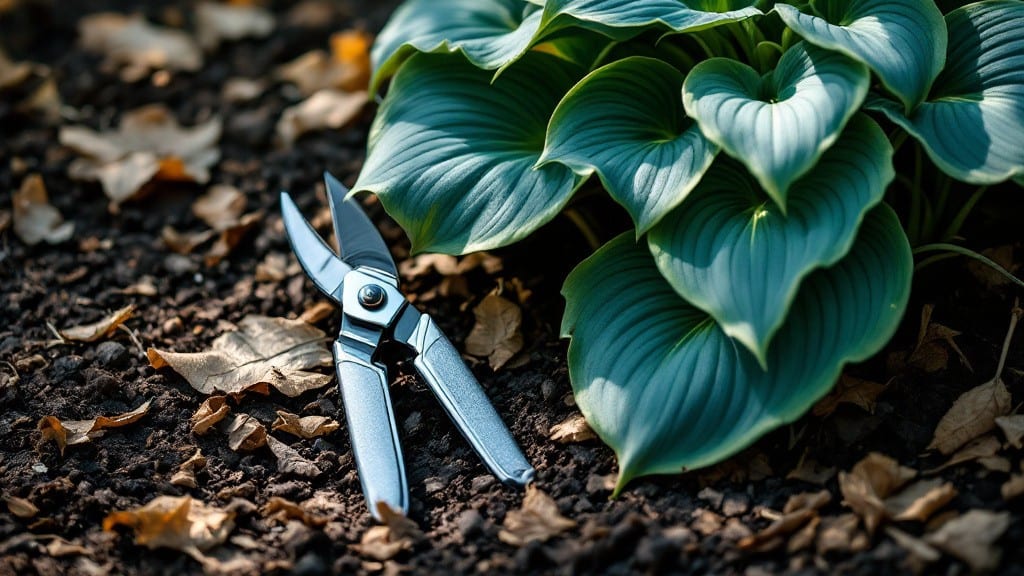
Cutting back hosta plants at the right time ensures vibrant growth next spring—miss the window, and you risk stunted foliage or even winter damage.
Hostas are the unsung heroes of shade gardens—lush, low-maintenance, and stunning—but timing their fall cleanup wrong can stunt next year’s growth. Most gardeners wait too late, leaving plants vulnerable to rot or too early, which exposes them to harsh winter winds.
The key is watching for leaf yellowing and frost timing, not just the calendar.
In General (Zone 6 default), aim to trim hostas after the first hard frost when leaves turn brown and crispy, but before the ground freezes solid. This 3-week window in late fall is your best bet for protecting the crown while keeping next year’s foliage healthy.
Below, I’ll walk you through the exact cues to look for—plus common mistakes that even experienced gardeners make—and how to adjust for colder or milder climates.
The best time to cut back hostas in late fall: signs your plants are ready
Cutting back hostas at the wrong time can leave them vulnerable to fungal diseases or weak spring regrowth. The key is waiting until they’ve fully entered dormancy—but not so late that the crowns suffer frost damage.
I’ve learned the hard way that November isn’t a one-size-fits-all month; your USDA zone and local first frost dates dictate the perfect window.
In my Zone 6 garden, I wait until mid-November when leaf yellowing is complete and temperatures dip below 40°F at night. But in Zone 8, where frosts are rare, I hold off until December—sometimes even later.
The secret? Watch for three key signs: brown, crispy leaves, frost-killed foliage, and dormant crowns that feel soft when pressed.
Here’s the summary table breaking down the optimal cutback timing by region, so you can match your garden’s cues to the right action:
| Region (USDA Zone) | Best Time to Cut Back | Key Signs to Watch For | Risks of Cutting Too Early |
|---|---|---|---|
| Zones 3-5 (Cold Climates) | Late October to early November | Leaves fully brown, frost damage visible, soil temps below 50°F | Slug/snail infestations, rot from wet foliage |
| Zones 6-7 (Temperate) | Mid-November | Crispy leaves, dormant crowns, night temps below 40°F | Winter dieback, weakened spring growth |
| Zones 8-9 (Mild Winters) | December to January | No frost, leaves may stay green until late fall | Pests (e.g., voles) hiding in dead foliage |
| Zone 10+ (No Frost) | February to March | New growth begins, old leaves yellow naturally | Overpruning removes next year’s buds |
For me, the biggest mistake I see gardeners make is cutting back hostas in October—way too early. The leaves act as a natural mulch, protecting the crown from temperature swings and pests.
If you cut too soon, you’re inviting slugs and voles to feast on your dormant plants.
In northern climates, aim to cut back hostas after two hard frosts—this ensures the crowns are fully hardened off. I test this by gently tugging on the foliage; if it pulls away easily, it’s time.
In southern gardens, where winters are mild, wait until you see new growth emerging in late winter—this signals the old leaves are no longer serving a purpose.
One trick I swear by? I mark my calendar for 6 weeks after the first frost—this gives the hostas enough time to dormantize naturally. For example, if my first frost hits October 15th, I schedule cutbacks for November 30th.
This timing aligns with Zone 6’s average soil temps dropping below 45°F, which is ideal for pruning perennials.
If you’re unsure, observe your hostas daily in late fall. Look for leaf curl or browning edges—these are frost warnings. I also check the soil surface; if it’s cold to the touch, your hostas are ready.
Pro tip: Avoid cutting on wet days, as damp foliage can spread slime mold or powdery mildew.
After cutting, I never leave the clippings on the soil—this is a common error. Instead, I remove them to reduce disease pressure and <
What happens if you cut back hostas too early or too late (and how to fix it)
Cutting back hostas at the wrong time can turn your shade garden from a lush retreat into a winter casualty. If you trim too early, your plants may miss critical growth cycles, while waiting too late risks disease buildup and frost damage.
The key is understanding your hosta’s dormancy signals and your climate zone—because what works in Zone 5 may backfire in Zone 8. Let’s break down the risks and recovery steps so you can revive your hostas, no matter when you messed up.
Most gardeners assume hostas are dormant by first frost, but that’s not always true. In mild climates (Zones 7-9), hostas may stay photosynthetically active until late fall, while in cold zones (Zones 3-5), they enter dormancy earlier.
Cutting too early—before leaf senescence—removes the plant’s energy reserves, leaving it weak for spring. Conversely, leaving dead foliage too long creates a moisture trap, inviting fungal diseases like leaf spot or slime mold.
The balance is delicate, and the stakes? Stunted growth or even plant death in extreme cases.
⚠️
⚠️ Critical Timing Mistakes
Too Early: Cutting before full dormancy (green leaves remain) removes photosynthesis sources, starving the crown of stored energy for spring. Risks: Delayed regrowth, smaller foliage, or flopped leaves next season.
Too Late: Leaving dead foliage past first hard frost traps moisture, promoting rot and fungal spores. Risks: Crown rot, insect infestations (like slugs overwintering), or frost-heaved soil damaging roots.
Fix It: If you’ve already cut too early, leave stubs (2-3 inches tall) to protect the crown. If too late, remove dead leaves but mulch heavily (4-6 inches) to insulate roots. Never cut into dormant crowns—wait until spring for cleanup.
If you’ve already cut back your hostas too early, don’t panic—there’s still hope. The first step is to leave the stubs (about 2-3 inches tall) to shield the crown from frost heave and temperature fluctuations.
This protects the growing point while allowing the plant to recover energy reserves over winter. In mild winters, hostas may even regrow slightly from the stubs, giving you a head start in spring.
For severe early cuts, apply a thick layer of mulch (straw or shredded leaves) around the base to insulate roots and retain moisture.
Waiting too late to cut back hostas is equally problematic, but the fix is simpler: remove dead foliage as soon as you notice leaf rot or mold. Use sterilized shears to cut at the soil line, then dispose of debris (don’t compost if diseased).
The real game-changer here is mulching. Pile on 4-6 inches of organic mulch (like straw or wood chips) to protect roots from freeze-thaw cycles. This insulation layer can mean the difference between survival and winter kill in Zone 5 or colder.
For hostas that show signs of stress after improper cutting—like yellowing leaves in spring or stunted growth—focus on revitalizing the soil. Amend the area with compost or well-rotted manure to boost microbial activity, then fertilize lightly with a balanced 10-10-10 in early spring.
Avoid high-nitrogen fertilizers, which can burn weak roots. Instead, prioritize phosphorus and potassium to strengthen root systems and encourage foliage recovery. Pair this with consistent watering (but avoid waterlogging) to help your hostas bounce back.
Remember, hostas are hardy perennials, and even mistakes can be corrected with the right care. The key is observation: watch for leaf color changes, frost timing, and local climate patterns.
If you’re unsure, err on the side of waiting—hostas can handle overwintering with dead foliage far better than they can handle premature pruning. With these strategies, your hostas will thrive next season, proving that even gardening blunders can have happy endings. 🌿