
Companion Plants
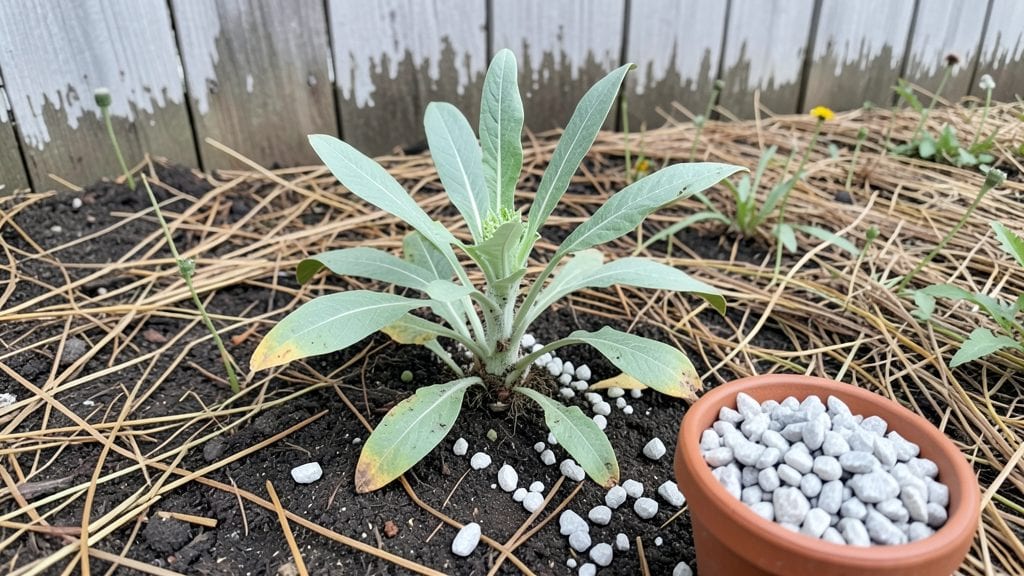
Zinc for plants acts as a growth catalyst by supporting chlorophyll production and enzyme activity, and its deficiency triggers telltale signs like yellowing leaves between veins. To address this, use 0.1 to 0.5 ppm zinc in soil applications or foliar sprays every 4-6 weeks during the growing season, always tailoring the approach to your soil tests and the specific needs of your plants.
Zinc isn't just another micronutrient—it's a plant's unsung hero, playing a crucial role in everything from root development to disease resistance. 🌱 When zinc levels drop, you'll often notice stunted growth or distorted leaves, especially in younger foliage, because the plant can't produce enough chlorophyll.
I've seen this most dramatically in citrus trees, where the classic "little leaf" syndrome appears when zinc is lacking. The good news? Unlike some nutrients, zinc is mobile in plants, so symptoms usually start at the tips before spreading, giving you a heads-up to act fast.
Most gardeners overlook zinc because it's not as flashy as nitrogen or potassium, but its impact on overall plant vigor is undeniable.
For instance, foliar sprays work faster than soil applications because plants absorb zinc directly through their leaves, which is why I always recommend a two-pronged approach during the growing season.
And here's a pro tip: chelated zinc is your best bet for sandy soils, where nutrients wash away quickly, while organic gardeners can rely on composted leaves or bone meal for a slow-release boost.
💡 In This Article
- How Zinc Deficiency Affects Plant Growth and Development
- Best Zinc Fertilizers and Application Methods for Gardens
How zinc deficiency affects plant growth and development
Zinc deficiency disrupts plant physiology at a cellular level by inhibiting chlorophyll synthesis and auxin production, the plant hormone responsible for growth and development. Without adequate zinc, plants can't activate enzymes like carbonic anhydrase, which is critical for converting carbon dioxide into usable forms during photosynthesis.
This creates a domino effect: reduced chlorophyll means less energy production, and stunted auxin levels lead to poor cell elongation and root formation. 🌱 The result? Plants appear weak, with leaves that stay small and fail to expand properly.
Symptoms vary dramatically between plant species due to their differing zinc requirements. Citrus trees, for example, show interveinal chlorosis—yellowing between leaf veins—while grains like corn develop white banding on leaves, a telltale sign of zinc deficiency.
The key difference lies in how plants absorb zinc: foliar uptake is more efficient for broadleaf plants (like tomatoes), while root absorption dominates in grasses and cereals. This explains why foliar sprays work wonders on vegetables but may be less effective for lawn grasses.
The long-term effects of chronic zinc deficiency are far worse than cosmetic issues. Plants become more susceptible to diseases because zinc strengthens cell walls and supports antioxidant enzymes that combat oxidative stress.
In severe cases, you'll notice stunted root systems that can't anchor the plant properly, making it vulnerable to wind damage. What most gardeners don't realize is that zinc deficiency often mimics other nutrient deficiencies—like iron or manganese—because symptoms overlap. This is why soil testing is critical before diagnosing and treating.
Here's what's actually happening in deficient plants: zinc deficiency triggers a metabolic shutdown in meristematic tissues (growth zones), where new cells are produced. Without zinc, these cells can't divide properly, leading to rosette formation in plants like cabbage or distorted growth in fruits.
The science behind this involves zinc's role as a cofactor for over 300 enzymes, including those involved in protein synthesis and DNA repair. When zinc is scarce, these processes slow down, causing growth to stall.
Consider these key factors when assessing zinc deficiency:
- Leaf age: Young leaves show symptoms first because zinc is mobile in plants—older leaves "steal" zinc from new growth
- Soil pH: Zinc becomes less available in alkaline soils (pH > 7.0), where it binds to calcium and iron
- Plant family: Brassicas (cabbage, broccoli) and legumes are particularly sensitive to zinc deficiency
The most striking example of zinc's impact is in citrus trees, where deficiency causes the infamous "little leaf" syndrome. Affected trees produce leaves that are only 1/3 the normal size and have a thick, leathery texture.
What's fascinating is that even after correcting the deficiency, these small leaves never fully recover their original size—this is why early intervention is crucial. For grains like wheat, zinc deficiency reduces thousand-grain weight by up to 30%, directly impacting yield.
What most people don't realize is that zinc deficiency often starts in the roots before appearing above ground. Roots become short, thick, and have fewer lateral branches, reducing the plant's ability to absorb water and nutrients.
This underground struggle explains why foliar sprays provide immediate relief—by delivering zinc directly to where it's needed most. 💫