
Blooming
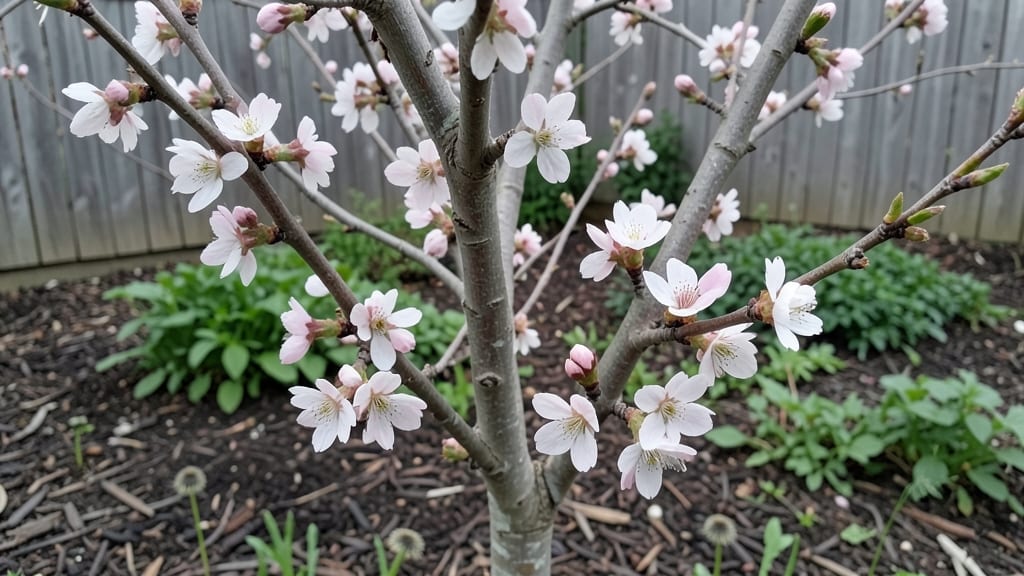
Growing an almond blossom plant means welcoming clouds of pink and white into your spring garden. 🌸 I still remember the first time I walked past a neighbor’s tree—its fragrance so sweet it made me pause mid-step.
These trees aren’t just pretty; they’re a sensory experience that turns ordinary yards into fragrant escapes.
The secret to those showstopping blossoms starts with the right conditions: full sun for at least 6-8 hours daily, well-draining soil (they hate soggy roots), and a spot protected from harsh winds.
Mediterranean climates are ideal, but temperate zones can grow them too—just expect fewer blooms in cooler areas. Choose between ornamental varieties for pure beauty or edible types if you dream of homegrown almonds.
With proper care, you’ll see those delicate flowers appear in early spring, filling the air with a scent that rivals the best perfumes. Prune in late winter to shape the tree and encourage new growth, and water deeply but infrequently once established.
The payoff? A tree that becomes the heart of your garden every spring, drawing pollinators and stealing hearts alike.
Fair warning: These trees can be picky about soil and prone to pests like aphids if stressed. But with the right prep, they reward you with years of effortless beauty. Let’s get your tree thriving—and smelling—like the pros.
📚 In This Guide
- What you need
- Instructions
- Tips and common mistakes
- Wrapping up and next steps
What you need
- ● Almond tree varieties: Choose between sweet almonds (Prunus dulcis) or bitter almonds (Prunus amara)—sweet is safer for edible gardens! 🌿
- ● Young saplings or seeds: Nursery-bought saplings (1–2 years old) are easiest for beginners. If starting from seeds, ensure they’re fresh (germination drops after 1–2 years).
- ● Well-draining soil: A mix of 60% native soil, 30% compost, and 10% coarse sand (pH 6.0–7.5). Almonds hate soggy roots!
- ● Sunlight: A full-sun spot (6+ hours of direct light daily). Partial shade may delay blooms.
- ● Watering can or drip irrigation: Almonds need deep but infrequent watering (1–2 inches per week). Avoid overhead sprinklers to prevent fungal risks.
- ● Garden trowel & shovel (for planting/sapling transfer).
- ● Pruning shears (sterilized with rubbing alcohol).
- ○ Mulch (optional): Wood chips or straw (2–3 inches thick) to retain moisture and deter weeds. Pro tip: Keep mulch 3 inches away from the trunk to prevent rot! 💡
- ○ Fertilizer (optional): Low-nitrogen, phosphorus-rich fertilizer (e.g., 5-10-10) in early spring.
- ○ Pest control (optional): Neem oil spray for aphids or bird netting to protect blossoms from hungry critters.
Step-by-step guide to planting and caring for almond blossom trees
Here's how to bring that dreamy springtime fragrance to your garden with healthy, thriving almond blossom trees.
🌱 Step 1: Choose the Right Location and Prepare the Soil
Almond trees need full sun exposure—at least 8 hours daily—so pick a spot where they'll get plenty of warmth. They thrive in well-draining soil with a slightly alkaline pH, so if your soil is heavy clay, mix in 3-4 inches of compost to improve drainage and fertility.
Dig a hole twice as wide as the root ball but only as deep. This encourages roots to spread horizontally rather than settling too low, which can cause rot. Gently loosen the roots if they're circling tightly—this helps them establish faster.
🪴 Step 2: Plant Your Almond Blossom Tree
Place the tree in the hole so the graft union (the bump near the base) sits 2-3 inches above soil level. This prevents water from pooling around the trunk later. Backfill with the native soil, tamping lightly as you go to remove air pockets.
Create a watering basin around the base by mounding soil slightly higher than the surrounding area. This directs water straight to the roots where it's needed most. Water deeply right after planting to settle the soil and eliminate air gaps.
☀️ Step 3: Water and Mulch for Optimal Growth
Keep the soil consistently moist but never soggy for the first 4-6 weeks—this is when roots establish themselves. You'll know it's time to water when the top 2 inches of soil feel dry. After that, water deeply once a week unless it rains.
Spread a 2-3 inch layer of mulch around the base, keeping it 3-4 inches away from the trunk to prevent rot. Organic mulch like wood chips or straw helps retain moisture, regulates soil temperature, and suppresses weeds—just refresh it every spring.
✂️ Step 4: Prune for Shape and Health
Prune in late winter or early spring before new growth begins. Remove any dead, diseased, or crossing branches first. Then, thin out about 20% of the canopy to improve airflow and sunlight penetration—this prevents fungal issues and encourages more blossoms.
Focus on opening up the center of the tree so light reaches all branches. You'll see stronger growth and more abundant blossoms in spring. Avoid heavy pruning in fall, as new growth won't harden off before winter.
🌿 Step 5: Fertilize and Monitor for Pests
Apply a balanced fertilizer (10-10-10) in early spring and again in early summer. Almond trees aren't heavy feeders, so a light application is enough to support blossoming and fruiting. Water deeply after fertilizing to help nutrients reach the roots.
Watch for signs of pests like aphids or spider mites, which love new growth. A strong blast of water usually removes them, but for stubborn infestations, use an insecticidal soap. Healthy trees with good airflow rarely have serious pest problems.
Tips & tricks for perfect almond blossom plant care
Here's what I've learned from years of growing these fragrant beauties—simple secrets that make all the difference.
Sunlight Strategy: That 8-hour daily sun requirement is non-negotiable for almond trees. I've seen blossoms fade dramatically when trees get less light, so if your yard has afternoon shade, consider a south-facing location or even a large container where you can move it to full sun. Morning sun is great, but afternoon sun is what really makes those blossoms pop.
Soil Preparation Secret: When amending heavy clay soil with 3-4 inches of compost, I like to mix in a bit of perlite or coarse sand too—about 10% of the volume. This creates tiny air pockets that prevent waterlogging while still maintaining that slightly alkaline pH almond trees love. Think of it as giving your roots a spa treatment with better drainage.
Watering Wisdom: During those critical first 4-6 weeks, I check moisture by sticking my finger 2 inches deep—that's when I know it's time to water. Pro tip: Use a moisture meter for accuracy, especially if you're new to gardening. Overwatering is the #1 killer of young almond trees, so when in doubt, wait another day. The roots will thank you!
Pruning Payoff: When thinning out 20% of the canopy in Step 4, focus on branches that cross or grow inward. These are the ones creating shade and limiting airflow. I like to make cuts just above an outward-facing bud or branch junction—this encourages new growth in the right direction. And remember, those blossoms you're dreaming of need good airflow to stay healthy!
Pro Tips for Almond Blossom Plant
- Here's what I've learned from years of growing these fragrant beauties—simple secrets that make all the difference.
- Sunlight Strategy: That 8-hour daily sun requirement is non-negotiable for almond trees.
- Soil Preparation Secret: When amending heavy clay soil with 3-4 inches of compost, I like to mix in a bit of perlite or coarse sand too—about 10% of the volume.
Frequently asked questions
When is the best time to plant almond blossom trees?
Plant almond blossom trees in late fall or early winter (USDA zones 7–10) to allow roots to establish before spring blooms. If planting in spring, do it before buds swell (February–March). Avoid extreme heat—young trees need time to adjust. Pro tip: Water deeply after planting to reduce transplant shock!
Do almond blossom trees survive frost?
Most almond trees can handle light frost (28–32°F), but late spring frosts (after buds open) can damage blossoms. Choose late-blooming varieties (like ‘Nonpareil’) for frost-prone areas. If frost is forecast, cover young trees with frost cloth or use overhead sprinklers to create ice insulation.
Can I grow almond blossoms from seed?
While possible, seed-grown trees rarely produce true almonds (they’re often bitter or non-fruiting). For reliable blossoms, buy grafted nursery trees labeled for your climate. Seeds take 5–10 years to bloom—patience (and space!) are key. Bonus: Seedlings make great ornamental trees for fragrance alone!
Why aren’t my almond blossom trees producing nuts?
Common reasons include:
- Pollination issues: Almonds need cross-pollination (plant 2+ compatible varieties). Bees love the flowers—ensure they visit!
- Immaturity: Trees take 3–5 years to bear nuts.
- Environmental stress: Check for drought, poor soil, or pests (aphids love new growth!).
- Frost damage: Late frosts can kill blossoms before pollination.
Try hand-pollinating with a soft brush if bees are scarce!
What are some low-maintenance alternatives to almond blossom trees?
If almonds seem high-maintenance, try these fragrant, drought-tolerant bloomers:
Plant
Bloom Time
Care Level
Japanese Cherry (Prunus serrulata)
Spring
Moderate (prune annually)
Lavender (Lavandula)
Summer
Very low (drought-resistant!)
Ornamental Pear (Pyrus calleryana)
Early spring
Low (fast-growing)
All offer stunning fragrance with less fuss than almonds!
Wrapping up and next steps
The almond blossom plant isn’t just a fleeting burst of beauty—it’s a fragrant, low-maintenance superstar that turns any garden into a springtime paradise. 🌸 Whether you’re a seasoned gardener or a beginner, its delicate pink blooms and sweet scent prove that growing showstopping plants is easier (and more rewarding!) than you think.
Now that you’re armed with the how-to’s and answers to common questions, it’s time to roll up your sleeves! Start by choosing your favorite almond variety, gather your supplies, and give your garden the transformative touch it deserves. Happy planting—your future blossoms are waiting! 🌱✨