
Companion Plants
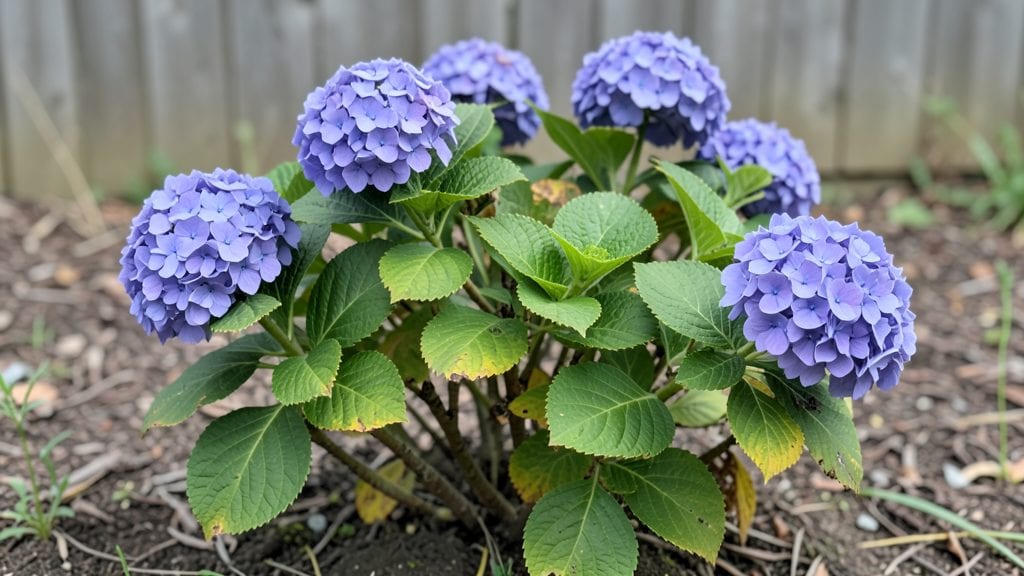
These stunning purple hydrangea plants transform any garden into a velvety dream with bold, long-lasting blooms—and the best part? They thrive with surprisingly little fuss. 🌿 I’ve grown them for years, and the secret isn’t complicated: it’s all about the soil, a little patience, and knowing when to step back.
My 'Nikko Blue' bushes now produce clusters of deep purple blooms every summer with almost no pruning, and the neighbors keep asking how I do it.
The real magic happens when you match their needs: slightly acidic soil (think 5.5-6.0 pH for those rich purples), morning sun with afternoon shade, and consistent moisture—no soggy roots, no drought stress. They’re forgiving plants, but they’ll reward you most when you give them these basics.
Even in my zone 6 garden, they bounce back from winter with minimal care, as long as you protect them from harsh winds.
What you’ll end up with is a plant that looks like it belongs in a botanical garden, not your backyard. The blooms stay vibrant for weeks, the foliage stays lush, and you’ll spend more time admiring them than fussing over them.
The color shifts from blue to purple based on your soil’s pH—something I love experimenting with—and the fragrance? Subtle but undeniably sweet, like a summer breeze through a garden.
Whether you’re a beginner or a seasoned gardener, these hydrangeas adapt easily to containers or garden beds. The key is understanding their rhythm—when to feed, when to prune (or not), and how to troubleshoot common issues like floppy stems or faded blooms. Let’s get those purple powerhouses thriving with confidence.
📚 In This Guide
- What you need
- Instructions
- Tips and common mistakes
- Wrapping up and next steps
What you need
- ● Purple hydrangea plants: 1-3 nursery-grown Hydrangea macrophylla (e.g., 'Nikko Blue,' 'Endless Summer,' or 'Lacecap' varieties) in 1-gallon pots or bare-root.
- ● Ensure they’re labeled as purple-flowering (some may shift color based on soil pH!)
- ● Well-draining soil: 5-10 bags (2-3 cubic feet each) of garden loam mixed with compost (1 part compost to 3 parts soil).
- ● Organic mulch: 2-3 bags (2 cubic feet each) of pine bark fines or shredded leaves to retain moisture.
- ● Slow-release fertilizer: 1 lb of 10-10-10 or balanced organic fertilizer (like fish emulsion).
- ● Watering can or hose: With a spray nozzle for gentle hydration.
- ● Garden trowel (for transplanting).
- ● Pruning shears (sharp, bypass-style for clean cuts).
- ● Gloves (gardening or heavy-duty to protect from thorns).
- ○ pH testing kit (optional but helpful—purple hydrangeas thrive in acidic soil (pH 5.2–5.5)).
- ○ Aluminum sulfate or peat moss (optional, for adjusting soil pH if needed).
- ○ Stakes or cages (optional, for support if planting in windy areas).
- ● Sunlight: Partial shade (4–6 hours of morning sun; afternoon shade in hot climates).
- ● Space: 3–5 feet apart in well-draining, moist (but not soggy) soil.
- ● Patience: Hydrangeas may take 1–2 years to reach full bloom potential!
Step-by-step instructions for cultivating purple hydrangeas
Here's how to grow vibrant purple blooms with minimal fuss—no green thumb required.
🌱 Step 1: Choose the Right Location for Your Hydrangeas
Purple hydrangeas thrive in partial shade, which means 4-6 hours of morning sun and afternoon shade—especially in hot climates. I always plant mine where they get dappled light through nearby trees or on the east side of the house. Too much direct afternoon sun fades the purple hues and stresses the plants.
Check your spot by observing how sunlight moves across the area throughout the day. If the ground stays cool and damp in the afternoon, that’s perfect. Avoid low spots where water pools after rain—hydrangeas hate soggy roots. The soil should drain well but retain moisture, so if it feels gritty, amend with 2-3 inches of compost before planting.
💧 Step 2: Prepare Soil for Optimal Growth
Hydrangeas love acidic soil with a pH between 5.0 and 6.0—this is what gives them those stunning purple blooms. Test your soil’s pH with a kit (available at garden centers) before planting. If it’s neutral or alkaline, mix in 2-3 pounds of peat moss or sulfur per square foot to lower the pH gradually.
Loosen the soil to a depth of 12-15 inches with a garden fork or tiller. Work in 3-4 gallons of compost and a handful of slow-release fertilizer (like 10-10-10) to give your hydrangeas a nutrient boost. Avoid fresh manure—it can burn roots and disrupt the soil’s acidity. Once mixed, water the area deeply to settle everything in place.
☀️ Step 3: Plant Hydrangeas at the Right Depth and Spacing
Dig a hole twice as wide as the root ball but only as deep as the container’s bottom. Gently remove the hydrangea from its pot and tease the roots outward if they’re circling. Place the plant in the hole so the top of the root ball sits level with the surrounding soil—burying too deep suffocates the plant, while planting too high stresses it.
Fill the hole with soil, pressing lightly to remove air pockets, and water deeply to help the roots settle. Space hydrangeas 4-6 feet apart to allow for airflow and future growth. I like to add a 2-inch layer of mulch (like pine bark or shredded leaves) around the base, keeping it 3 inches away from the stem to prevent rot. Mulch locks in moisture and keeps roots cool.
✂️ Step 4: Water and Fertilize for Vibrant Blooms
Water your hydrangeas deeply 2-3 times per week during the first growing season, aiming for 1-2 inches of water per week. Let the top 2-3 inches of soil dry out between waterings—this prevents root rot while keeping the soil moist enough for strong growth. In hot weather, you may need to water daily, especially if the leaves start to droop or curl.
Feed your hydrangeas with an acid-loving plant fertilizer (like one formulated for azaleas or rhododendrons) every 6-8 weeks during the growing season. I use a liquid fertilizer diluted to half strength to avoid overfeeding. Too much fertilizer leads to lush foliage but fewer blooms—so follow the package instructions carefully. Stop fertilizing in late summer to encourage next year’s flower buds.
🌿 Step 5: Prune for Health and Shape (With Minimal Effort)
Purple hydrangeas bloom on old wood, so pruning is minimal—just remove dead or diseased branches in late winter or early spring before new growth starts. Avoid heavy pruning, as it can cut off next year’s flowers. If you notice leggy growth, trim back no more than 1/3 of the plant in early summer after it finishes blooming.
Shape the plant by cutting just above a leaf node (the bump where leaves attach) to encourage bushier growth. Use clean, sharp pruners to make cuts at a 45-degree angle just above an outward-facing bud. Deadhead spent blooms in late summer to redirect the plant’s energy into next year’s flowers. Skip the heavy pruning—hydrangeas reward patience with bigger, showier blooms over time.
Tips & tricks for perfect purple hydrangea cultivation
These simple strategies will help you grow show-stopping purple hydrangeas with vibrant blooms year after year.
Lighting Strategy: The 4-6 hours of morning sun is crucial for those deep purple hues—think of it like scheduling a gentle wake-up call rather than a full day at the beach. If your yard gets intense afternoon sun, consider planting near a tall tree or on the east-facing side of your house. I've noticed that plants receiving dappled light through leaves actually develop more intense purple blooms compared to those in full sun.
Soil Science: That pH range of 5.0-6.0 isn't just a suggestion—it's what creates those stunning purple flowers. If your soil test comes back higher, don't panic! I've successfully lowered pH by mixing in 2-3 pounds of peat moss per square foot, but sulfur works too. The key is patience—it can take a few months for the pH to adjust completely. Pro tip: Test your soil again after 3 months to check progress.
Planting Precision: Getting the depth right is everything. When you're planting, make sure the top of the root ball sits level with the surrounding soil—this is the sweet spot for healthy growth. I've seen beginners bury plants too deep, which can suffocate the roots, or plant too high, which stresses the plant. A good trick is to use a level to check the height before filling in the hole.
Watering Wisdom: Those 2-3 waterings per week might need adjustment based on your climate. In hot summers, I've found that checking the top 2-3 inches of soil with your finger is the best method—if it feels dry, it's time to water. The goal is to keep the soil consistently moist but never soggy. I've ruined plants both by underwatering and overwatering, so this visual check has saved me multiple times.
Pro Tips for Purple Hydrangea Plants
- These simple strategies will help you grow show-stopping purple hydrangeas with vibrant blooms year after year.
- Lighting Strategy: The 4-6 hours of morning sun is crucial for those deep purple hues—think of it like scheduling a gentle wake-up call rather than a full day at the beach.
- Soil Science: That pH range of 5.0-6.0 isn't just a suggestion—it's what creates those stunning purple flowers.
Frequently asked questions
Got questions about growing purple hydrangeas?
You’re not alone! Here are answers to the most common queries—from color shifts to care tips—so you can keep your blooms vibrant with confidence.
Why are my purple hydrangeas turning pink or blue?
Hydrangea colors shift based on soil pH! Purple blooms thrive in neutral to slightly acidic soil (pH 6.0–7.0). If your soil is too alkaline (high pH), they’ll turn pink. Test your soil and amend with sulfur or peat moss to acidify it gradually. For blue blooms, aim for pH 5.0–5.5 with aluminum sulfate.
When is the best time to prune purple hydrangeas?
Prune late winter or early spring (before buds swell) for mophead varieties (like 'Nikko Blue'). Avoid pruning in fall—it removes next year’s blooms! For panicle types (like 'Limelight'), prune in late winter or summer after flowering. Never prune in fall unless deadheading spent blooms.
Can I grow purple hydrangeas in pots? If so, what’s the best soil mix?
Use a well-draining potting mix blended with peat moss or pine bark to retain moisture while preventing root rot. Add slow-release fertilizer (like 10-10-10) at planting. Repot every 2–3 years and water consistently—pots dry out faster. Pro tip: Place pots in partial shade to protect blooms from harsh afternoon sun.
What pests or diseases should I watch for with purple hydrangeas?
Keep an eye out for:
- Slugs/snails: Raveling leaves? Set up beer traps or diatomaceous earth.
- Aphids: Sticky leaves? Spray with soapy water or neem oil.
- Powdery mildew: White dust on foliage? Improve airflow and apply fungicide.
- Root rot: Yellowing leaves? Ensure well-draining soil and avoid overwatering.
Are there purple hydrangea varieties that bloom on old wood?
Yes! Mophead (like 'Endless Summer') and lacecap types (like 'Blushing Bride') bloom on old wood, meaning they set buds in previous summer/fall. Prune carefully—only remove dead or crowded stems in late winter. Panicle varieties (like 'Purple Piers') bloom on new wood, so they’re more forgiving with pruning.
Wrapping up and next steps
Growing purple hydrangea plants is a rewarding journey that brings vibrant color and lush beauty to your garden with surprisingly little effort! 🌸 Whether you're a seasoned gardener or just starting out, their adaptability and stunning blooms make them a perfect addition to any outdoor space.
Now that you’re armed with the right knowledge—from soil prep to pruning secrets—it’s time to roll up your sleeves and watch your garden transform.
Ready to dive in? Start by selecting the perfect spot in your yard and follow the steps you’ve learned to nurture these stunning plants. Soon, you’ll be enjoying a breathtaking purple display that turns heads—and maybe even inspires your neighbors to try their own! Happy gardening! 🌿✨