
Flowers
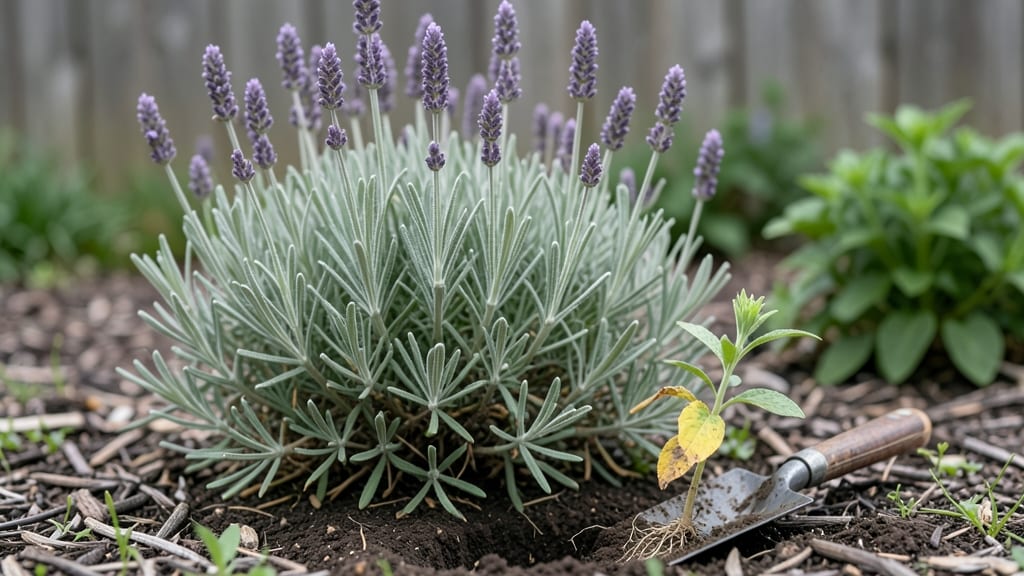
Follow these lavender planting instructions to coax fragrant, drought-tolerant blooms from nursery starts in just two growing seasons—if you perfect the soil, sunlight, and spacing from the start.
I’ve killed more lavender than I’d like to admit by ignoring these basics, but once I got them right, my plants thrived with silver-green foliage and lavender-scented spikes that lasted all summer. The secret isn’t complicated: it’s about mimicking the dry, rocky conditions lavender loves in its Mediterranean homeland.
Start with well-draining soil—lavender hates soggy roots—and mix in coarse sand or gravel if your native soil is heavy. A full-sun spot (at least 6-8 hours daily) is non-negotiable, and spacing matters too: give plants 18-24 inches apart to prevent overcrowding.
Water deeply once after planting, then let the soil dry completely before watering again—this is where most beginners go wrong by keeping lavender too moist.
By late summer, you’ll be rewarded with vibrant purple blooms that attract bees and repel pests naturally. Prune lightly after flowering to encourage bushier growth, and avoid cutting into old wood—this keeps your plants productive for years.
The scent alone makes it worth the effort, but the low-maintenance nature is the real game-changer for busy gardeners.
Whether you’re planting in a sunny border, rock garden, or even containers, lavender adapts beautifully as long as you follow these rules. The key is patience—it takes one full year before lavender really establishes, but once it does, you’ll have a fragrant, drought-proof perennial that outlives most annuals.
Ready to get started?
📚 In This Guide
- What you need
- Instructions
- Tips and common mistakes
- Wrapping up and next steps
What you need
- ● Lavender plants: Choose English, French, or Spanish lavender (1–3 plants per pot or 1–2 plants per square foot in the ground). Opt for nursery-grown plants (not seeds) for faster results.
- ● Well-draining soil: Mix 50% potting soil with 50% coarse sand, perlite, or gravel (1 part sand/perlite to 1 part soil for pots). For in-ground planting, amend clay soil with 3–4 inches of sand or gravel.
- ● Containers (if potted): Use terracotta or fabric pots (5–7 inches wide) with drainage holes. Avoid plastic—it traps moisture and can rot roots.
- ● Drainage layer: 1–2 inches of pebbles or broken pottery shards at the bottom of pots to prevent soggy roots.
- ○ Slow-release fertilizer (optional but helpful): A balanced 10-10-10 or low-nitrogen (5-10-10) granular fertilizer (1 tbsp per plant at planting time).
- ● Pruning shears: Sharp, clean shears for trimming woody stems (sterilize with rubbing alcohol between cuts).
- ● Watering can or hose with a gentle nozzle: Lavender hates soggy soil—water deeply but infrequently.
- ● Mulch: Gravel or pebbles around the base (not touching stems) to retain heat and deter weeds.
- ● Epsom salt: 1 tbsp dissolved in water (monthly) for magnesium boost (great for purple intensity!).
- ● Compost tea: Diluted liquid compost (1:10 ratio) for a gentle nutrient boost.
- ● Plant labels: Mark varieties (e.g., “English Lavender”) to track growth habits.
- ● Sunlight meter or app: Ensure your spot gets 6–8+ hours of full sun daily (lavender is picky!).
Step-by-Step instructions for planting lavender
Here's how to establish lavender that thrives for years with minimal fuss.
Select the Perfect Planting Site
Lavender demands full sun—at least 6 hours daily—and well-draining soil. I always choose the driest, sunniest corner of my garden, often near a south-facing wall where heat radiates. Avoid low spots where water pools after rain, as soggy roots will kill your plants within weeks.
Test your soil by digging a 6-inch hole—if water doesn't drain within 2 hours, amend the area with 3 inches of coarse sand or gravel mixed into the top 12 inches of soil. Lavender's native Mediterranean roots can't tolerate compacted clay. If your site has heavy clay, consider raised beds or containers instead.
Prepare the Soil and Planting Hole
Mix 1 part garden soil with 1 part coarse sand (like horticultural sand) in a wheelbarrow. This improves drainage without smothering the roots. For each plant, dig a hole twice as wide as the root ball but only as deep—lavender roots should sit no deeper than they were in the nursery pot.
Gently loosen the roots of container-grown lavender before placing it in the hole. Press the surrounding soil firmly but don't compact it. Water deeply until moisture reaches 6 inches down, then let the soil dry completely before watering again. This mimics lavender's natural drought tolerance and prevents root rot.
Space Plants for Optimal Airflow
Plant lavender 18-24 inches apart in rows 24 inches apart to allow airflow and prevent fungal diseases. Crowding leads to weak stems and powdery mildew, which I've seen wipe out entire beds in humid summers. If you're planting a hedge, space them 12 inches apart but prune aggressively in the first year to encourage bushiness.
After planting, water deeply once more to settle the soil. Mulch lightly with 1 inch of gravel (never organic mulch) to keep roots cool and deter weeds. The gravel also helps prevent soil-borne diseases by reflecting sunlight and keeping foliage dry.
Establish Proper Watering Routine
Lavender is drought-tolerant once established, but young plants need consistent moisture for the first 6-8 weeks. Water deeply once a week unless rainfall provides 1 inch of moisture—check by measuring rain gauge or feeling 2 inches down with your finger. Overwatering is the fastest way to kill lavender, so let the soil dry completely between waterings.
After the first year, water only during prolonged dry spells. Mature lavender stores moisture in its woody stems and can survive on rainfall alone in most climates. If leaves yellow or stems soften, you're watering too much—cut back immediately.
Prune for Shape and Health
Prune lavender immediately after flowering in early summer to maintain shape and encourage next year's blooms. Use clean, sharp shears to trim back one-third of the current year's growth, cutting just above a set of leaves. Never cut into old wood—the stems won't regrow, and you'll lose the plant.
In late winter or early spring, remove any dead or damaged stems at the base. This prevents disease from spreading through the plant. Avoid heavy pruning in fall, as lavender needs its foliage to photosynthesize during winter dormancy. With proper pruning, your lavender will reward you with fragrant blooms for 10+ years.
Tips & tricks for perfect lavender planting
A few key strategies will help you avoid common pitfalls and ensure your lavender thrives for years to come.
Soil Preparation Insight: The 6-hour daily sun requirement is non-negotiable, but soil preparation is where many gardeners make their first mistake. When testing drainage in Step 1, pour a gallon of water into the 6-inch hole and time how long it takes to drain completely. If it takes longer than 2 hours, you'll need to amend with more than just the suggested 3 inches of sand—consider doubling that amount for heavy clay soils. The goal is to mimic the fast-draining conditions of lavender's Mediterranean homeland.
Root Care Technique: In Step 2, that initial deep watering after planting is crucial, but don't make the mistake of assuming "deep" means pouring until water pools on top. Instead, water slowly until moisture reaches 6 inches down—you should see water emerging from the sides of the hole. This ensures proper root establishment without waterlogging. I've seen lavender plants die within weeks from overzealous watering that led to root rot.
Spacing Strategy: The 18-24 inch spacing in Step 3 might seem generous, but it's essential for preventing powdery mildew, which thrives in crowded, humid conditions. If you're planting in a particularly humid climate, increase spacing to 24-30 inches. For hedges, consider planting in two staggered rows with 12-inch spacing between plants in each row but 24 inches between rows—this creates better airflow while maintaining the hedge appearance.
Watering Wisdom: During that critical 6-8 week establishment period in Step 4, consistency is key—but don't rely solely on a weekly schedule. Check soil moisture by feeling 2 inches down with your finger. If it's dry, water deeply; if it's still moist, wait another day. I've found that using a soil moisture meter during this period helps prevent both underwatering and overwatering, which are the two most common causes of lavender failure.
Pro Tips for Lavender Planting Instructions
- A few key strategies will help you avoid common pitfalls and ensure your lavender thrives for years to come.
- Soil Preparation Insight: The 6-hour daily sun requirement is non-negotiable, but soil preparation is where many gardeners make their first mistake.
- Root Care Technique: In Step 2, that initial deep watering after planting is crucial, but don't make the mistake of assuming "deep" means pouring until water pools on top.
Frequently asked questions
Got questions about growing lavender? You’re not alone!
Here are answers to the most common queries—from planting to care—to help your purple perennials thrive with minimal stress.
When is the best time to plant lavender?
The ideal window is early spring (after the last frost) or early fall (6–8 weeks before the first frost). Lavender hates soggy roots, so avoid planting in winter or during rainy seasons. If you’re in a mild climate, spring is your safest bet for strong root establishment.
How often should I water lavender?
Lavender is drought-tolerant once established—water deeply once a week (or every 10–14 days in extreme heat). Overwatering is the #1 killer! After planting, keep soil lightly moist for 2–3 weeks, then reduce to only when the top 1–2 inches of soil are dry.
Can lavender grow in partial shade?
While lavender prefers full sun (6+ hours/day), it can survive in partial shade (4–6 hours of sun)—but expect slower growth and less fragrance. If your yard is shady, choose compact varieties like ’Hidcote’ or ’Munstead’, and ensure well-draining soil. Avoid deep shade; it weakens the plant.
Why is my lavender turning yellow or brown?
Yellowing leaves often signal overwatering or poor drainage, while brown tips usually mean underwatering or heat stress. Check soil moisture (it should dry out between waterings) and ensure proper spacing (18–24 inches apart). If fungal issues appear, trim affected stems and improve airflow.
Is lavender invasive or easy to control?
Nope! Lavender is not invasive—it spreads slowly via underground runners (not aggressive like mint). To keep it tidy, prune back 1/3 of the plant in early spring and divide clumps every 3–4 years if overcrowding occurs. Mulch lightly with gravel (not organic mulch) to deter weeds.
Pro Tip:
Struggling with pests? Lavender rarely has issues, but aphids or lavender mites can appear. Blast off pests with a strong spray of water or use neem oil for stubborn infestations. Healthy lavender = happy pollinators!
Wrapping up and next steps
Planting lavender is a rewarding journey that brings fragrant beauty to your garden with just a little patience and care! 🌿 By choosing the right variety, preparing well-draining soil, and giving your plants plenty of sunlight, you’ll be well on your way to a thriving purple perennial.
Remember, consistency in watering and pruning keeps lavender happy and blooming year after year.
Now that you’re armed with these lavender planting instructions, why not take the next step? Grab your gardening gloves and start planting—your future fragrant retreat awaits! 🌸