
Planting
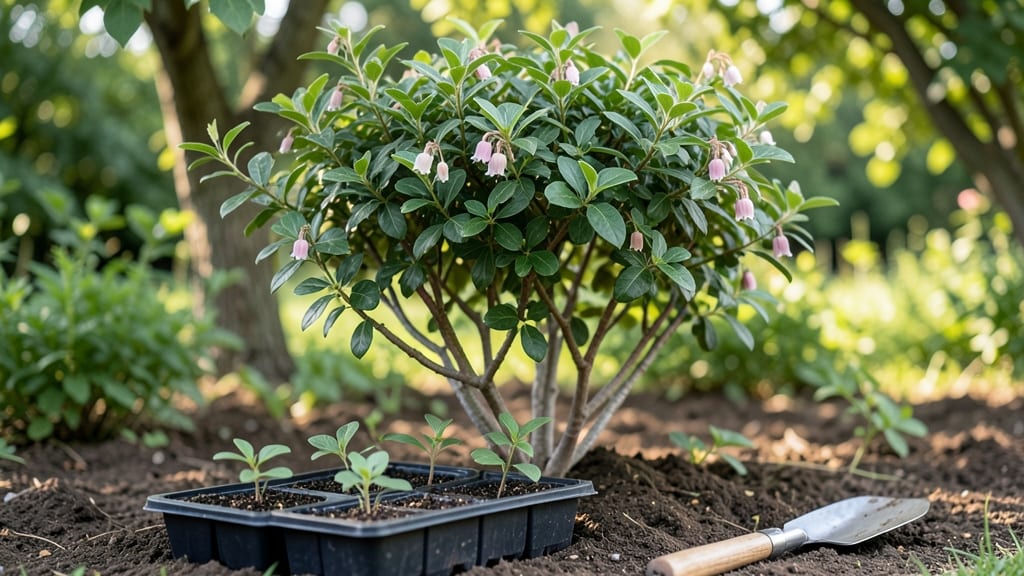
Here are some blueberry planting tips that will turn your seedlings into a bountiful summer harvest—trust me, soil acidity, sunlight, and spacing aren’t just details, they’re the secret to success. 🌿 for bushes that thrive instead of struggle.
The difference between a handful of berries and a full harvest often comes down to these basics.
Start with slightly acidic soil (pH 4.5–5.5) and plant in late fall or early spring when roots establish before extreme heat. Space bushes 3–6 feet apart—crowding leads to disease and poor fruit.
Containers work too, but pick deep pots with drainage holes and acidic potting mix. Most beginners overwater, so let soil dry slightly between waterings; soggy roots rot faster than you’d think.
📚 In This Guide
- What you need
- Instructions
- Tips and common mistakes
- Wrapping up and next steps
What you need
- ● Blueberry plants: 3–6 disease-resistant seedlings (Northern or Southern highbush varieties, depending on your climate).
- ● Well-draining soil: Acidic (pH 4.5–5.5), rich in organic matter (peat moss, pine bark, or compost).
- ● Fertilizer: Acid-loving plant fertilizer (e.g., Osmocote or Miracle-Gro for Azaleas/Rhododendrons).
- ● Mulch: 2–3 inches of pine bark or wood chips (avoid cedar—it’s toxic!).
- ● Watering system: Drip irrigation or soaker hoses (blueberries hate soggy roots!).
- ● Garden trowel or spade (for digging holes).
- ● Pruning shears (sterilized with rubbing alcohol).
- ● Gloves (to protect from thorns and soil).
- ● pH testing kit (to monitor soil acidity).
- ● Measuring tape (for spacing plants 4–6 feet apart).
- ● Row covers (for frost protection in early spring).
- ● Bird netting (to save ripe berries from pecky pests!).
- ● Epsom salt (occasional magnesium boost for soil).
- ● Blueberry plant food (like Espoma Blueberry Tone).
Step-by-step instructions for planting blueberry bushes
Here's the foolproof method I've used to grow productive blueberry bushes—no guesswork, just science-backed results.
🌱 Step 1: Choose the Right Variety and Site Location
Blueberries thrive best in acidic soil with pH between 4.5 and 5.5. Select a bush variety suited to your climate: northern highbush (zones 3-7), southern highbush (zones 6-10), or rabbiteye (zones 7-9). I always plant at least one male bush for every four females to ensure pollination.
Pick a spot with full sun exposure (6-8 hours daily) and well-draining soil. Blueberries hate soggy roots, so avoid low-lying areas where water pools. If your soil isn't naturally acidic, you'll need to amend it with peat moss or sulfur—I'll cover that in the next step.
🪴 Step 2: Prepare the Planting Hole and Soil
Dig a hole twice as wide as the root ball but only as deep. This encourages roots to spread horizontally instead of settling too deep. Gently loosen the roots if they're circling the root ball—blueberries hate root-bound conditions.
Mix the excavated soil with equal parts peat moss or pine bark fines to lower pH and improve drainage. For every cubic foot of soil, add 1 tablespoon of iron sulfate or aluminum sulfate if your soil test shows pH above 6.0. Fill the hole halfway with this amended mix before placing the plant.
☀️ Step 3: Plant and Mulch for Moisture Retention
Position the bush so the top of the root ball sits 1-2 inches above ground level. This prevents water from pooling around the stem and causing rot. Backfill with the amended soil, pressing gently to remove air pockets but not compacting too firmly.
Water deeply to settle the soil, then apply a 3-inch layer of pine straw mulch around the base, keeping it 6 inches away from the stem. Mulch retains moisture and slowly acidifies the soil over time. Avoid wood chips—they can raise pH and attract pests.
💧 Step 4: Water and Fertilize for First-Year Establishment
Blueberries need 1-1.5 inches of water weekly, more during fruit production. Water at the base, avoiding leaves to prevent fungal diseases. I use a soaker hose for deep, even moisture—blueberries hate dry soil but also despise soggy conditions.
In early spring, apply a balanced organic fertilizer (10-10-10) at half-strength. Blueberries are light feeders—too much nitrogen produces leafy growth at the expense of fruit. In late spring, switch to an acid-loving plant fertilizer to maintain soil pH.
✂️ Step 5: Prune and Monitor for Long-Term Health
Prune in late winter or early spring before new growth begins. Remove dead, diseased, or crossing branches, cutting back to healthy wood. Thin out crowded stems to improve airflow and fruit quality. I never remove more than 25% of the plant in one season—blueberries are sensitive to aggressive pruning.
Test soil pH annually and amend if needed. Watch for signs of stress: yellowing leaves may indicate high pH, while small or tart berries suggest insufficient acidity. With proper care, your bushes will bear fruit in 2-3 years and produce for decades.
Tips & tricks for perfect blueberry planting success
Here’s what I’ve learned after years of growing thriving blueberry bushes—these details make all the difference between a struggling plant and a productive, fruit-bearing powerhouse.
Soil pH is non-negotiable: While the instructions specify a pH range of 4.5-5.5, I can’t stress enough how critical this is. If your soil tests above 6.0, you’ll need to amend it aggressively—peat moss or pine bark fines won’t be enough. Consider adding 1 tablespoon of aluminum sulfate per cubic foot of soil and retesting in 3-4 months. Blueberries simply won’t thrive in alkaline soil, no matter how much you water or fertilize.
Root ball positioning matters more than you think: When planting in Step 3, that 1-2 inch elevation above ground level isn’t just about preventing rot—it’s about airflow. Elevated roots stay drier and warmer, which blueberries love. If your soil is particularly heavy clay, consider adding a small mound of soil to create this elevation before planting. This simple adjustment can prevent years of root rot.
Watering strategy prevents two common failures: The 1-1.5 inches weekly guideline is perfect, but timing matters just as much. Water in the morning so leaves dry by evening—this prevents fungal diseases like botrytis. I’ve seen blueberries with perfect watering schedules fail because of evening watering. Also, never let the soil dry completely between waterings—blueberries hate drought stress, which leads to poor fruit set.
Pruning is an art, not a science: While the instructions mention removing dead or crossing branches, here’s the secret: focus on the oldest wood first. Blueberries fruit on 2-year-old wood, so pruning out older branches encourages new growth where fruit will develop. And never prune more than 25% in one season—this isn’t a hedge, it’s a fruit producer. I’ve seen gardeners over-prune and end up with no berries for years.
Pro Tips for Blueberry Planting Tips
- Here’s what I’ve learned after years of growing thriving blueberry bushes—these details make all the difference between a struggling plant and a productive, fruit-bearing powerhouse.
- Soil pH is non-negotiable: While the instructions specify a pH range of 4.5-5.5, I can’t stress enough how critical this is.
- Root ball positioning matters more than you think: When planting in Step 3, that 1-2 inch elevation above ground level isn’t just about preventing rot—it’s about airflow.
Frequently asked questions
Got questions about growing your own blueberry bushes? You’re not alone—planting and caring for blueberries can feel tricky at first! Below, we’ve answered the most common questions to help you grow thriving bushes with confidence.
What’s the best time of year to plant blueberry bushes?
Plant blueberries in early spring (after the last frost) or late fall (6–8 weeks before the first frost). Spring planting gives roots time to establish before summer heat, while fall planting allows them to settle before winter dormancy. Avoid planting in extreme heat or cold—aim for soil temps between 40–60°F (4–15°C).
Can I grow blueberries in containers, or do they need a garden bed?
Blueberries thrive in containers if you choose the right variety (like ‘Top Hat’ or ‘Peach Sorbet’) and provide acidic soil (pH 4.5–5.5). Use a large pot (12+ inches deep) with a mix of peat moss, pine bark, and sand. Containers dry out faster, so water consistently and fertilize with an acid-loving plant food every 4–6 weeks.
Why are my blueberry leaves turning yellow, and how do I fix it?
Yellow leaves often signal nutrient deficiencies (like nitrogen or magnesium) or pH issues. Test your soil—blueberries need acidic soil (pH 4.5–5.5). If the pH is too high, amend with sulfur or peat moss. For deficiencies, use a balanced fertilizer (like 10-10-10) in early spring and a magnesium sulfate (Epsom salt) spray if needed.
Are blueberry bushes prone to pests, and how do I prevent them?
Common pests include blueberry maggots, aphids, and spider mites. Prevent issues with proper spacing (3–6 feet apart) for airflow and mulch to deter weeds. For organic control, spray neem oil or introduce beneficial insects like ladybugs. Prune regularly to remove infested branches, and avoid overwatering, which attracts pests.
How long does it take for blueberry bushes to produce fruit?
Patience is key! Dwarf varieties may fruit in 1–2 years, while standard bushes take 2–3 years. Ensure your plant gets full sun (6+ hours/day), acidic soil, and consistent watering. Mulch with pine needles or wood chips to retain moisture and acidity. With proper care, you’ll soon be harvesting juicy, antioxidant-rich berries!
Wrapping up and next steps
Growing blueberries is a rewarding journey that combines patience, care, and a little know-how! 🌱 From selecting the right soil and planting at the perfect time to nurturing your bushes with love (and the occasional mulch), you’re well on your way to a bountiful harvest.
Remember, healthy soil, proper spacing, and consistent watering are the secrets to thriving bushes—and soon, you’ll be savoring homegrown berries straight from the vine.
Ready to take the next step? Start small—plant a few bushes this season—and let your garden grow with confidence! Happy planting! 🌿