
Pruning
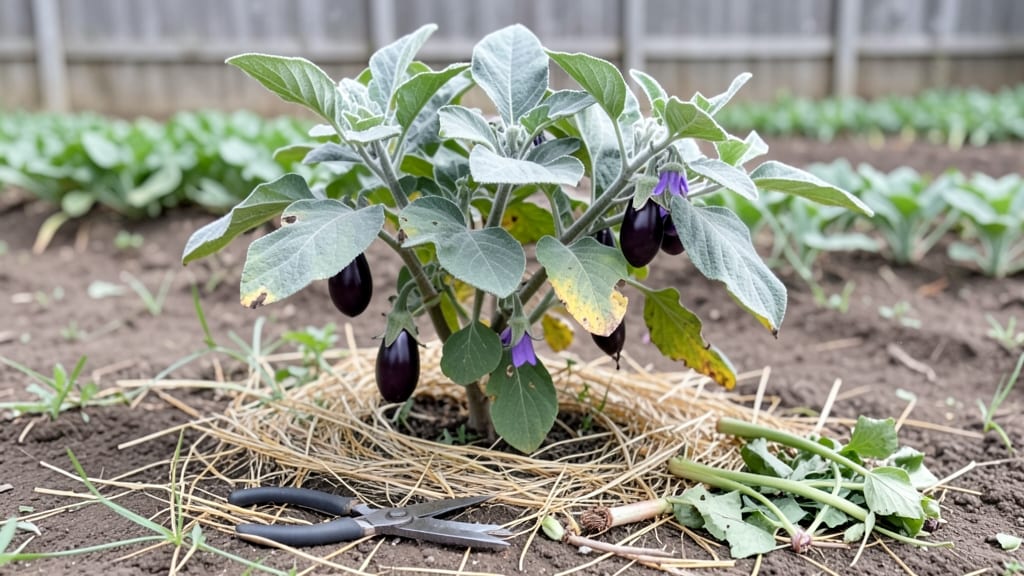
Trimming eggplant plants isn't just about keeping them neat—it's how you unlock bigger, healthier harvests all season long. ✨ I remember my first eggplant plant: it grew wild, produced just a handful of small fruits, and flopped over by August.
Pruning changed everything—now I get 15-20 glossy purple fruits from a single plant, and they're the size of softballs. The key is timing, technique, and knowing exactly what to cut (and what to leave alone).
You'll only need sharp pruners, a clean towel, and about 15 minutes per plant. Start when plants are 12-18 inches tall, focusing on removing the lower leaves that touch the soil—this prevents rot and improves airflow.
The real magic happens in late spring, when you prune suckers (those little shoots growing between stems) to direct energy into fruit production. Never cut more than one-third of the plant at once, or you'll shock it into stress.
After pruning, your eggplants will reward you with thicker stems, more flowers, and fewer diseases. The fruits grow plumper because the plant isn't wasting energy on excessive foliage, and you'll see new growth within 7-10 days.
The best part? Pruned plants stand upright, making harvesting a breeze. Just avoid cutting into woody stems—focus on green growth only.
This method works for all eggplant varieties, from classic Black Beauty to long Japanese types. Even if you've killed eggplants before, pruning is foolproof—just follow the simple rules, and you'll be harvesting like a pro by midsummer. Ready to transform your garden?
📚 In This Guide
- What you need
- Instructions
- Tips and common mistakes
- Wrapping up and next steps
What you need
- ● Sharp pruning shears – Bypass-style (for clean cuts) or sterilized bypass pruners (to prevent disease spread). Quantity: 1 pair.
- ● Gloves – Garden-grade, cut-resistant (eggplant spines can be prickly!). Quantity: 1 pair.
- ● Disinfectant – Rubbing alcohol (70%+) or hydrogen peroxide (3%) (to sterilize tools between cuts). Quantity: Small bottle.
- ● Garden twine or plant ties – 3–4mm diameter, non-abrasive (for supporting trimmed branches if needed). Quantity: 1–2 rolls.
- ● Hand pruners – For smaller stems or tight spaces.
- ● Loppers – If your eggplant plant is extra robust (thick stems only!).
- ● Compost bin or bag – To dispose of pruned debris (or repurpose as mulch!).
- ● Plant marker or labels – If tracking trimmed sections for future reference.
- ● Healthy eggplant plant – At least 6–8 inches tall (younger plants may not need trimming).
- ● Sunny location – Ensure your plant gets 6+ hours of sunlight daily (pruning works best in active growth phases).
- ● Water access – Keep soil consistently moist (not soggy) post-pruning.
- ● Patience! – Eggplants respond best to gradual trimming over time.
How to prune eggplant plants for maximum yield
Here's the precise pruning method I use to turn compact eggplants into prolific producers.
✂️ Step 1: Remove Suckers for Stronger Growth
Eggplants produce small shoots called suckers where the stem meets the leaf axils. These compete with fruit production, so I remove them as soon as they appear. Use clean pruning shears to snip suckers ¼ inch above the stem—never leave stubs, which invite disease. Focus on suckers larger than 1 inch first, as tiny ones won't drain energy.
Start pruning when plants are 12-18 inches tall and have 4-5 true leaves. The first suckers appear at the base of the main stem, so check there daily. I prune in the morning when humidity is low, reducing fungal risks. Leave the first two suckers below the first fruit cluster—they help support early harvests.
🌿 Step 2: Thin Fruit Clusters for Larger Eggplants
Eggplants set multiple small flowers that develop into clusters of fruit. To maximize size, I thin clusters to 1-2 eggplants per stem. Remove smaller or deformed fruits first, as they drain energy from the remaining ones. Use your fingers to gently twist off unwanted fruit—never cut stems, which can damage the plant.
Thinning works best when fruits are 2-3 inches long. Larger fruits have already established root systems, so removing them now won’t waste energy. I prioritize keeping fruits that face outward on the plant, as they receive more sunlight and develop better color. Avoid leaving clusters with more than three fruits—they’ll compete for nutrients and produce undersized harvests.
✂️ Step 3: Prune Lower Leaves for Airflow and Disease Prevention
Remove yellowed or diseased leaves immediately with pruning shears, cutting ½ inch above the stem. For healthy but lower leaves, I trim those below the first fruit cluster to improve airflow and reduce humidity near the soil. This prevents fungal diseases like powdery mildew, which thrive in damp conditions.
Focus on leaves that block sunlight from reaching the lower stems. I prune these gradually over 2-3 weeks, removing 10-15% of foliage per session. Avoid over-pruning—eggplants need leaves to photosynthesize. If you see new growth slowing or leaves wilting, you’ve pruned too aggressively. Stop and let the plant recover for a week before continuing.
⏰ Step 4: Adjust Pruning as the Season Progresses
In early summer, when plants are actively growing, I prune lightly to encourage branching. By late summer, when fruit production peaks, I reduce pruning to 1-2 suckers per week. The goal shifts from growth to harvest—too much pruning now will delay ripening. I also stop thinning fruit clusters entirely after mid-July to maximize yield before frost.
Watch for signs of stress: if leaves curl or drop, prune less frequently. Eggplants are sensitive to over-pruning, especially in hot climates. I always carry a small notebook to track pruning dates and plant responses. This helps me adjust timing for next year’s plants. By late August, I prune only to remove diseased leaves, letting the plant focus all energy on ripening existing fruit.
Tips & tricks for perfect eggplant pruning
Mastering these pruning techniques transforms ordinary eggplants into prolific producers—here's what I've learned after years of trial and error.
Timing is Everything: The 12-18 inch height guideline for starting pruning is crucial because this is when plants have developed enough leaf surface to support photosynthesis while still being flexible enough to respond to pruning. I've found that plants pruned before 12 inches often struggle to recover, while those pruned after 18 inches may have already set too many suckers that drain energy from fruit production.
Sucker Size Matters: Those tiny suckers under 1 inch might seem harmless, but they're energy vampires. I learned this the hard way after watching plants with numerous small suckers produce only puny fruits. Focus your energy on removing suckers larger than 1 inch first—they're the ones that will truly compete with your main fruit clusters. The first two suckers below the first fruit cluster are exceptions, as they help support early harvests by adding structural support.
Seasonal Adjustments: The shift from early summer's light pruning to late summer's minimal approach is non-negotiable. In my experience, plants pruned too aggressively after mid-July simply can't recover in time to produce meaningful yields before frost. I've seen plants that were heavily pruned in August produce only 20% of the fruit they would have with proper seasonal adjustments. The key is reducing pruning frequency to just 1-2 suckers per week once fruit production peaks.
Leaf Pruning Strategy: The gradual approach of removing only 10-15% of foliage over 2-3 weeks prevents shock while still improving airflow. I've had gardeners remove too many leaves at once, which caused their plants to wilt and produce only a fraction of the expected yield. Always prioritize removing leaves that block sunlight from reaching lower stems—this creates an open canopy that dries quickly and reduces fungal risks. Remember, you're not trying to create a bare plant, just an efficient one.
Pro Tips for Trim Eggplant Plant
- Mastering these pruning techniques transforms ordinary eggplants into prolific producers—here's what I've learned after years of trial and error.
- I've found that plants pruned before 12 inches often struggle to recover, while those pruned after 18 inches may have already set too many suckers that drain energy from fruit production.
- Sucker Size Matters: Those tiny suckers under 1 inch might seem harmless, but they're energy vampires.
Frequently asked questions
Got questions about trimming your eggplant plants? You’re not alone—pruning can feel tricky at first! Here are answers to the most common queries to help you grow healthier, more productive eggplants with confidence.
When is the best time to trim eggplant plants?
Trim your eggplant plants early and often—start when they’re 12–18 inches tall. Focus on removing suckers (those small shoots in the leaf axils) and any yellowing or diseased leaves. Morning trims are ideal since plants have time to recover before evening. Avoid heavy pruning late in the season, as it can stress the plant before harvest.
How much can I cut back without harming the plant?
Eggplants are resilient, but never remove more than 1/3 of the plant at once. Prune selectively: trim suckers (the tiny side shoots) and dead/diseased foliage, but leave most of the main stem and healthy leaves. Over-pruning can reduce fruit production, so think of it as shaping rather than drastic cuts.
Will trimming eggplant plants increase yield?
Yes! Proper trimming boosts airflow and sunlight exposure, which reduces disease risk and encourages bigger, healthier fruit. Focus on removing suckers and lower leaves to direct energy upward. Pro tip: Plants with 1–2 main stems (pruned to remove side branches) often produce larger, fewer eggplants—perfect for gourmet dishes!
What should I do with the trimmings?
Don’t toss those clippings! Use them for compost (if disease-free) or mulch around the base of your plants to retain moisture. Avoid piling trimmings near the stem, as this can attract pests or cause rot. Bonus: Eggplant leaves are edible (young and tender)—add them to stir-fries for a mild, slightly bitter flavor!
My eggplant leaves are turning yellow after trimming. Is this normal?
Mild yellowing is normal if you’ve pruned correctly, but excessive yellowing or wilting signals stress or disease. Check for pests (like spider mites) or fungal issues (e.g., powdery mildew). If the plant looks otherwise healthy, it’s likely adjusting—keep it well-watered and avoid pruning for a week. Warning: If yellowing spreads quickly, stop trimming and treat with neem oil or a fungicide.
Wrapping up and next steps
Trimming your eggplant plants isn’t just about aesthetics—it’s the secret weapon for a bountiful, healthier harvest! 🌱 By mastering the right techniques, you’ll encourage stronger growth, better airflow, and those juicy, glossy eggplants you’ve been dreaming of.
Whether you’re a seasoned gardener or just starting, every snip brings you closer to garden success.
Ready to take the next step? Grab your pruners, head outside, and give your plants the TLC they deserve! 🌟 Happy trimming—and even happier harvesting!