
Landscaping
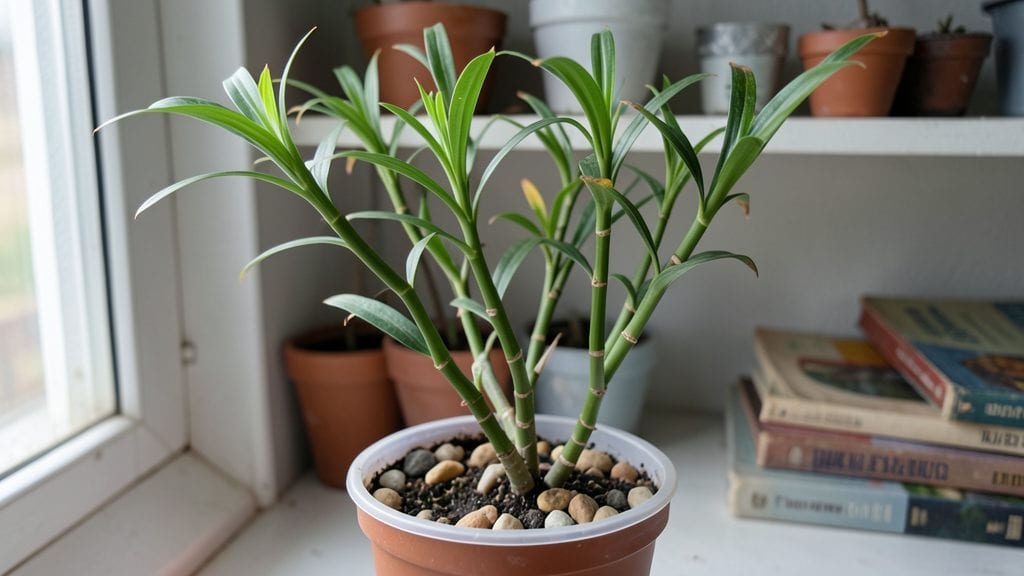
A bamboo plant fence grows faster than any wooden or metal screen—imagine a lush, wind-blocking wall in just three years. ✨ I planted mine last spring, and by summer, the canes were already taller than my waist, casting dappled shade and cutting wind in half.
The best part? No construction noise, no permits, and zero maintenance compared to traditional fencing.
Clumping bamboo varieties like Bambusa multiplex or Fargesia stay contained and won’t take over your yard. You’ll need 3–5 canes per linear foot, planted 12–18 inches apart in well-drained soil. The key to fast growth is consistent moisture—think of it like watering a thirsty friend who never complains.
Within a year, you’ll have a dense screen that feels like a natural fortress.
By year three, your fence will be 6–10 feet tall, depending on the variety, with foliage so thick it blocks nosy neighbors and road noise. The texture is soft to the touch, and the rustling leaves create a soothing soundtrack for your patio.
Plus, it’s a windbreak that actually works—my outdoor furniture stays put even in storms.
Works in zones 5–10, though colder climates need winter protection. Pair with evergreen shrubs like boxwood or holly for year-round structure. The only trick? Start with the right bamboo—running types spread aggressively, while clumpers stay put. Ready to grow your own living fence?
📚 In This Guide
- What you need
- Instructions
- Tips and common mistakes
- Wrapping up and next steps
What you need
- ● Bamboo poles: 10–20 poles (depending on fence height—6–10 feet tall and 2–4 inches in diameter). Opt for clumping bamboo (non-invasive) for best results.
- ● Post-hole digger or auger (for digging holes 12–18 inches deep).
- ● Concrete mix (pre-mixed bags, ~50 lbs per post) or gravel (for drainage).
- ● Galvanized metal stakes or bamboo stakes (for securing poles temporarily).
- ● Twine, zip ties, or landscape staples (to bind poles together).
- ○ Mulch or landscape fabric (optional, to suppress weeds).
- ● Measuring tape (for precise spacing—aim for 3–6 inches between poles).
- ● Level (to keep your fence plumb and straight).
- ● Hammer or mallet (for driving stakes).
- ● Pruning shears (to trim bamboo to your desired height).
- ● Gloves (because bamboo splinters can be sneaky!).
- ● Check local regulations: Some areas restrict bamboo growth—call your HOA or city planning office first!
- ● Sunlight: Plant in partial shade to full sun for optimal growth.
- ● Soil prep: Amend clay or rocky soil with compost for better drainage.
- ● Watering can or hose (new bamboo needs 1–2 inches of water weekly for the first year).
Step-by-Step instructions for creating a bamboo privacy screen
Here’s how to establish a lush, fast-growing bamboo barrier that delivers full privacy within three years.
🌱 Step 1: Select and Prepare the Planting Site
Choose a location with partial shade to full sun—bamboo thrives in moist, well-draining soil but tolerates a range of light conditions. Clear the area of weeds and debris, then loosen the top 12 inches of soil with a shovel or tiller. This improves root penetration and reduces competition from existing plants.
Bamboo spreads aggressively, so dig a trench 2 feet wide and 2 feet deep along your desired fence line. Line the trench with landscape fabric to contain roots—this prevents bamboo from invading other areas of your yard. Secure the fabric with stakes every 3 feet to keep it in place during planting.
🌿 Step 2: Plant Bamboo Clumps at Spaced Intervals
Dig holes 1 foot deeper and twice as wide as the bamboo clumps’ root balls. Space plants 3-5 feet apart for a dense screen—closer spacing speeds up coverage but requires more frequent thinning later. Place each clump in the hole, ensuring the top of the root ball sits 1-2 inches below soil level.
Fill the hole with soil, tamping gently to remove air pockets. Water deeply until the soil is evenly moist but not soggy. Mulch the surface with 2-3 inches of organic mulch to retain moisture and suppress weeds. Avoid piling mulch against the stems, which can cause rot.
💧 Step 3: Water and Fertilize for Rapid Growth
Keep the soil consistently moist for the first 3 months, watering 2-3 times per week unless rainfall provides adequate moisture. Bamboo roots establish quickly, but young plants need steady hydration to support their rapid vertical growth. You’ll see new shoots emerge within 4-6 weeks—this is your signal that the plants are thriving.
Apply a balanced, slow-release fertilizer (10-10-10 ratio) at planting and again in early spring. Avoid high-nitrogen fertilizers, which promote leafy growth at the expense of sturdy stems. Instead, focus on phosphorus and potassium to strengthen root development and structural integrity.
✂️ Step 4: Prune and Maintain for Density
Once the bamboo reaches 6-8 feet tall, prune back any leggy or weak stems to encourage bushier growth. Cut just above a leaf node to stimulate branching. Thin out crowded clumps annually to maintain airflow and prevent disease. This also ensures your screen remains dense without becoming overgrown.
Monitor for invasive spread beyond your designated area. If bamboo begins encroaching on the landscape fabric, trim roots back with pruning shears and reinforce the barrier. In 2-3 years, your screen will reach full height, providing year-round privacy with minimal maintenance.
Tips & tricks for perfect bamboo plant fence installation
These insider strategies will help you create a lush, fast-growing bamboo screen that delivers full privacy in record time.
Soil Preparation is Key: Don't skip loosening that top 12 inches of soil in Step 1—it makes all the difference for root penetration. I've seen bamboo struggle when planted in compacted soil, so take the extra time to break it up thoroughly. For clay-heavy soils, mix in some compost to improve drainage while retaining moisture. The goal is to create an environment where those aggressive roots can spread quickly and establish firmly.
Root Barrier Reinforcement: When installing your 2-foot-deep trench with landscape fabric, I recommend double-layering the fabric at the corners where stakes meet. This is where bamboo roots are most likely to find weak points and escape. The extra reinforcement at these critical junctions prevents that "oh no" moment when you see bamboo popping up in your flower beds months later. Trust me on this—it's worth the few extra minutes during installation.
Watering Strategy: Those first 3 months are critical for establishing your bamboo screen. I've found that watering in the early morning gives the plants a head start on hydration before the heat of the day. If you're dealing with particularly dry conditions, consider using a soaker hose to deliver water directly to the root zone without disturbing the soil surface. Remember, consistent moisture is what fuels that rapid vertical growth we're all after.
Fertilizer Timing: The instructions mention applying fertilizer at planting and again in early spring, but here's what nobody tells you—those first few weeks after planting are when your bamboo needs nutrients most. Mix a handful of that 10-10-10 fertilizer right into the backfill soil when you're planting. This gives the young plants an immediate nutrient boost to support their rapid growth phase. Just be careful not to overdo it—the goal is to strengthen roots, not create leafy growth at the expense of sturdy stems.
Pro Tips for Bamboo Plant Fence
- These insider strategies will help you create a lush, fast-growing bamboo screen that delivers full privacy in record time.
- Soil Preparation is Key: Don't skip loosening that top 12 inches of soil in Step 1—it makes all the difference for root penetration.
- Root Barrier Reinforcement: When installing your 2-foot-deep trench with landscape fabric, I recommend double-layering the fabric at the corners where stakes meet.
Frequently asked questions
Got questions about creating a bamboo plant fence?
Here are some of the most common concerns—and answers—to help you plan your fast-growing privacy screen with confidence!
How fast does a bamboo fence actually grow?
A well-maintained bamboo fence can grow 3–5 feet per year, so you’ll see significant privacy in just 2–3 years! Clumping bamboo varieties (like Bambusa multiplex) are ideal—they grow upright and stay contained, unlike running bamboo, which spreads aggressively. Choose fast-growing species like Bambusa vulgaris for quicker results.
How much water does a bamboo fence need?
Bamboo thrives with 1–2 inches of water per week, especially during the first year. Overwatering can cause root rot, while underwatering stunts growth. Mulch around the base to retain moisture, and water deeply 2–3 times per week in hot climates. Once established, bamboo becomes drought-tolerant but still appreciates regular hydration.
Can bamboo survive in cold climates?
Most tropical bamboo varieties (like Bambusa) won’t survive freezing temps (<30°F), but hardy bamboo species (e.g., Fargesia or Phyllostachys) can tolerate zones 5–9. If you live in a colder area, opt for cold-hardy clumping bamboo and mulch heavily in winter to protect roots. Evergreen varieties are best for year-round privacy.
Do I need to prune my bamboo fence?
Yes! Prune dead, weak, or overcrowded canes in late winter or early spring to encourage healthy growth. Trim back any shoots that spread beyond your desired fence line. For a neat look, shear the tops 2–3 times per year to maintain height and density. Avoid heavy pruning in fall—it can stress the plant before winter.
What’s a good alternative if bamboo isn’t an option?
If bamboo’s invasive nature or climate limitations are concerns, consider these fast-growing alternatives:
- Arborvitae – Evergreen, deer-resistant, and great for formal hedges (slower but low-maintenance).
- Leyland Cypress – Grows 3–4 feet per year but needs pruning to stay contained.
- Privet Hedges – Dense, budget-friendly, and tolerates trimming well.
- Hornbeam or Alder Trees – For taller, natural-looking screens (slower but long-lived).
For instant privacy, combine a fast-growing hedge (like bamboo) with bamboo screening fabric for a hybrid solution.
Wrapping up and next steps
A bamboo plant fence isn’t just a dream—it’s a fast-growing, eco-friendly solution for privacy and beauty in just three years! 🌿 With the right species, soil prep, and care, you’ll enjoy lush greenery that thrives while requiring minimal maintenance.
Whether you’re shielding your backyard from neighbors or adding natural charm, bamboo delivers both function and style.
Ready to transform your space? Start by choosing your bamboo type and prepping the soil—then watch your privacy screen grow! For extra tips, check out our FAQ section or explore local nurseries for the best varieties. Your serene, secluded oasis awaits! 🌱✨