
Planting
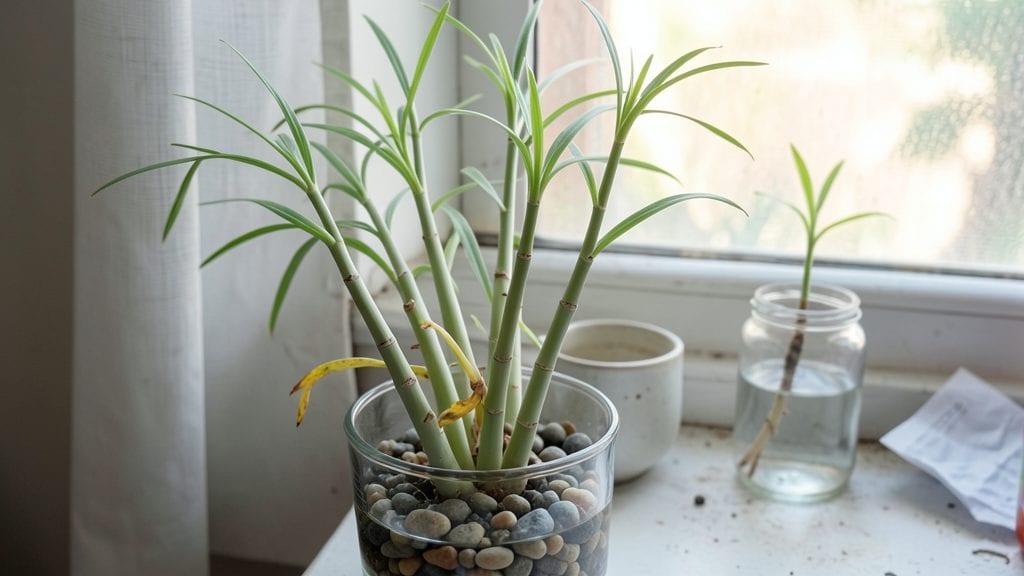
Planting black bamboo (Phyllostachys nigra) wrong turns your yard into an unruly jungle within years. ✨ The key to controlling this fast grower starts with strategic spacing—something I learned after watching my first clump spread faster than expected.
Instead of digging trenches or expensive barriers, you can tame its growth with the right planting technique and a little upfront planning.
Start with 15- to 20-foot spacing between clumps, and dig a 3-foot-deep trench filled with hard materials like concrete or metal sheets to contain roots. Black bamboo thrives in partial shade to full sun and well-drained soil—amend heavy clay with compost before planting.
Water deeply after installation, then let nature take over while you monitor for early signs of spread.
📚 In This Guide
- What you need
- Instructions
- Tips and common mistakes
- Wrapping up and next steps
What you need
- ● Black bamboo rhizomes: 3–5 per linear foot (depending on desired density). Choose Phyllostachys nigra (or a reputable hybrid) from a trusted nursery.
- ● Shovel or spade: A sturdy, 12–16" digging tool for planting and soil prep.
- ● Garden gloves: Heavy-duty to protect against sharp bamboo edges and soil.
- ● Measuring tape or string line: For marking precise spacing (see strategic spacing guide).
- ● Root barrier fabric: 2–3 ft deep, 100% high-density polyethylene (HDPE). Width depends on planting area.
- ● Stakes and landscape staples: To secure the root barrier in place.
- ● Compost or well-aged manure: 2–3 gallons per planting hole for nutrient-rich soil.
- ○ Mulch (optional but recommended): 2–3 inches of wood chips or straw to retain moisture.
- ● Pruners or loppers: For trimming new shoots (keep them sharp!).
- ● Wheelbarrow: To haul soil, compost, or mulch.
- ● Watering can or hose with nozzle: For gentle, deep watering.
- ○ Soil pH tester (optional): Black bamboo thrives in slightly acidic soil (pH 5.5–6.5).
- ● Fertilizer (balanced, slow-release): 10-10-10 or similar, applied sparingly after planting.
Step-by-Step guide to planting black bamboo for controlled growth
Mastering black bamboo spacing is the key to preventing invasive spread while maximizing ornamental impact.
🌱 Step 1: Select and Prepare the Planting Site
Black bamboo thrives in partial shade to full sun, but its growth rate dramatically increases with more light. Choose a location with at least 4 hours of morning sun—this balances vigor while keeping spread manageable. Avoid low-lying areas where water pools, as black bamboo roots need excellent drainage to prevent rot.
Test your soil's drainage by digging a 12-inch hole and filling it with water. If it drains completely within 30 minutes, the site is suitable. Amend heavy clay soils with 3 inches of coarse sand mixed into the top 12 inches of native soil. This ensures roots grow downward rather than spreading laterally.
🪴 Step 2: Dig Strategic Planting Holes with Root Barriers
For each of your 4 plants, dig holes twice as wide as the root ball but only as deep as the container. Black bamboo's rhizomes spread aggressively, so install 24-inch deep root barriers made of HDPE plastic or corrugated metal on three sides of the planting area. Bury the barrier 12 inches deep and extend it 12 inches above ground to contain underground runners.
Place the first plant in the center of the hole, then backfill with native soil mixed with 1 part compost to encourage early root establishment. Water deeply until moisture reaches 6 inches down. The barrier's fourth side should face away from your property line or desirable spread direction—this creates a natural growth corridor.
✂️ Step 3: Space Plants for Optimal Airflow and Light Penetration
Arrange your 4 plants in a 4x4-foot square (16 square feet total). This spacing prevents overcrowding while allowing foliage to fill in naturally. Black bamboo's 3-foot mature width means plants will eventually touch, creating a dense screen without invasive gaps. For taller varieties, space 6 feet apart to maintain vertical structure.
Stagger plants in a diamond pattern rather than a grid—this creates visual interest while reducing competition for nutrients. After planting, apply a 2-inch layer of wood chips around each plant to suppress weeds and retain moisture. Mulch extends 12 inches from the stem but avoid piling against the trunk to prevent rot.
💧 Step 4: Establish a Watering Routine for Root Development
Water deeply twice weekly for the first 6 weeks, providing 1 gallon per plant each time. Black bamboo's rhizomes need consistent moisture to establish before they can tolerate drought. Check soil moisture by inserting your finger 3 inches down—water when dry. Overwatering causes rhizomes to rot before they can spread, undermining your containment efforts.
After the initial establishment period, reduce watering to once weekly during dry spells. Mature black bamboo is drought-tolerant once roots are fully developed, but young plants benefit from drip irrigation placed 12 inches from the stem. This encourages deep root growth rather than shallow surface runners that bypass your barriers.
☀️ Step 5: Prune and Monitor for Controlled Growth
Prune new shoots that appear outside the designated planting area within 4 weeks of emergence. Use clean, sharp pruners to cut at the soil line—this prevents regrowth from the severed stem. For mature plants, trim 1/3 of the oldest canes each spring to encourage new growth and maintain density.
Monitor the rhizome growth direction annually. If you notice runners approaching the barrier's edge, dig down to 12 inches and sever any underground stems with a spade. Black bamboo's rhizomes can grow 3 feet per year, so proactive pruning keeps your planting tidy. Fertilize lightly in spring with balanced 10-10-10 fertilizer—too much nitrogen fuels unchecked spread.
Tips & tricks for strategic black bamboo planting
These essential insights will help you maintain that perfect balance between ornamental impact and controlled growth that makes black bamboo such a rewarding plant.
Barrier Placement Strategy: When installing your 24-inch deep root barriers in Step 2, position the open side facing away from property lines or areas where you want to encourage natural spread. I've learned this the hard way—after planting with the barrier facing inward, I ended up with a dense clump in one spot and bare ground elsewhere. The open side creates a natural growth corridor while still containing the majority of rhizomes. Always bury the barrier 12 inches deep and extend it 12 inches above ground to prevent even the most determined runners from escaping.
Soil Preparation Insight: The 30-minute drainage test in Step 1 is crucial, but don't stop there. If your soil drains too quickly, mix in 1 part compost to the native soil when backfilling. This improves moisture retention during the critical first 6 weeks while still maintaining good drainage. I've seen many gardeners skip this step and end up with plants that struggle during dry periods—especially important if you're in a region with seasonal droughts.
Pruning Precision: When pruning new shoots in Step 5, don't just cut them at the base—sever them at the soil line using clean, sharp pruners. This prevents regrowth from the severed stem, which can happen if you leave even a small portion attached. I've seen many gardeners make this mistake and end up with persistent shoots that eventually break through the barriers. For mature plants, mark the oldest canes with flagging tape before trimming—this helps you identify which third to remove each spring for consistent maintenance.
Watering Technique: The twice-weekly watering routine in Step 4 works best when you water deeply until moisture reaches 6 inches down. Use a soil probe or your finger to check—if the soil feels dry 3 inches down, it's time to water. I've found that using drip irrigation placed 12 inches from the stem encourages deeper root growth rather than shallow surface runners that might bypass your barriers. This is particularly important during the first 6 weeks when roots are establishing.
Pro Tips for Black Bamboo Planting
- These essential insights will help you maintain that perfect balance between ornamental impact and controlled growth that makes black bamboo such a rewarding plant.
- Barrier Placement Strategy: When installing your 24-inch deep root barriers in Step 2, position the open side facing away from property lines or areas where you want to encourage natural spread.
- Soil Preparation Insight: The 30-minute drainage test in Step 1 is crucial, but don't stop there.
Frequently asked questions
Got questions about planting black bamboo? You’re in the right place! Here are answers to the most common concerns—from spacing secrets to troubleshooting tips—to help you grow this striking plant with confidence.
What’s the best spacing for black bamboo to prevent it from spreading?
Black bamboo (Phyllostachys nigra) spreads via rhizomes, so plant at least 6–8 feet apart in the ground or 12+ feet apart for clumping varieties. For containment, use underground rhizome barriers (30–40 inches deep) or plant in large containers. Pro tip: Space closer (4–5 feet) if you’re okay with slower, controlled spread in a large landscape.
When is the best time of year to plant black bamboo?
Plant in early spring or fall when temperatures are mild (50–70°F). Avoid extreme heat or frost—root establishment is key! If planting in summer, water deeply daily and use shade cloth until roots settle. Warning: Planting in winter (below 40°F) risks shock and poor growth.
Can I grow black bamboo in containers? How big should the pot be?
Yes! Containers work well for controlling spread. Use a pot at least 18–24 inches wide and deep for a single plant, with drainage holes. Repot every 2–3 years to refresh soil. Bonus: Move pots to sunnier spots in winter for extra growth.
Why is my black bamboo turning yellow or dying? Common fixes?
Yellowing leaves often signal overwatering, poor drainage, or fungal issues. Check soil moisture (keep evenly moist but not soggy) and ensure pots/containers drain well. Brown patches? Could be bamboo borers—treat with neem oil or introduce beneficial nematodes. Pro move: Trim dead fronds to redirect energy to healthy growth.
Are there non-invasive alternatives to black bamboo?
If you love bamboo’s look but want zero spread, try:
- Dwarf bamboo (Bambusa multiplex): Clumping, stays under 6 feet.
- Hedge bamboo (Fargesia spp.): Cold-hardy and non-invasive.
- Ornamental grasses (e.g., Miscanthus): Mimic bamboo’s texture without rhizomes.
Wrapping up and next steps
Planting black bamboo with strategic spacing is your secret weapon for keeping its growth in check while maximizing beauty. By choosing the right location, using barrier systems, and spacing clumps properly, you’ll enjoy a lush, controlled landscape without the hassle of runaway roots. 🌱
Ready to transform your space? Start by sketching your design—measure your yard, plan your barriers, and mark planting spots. Then, grab your tools and get growing! With patience and the right techniques, your black bamboo will thrive without taking over.