
Companion Plants
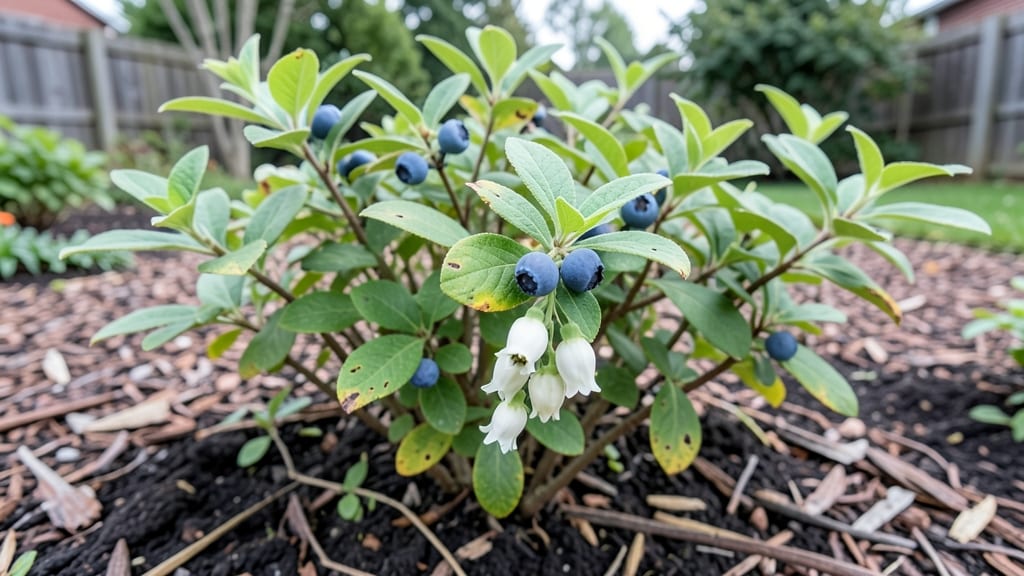
Growing Dimeo blueberry plants has been my secret weapon for turning tiny patios into berry-producing powerhouses—these compact bushes pack serious flavor and pollinator appeal in just 3 feet of space. 🌱 The first time I tasted their sweet-tart berries, I knew I’d never go back to store-bought again.
Their self-pollinating nature and disease resistance make them the easiest blueberries I’ve ever grown, even in containers.
These bushes thrive in well-draining soil with a pH between 4.5 and 5.5, which you can test with a simple kit from your local garden center. Morning sun is ideal, but they handle afternoon shade better than most varieties—perfect for urban balconies.
Water consistently, keeping the soil moist but never soggy, and mulch heavily to protect those shallow roots from heat and drought.
By late summer, you’ll be harvesting pint-sized but intensely flavorful berries that attract bees and butterflies while keeping birds at bay (thanks to their tight clusters). Prune lightly after harvest to shape the bush, and watch it rebound with fresh growth by spring.
The best part? One plant produces enough for snacks and small jams—no orchard required.
Whether you’re growing in pots or garden beds, Dimeo’s adaptability makes them a foolproof choice for small-space gardeners. Let’s get yours planted so you can enjoy fresh berries in just two seasons!
📚 In This Guide
- What you need
- Instructions
- Tips and common mistakes
- Wrapping up and next steps
What you need
- ● Dimeo blueberry plants (1–3 plants, depending on space and desired yield—they’re self-pollinating but thrive with companions!)
- ● Well-draining potting mix (5–10 gallons per plant; blend of peat moss, perlite, and compost for acidity, pH 4.5–5.5)
- ● Containers or raised beds (15–20 gallons per plant; ensure drainage holes and depth of at least 12 inches)
- ● Slow-release fertilizer (acid-loving plant formula, e.g., Osmocote or Miracle-Gro Azalea/Camellia)
- ● Mulch (pine bark or straw to retain moisture and acidity)
- ● Pruning shears (sterilized, sharp blades for clean cuts)
- ● Watering can or hose with a gentle spray nozzle (blueberries hate soggy roots!)
- ● Pollinator-friendly companions (e.g., thyme, lavender, or borage—Dimeos love them!)
- ● pH test kit (to monitor soil acidity regularly)
- ● Epsom salt (occasional magnesium boost for lush foliage)
- ● Drip irrigation system (for consistent moisture in containers)
- ● Bird netting (to protect berries from hungry critters!)
Step-by-Step instructions for planting and cultivating Dimeo blueberry bushes
Here's how to nurture these compact, pollinator-friendly bushes into productive, space-efficient berry producers.
🌱 Step 1: Select and Prepare the Planting Site
Choose a location with 6-8 hours of sunlight daily—Dimeo varieties thrive in full sun but tolerate partial shade in hotter climates. These bushes grow only 3-4 feet tall, making them perfect for small yards or containers. Test your soil pH with a kit; blueberries demand acidic soil (4.5-5.5 pH). If your soil tests higher, amend it with sulfur or peat moss according to package instructions.
Dig a hole twice as wide as the root ball but only as deep. Loosen the surrounding soil with a garden fork to encourage root spread. Avoid planting in low spots where water pools—blueberries hate soggy roots. If planting in containers, use a 5-gallon pot minimum with drainage holes and acidic potting mix.
💧 Step 2: Plant with Proper Spacing and Mulch
Remove the bush from its container and gently tease the roots if they're circling. Position the plant so the top of the root ball sits 1 inch above ground level—this prevents rot during heavy rains. Space multiple bushes 3-4 feet apart to allow airflow and future growth. Backfill with the native soil (or amended mix if you adjusted pH), pressing gently to eliminate air pockets.
Water deeply right after planting to settle the soil around roots. Apply a 2-3 inch layer of pine bark mulch around the base, keeping it 3 inches away from the stem. This mulch slowly acidifies the soil while retaining moisture. Water again until the top 6 inches of soil feels damp—blueberries need consistent moisture but hate waterlogged conditions.
☀️ Step 3: Provide Ongoing Care for Pollinator-Friendly Growth
Fertilize in early spring with a blueberry-specific fertilizer (high in nitrogen for foliage growth). Follow package rates—over-fertilizing leads to excessive leafy growth at the expense of berries. Water 1-2 inches per week, more during fruit set. You'll know moisture is right when the soil feels like a wrung-out sponge—damp but not dripping.
Prune in late winter or early spring before new growth begins. Remove any dead or crossing branches, then cut back last year's fruiting wood to 6-8 inches above ground level. This encourages vigorous new canes that produce the best berries. Dimeo varieties are self-pollinating, but nearby pollinators like bees will still boost fruit set—plant a few native flowering plants nearby to attract them.
✂️ Step 4: Harvest and Maintain for Next Year's Crop
Berries ripen in mid to late summer, turning deep blue when ready. Harvest by gently twisting them from the stem—don't pull too hard or you'll damage the plant. You'll see ripe berries clustered together; pick them every 2-3 days to prevent birds from feasting first. Store harvested berries in the fridge for up to 1 week or freeze for longer storage.
After harvest, apply a slow-release fertilizer to replenish nutrients. In fall, add another 1-2 inch layer of pine bark mulch to maintain soil acidity. Prune again in late winter to remove any remaining dead wood and shape the bush. These compact bushes produce for 15-20 years with proper care—far longer than most garden plants!
Tips & tricks for perfect Dimeo blueberry plant cultivation
These space-saving bushes deliver big rewards when you follow these proven strategies for thriving blueberries.
Soil Preparation Secret: Don't just test your soil pH—actually amend it before planting. I've seen blueberries struggle in soil that tested "close enough" to 4.5-5.5. For every point above 5.5, you'll need about 1 pound of elemental sulfur per 100 square feet mixed into the top 6 inches of soil. This ensures your Dimeo bushes get the acidity they crave from day one.
Root Ball Placement Technique: That 1-inch elevation for the root ball in Step 2 isn't just about preventing rot—it's about drainage. Blueberries hate soggy roots, and this small adjustment prevents water from pooling around the stem during heavy rains. If your soil is particularly dense, consider adding a handful of perlite to the backfill mix for even better drainage.
Mulching Mastery: The 2-3 inch layer of pine bark mulch serves triple duty: acidifying the soil, retaining moisture, and suppressing weeds. But here's the pro move: refresh that mulch layer every fall with fresh pine bark. Over time, the old mulch breaks down and loses its acidifying properties. Also, keep that mulch 3 inches away from the stem to prevent rot—this isn't just a suggestion, it's critical.
Pruning Precision: When you cut back last year's fruiting wood to 6-8 inches in Step 3, you're not just tidying up—you're setting up next year's harvest. Look for those sturdy, pencil-thick canes that produced berries this year. These will become your high-yield producers next season. Thin out any crowded branches while you're at it; good airflow prevents fungal diseases that can devastate blueberry bushes.
Pro Tips for Dimeo Blueberry Plants
- These space-saving bushes deliver big rewards when you follow these proven strategies for thriving blueberries.
- Soil Preparation Secret: Don't just test your soil pH—actually amend it before planting.
- Root Ball Placement Technique: That 1-inch elevation for the root ball in Step 2 isn't just about preventing rot—it's about drainage.
Frequently asked questions
Got questions about growing Dimeo blueberry plants in tight spaces? You’re not alone—here are the answers to the most common ones!
How much space do Dimeo blueberries really need?
Dimeo blueberries are compact, thriving in 3–4 feet of space per plant. Their dwarf size makes them perfect for containers, small gardens, or even urban balconies! Just ensure they get 6–8 hours of sunlight daily for best fruit production.
When is the best time to plant Dimeo blueberries?
Plant them in early spring (after the last frost) or fall (6–8 weeks before the first frost). Avoid summer heatwaves—roots need time to establish before stress. For containers, you can plant anytime, but spring gives them a head start!
Do Dimeo blueberries need pollinators to produce fruit?
Yes! While they’re self-pollinating, bees and other pollinators boost yields. Plant them near companion pollinator-friendly flowers like lavender, borage, or marigolds. Avoid pesticides to keep buzzing helpers happy!
Why aren’t my Dimeo blueberries fruiting?
Common culprits: lack of sunlight, poor soil acidity (pH 4.5–5.5), or young age (they take 2–3 years to bear fruit). Check soil pH with a test kit and amend with sulfur if needed. Patience pays off—healthy bushes reward you!
Can I grow Dimeo blueberries in pots instead of the ground?
They’re container champions. Use a 15–20 gallon pot with drainage holes, fill it with acidic potting mix, and fertilize with an organic blueberry supplement (like cottonseed meal). Just keep them well-watered—containers dry out fast!
Wrapping up and next steps
Growing Dimeo blueberry plants in small spaces is not only possible—it’s rewarding! 🌱 These compact, pollinator-friendly bushes bring sweet rewards with minimal effort, making them perfect for urban gardens, balconies, or even containers. Whether you’re a beginner or a seasoned gardener, their resilience and beauty make them a standout choice.
Ready to get started? Plant your Dimeo blueberries today and enjoy fresh, homegrown berries while supporting local pollinators. Grab your supplies, pick a sunny spot, and watch your little blueberry paradise flourish! 🌿✨