
Size
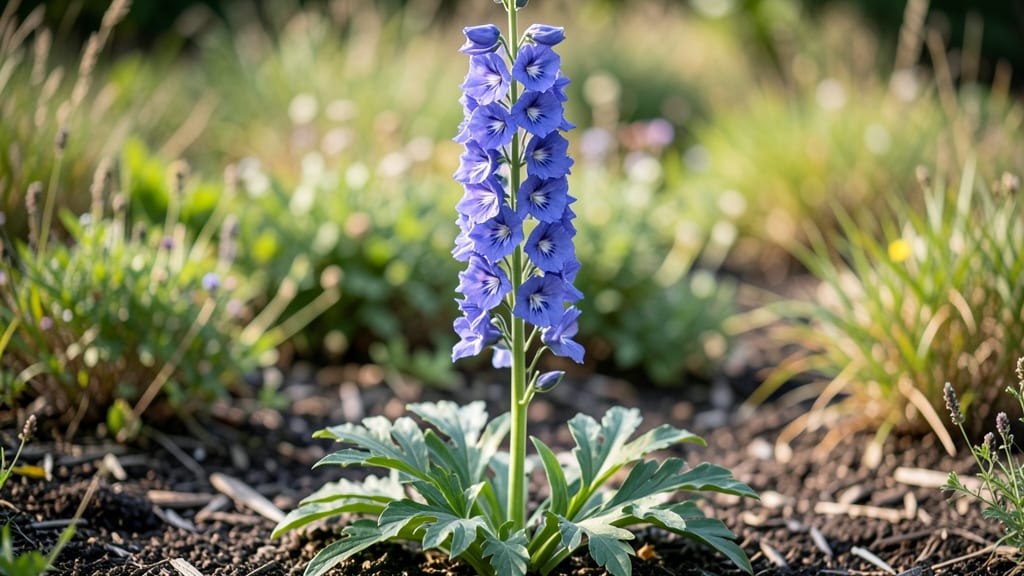
Tall garden plants can transform your compact space into a lush, private retreat without sacrificing style. ✨ I’ve used them to create vertical drama in my own backyard, turning a narrow strip between fence and sidewalk into a thriving green wall that blocks nosy neighbors and adds seasonal interest.
The key isn’t just picking tall varieties—it’s layering them with shorter plants so the whole garden feels balanced, not overwhelming.
Think of these plants as your garden’s backbone: sturdy enough to stand alone but flexible enough to play supporting roles. My go-to list includes arundinaria (bamboo) for year-round structure, holly shrubs for glossy foliage and berries, and sunflowers for summer height bursts.
Each brings something different—texture, color, or seasonal change—so you’re never stuck with a monotonous backdrop. For small spaces, focus on plants that stay narrow but reach high, like Russian olive or ornamental grasses that sway without sprawling.
What you’ll end up with is a garden that feels intentional, not cramped. Tall plants soften harsh lines, frame views, and create cozy nooks—perfect for seating areas or hidden corners.
They also work year-round: evergreens like boxwood or hemlock keep structure in winter, while deciduous trees like crabapple add spring blooms and autumn color. The best part? You can mix them with climbers like clematis or wisteria to add even more vertical interest without taking up extra ground space.
Regional tweaks matter here—cool climates favor spruce trees and rhododendrons, while hot zones thrive with palm trees or yucca. Always check sunlight needs: some tall plants (like sunflowers) demand full sun, while others (fatsia) tolerate shade.
Start with one or two standout plants, then build around them—your garden’s new vertical dimension will thank you.
📚 In This Guide
- What you need
- Instructions
- Tips and common mistakes
- Wrapping up and next steps
What you need
- ● Tall Garden Plants (3–6 per screen): 1–2 Bamboo (e.g., Phyllostachys spp.) – Fast-growing, sturdy, and drought-tolerant.
- ● 1 Holly (e.g., Ilex spp.) – Evergreen with glossy leaves and berries (great for year-round privacy).
- ● 1 Arborvitae (e.g., Thuja occidentalis) – Needle-like foliage, disease-resistant.
- ● 1 Privet (e.g., Ligustrum spp.) – Dense, hardy, and low-maintenance.
- ○ Optional: Purple Smoke Bush (Cotinus coggygria) for vibrant fall color.
- ● Soil & Amendments: 50 lbs Well-draining potting mix (for containers) or native soil amended with compost (for in-ground planting).
- ● 1 lb Slow-release fertilizer (10-10-10 or organic options like fish emulsion).
- ○ Optional: Mulch (2–3 inches) to retain moisture and suppress weeds.
- ● Containers (if not planting in-ground): 2–3 Large pots or planters (18–24 inches deep, with drainage holes).
- ○ Optional: Self-watering planters for low-maintenance care.
- ● Tools: 1 Garden trowel or shovel (for planting).
- ● 1 Pruning shears (for shaping and maintenance).
- ● 1 Measuring tape (to space plants 3–6 feet apart).
- ○ Optional: Garden gloves (to protect your hands).
- ● Sunlight: Check your space—most tall plants need full sun (6+ hours/day), but some (like Arborvitae) tolerate partial shade.
- ● Space: Plan for mature height and width (e.g., bamboo can reach 20+ feet!).
- ● Water Access: Ensure a hose or watering can is nearby for the first few weeks.
- ● Local Climate: Choose plants suited to your USDA hardiness zone (e.g., Holly thrives in zones 5–9).
- ● Container vs. In-Ground: Containers limit root growth—opt for larger pots if planting in pots.
Instructions for designing a vertical privacy screen with tall garden plants
Here's how to create a lush, space-saving privacy barrier that thrives in tight spots.
🌱 Step 1: Select Fast-Growing, Compact Tall Plants
Choose plants that grow vertically without sprawling—think tall ornamental grasses like Miscanthus or Pennisetum, bamboo varieties under 3 feet wide, or tree-like shrubs such as Arborvitae 'Green Giant' (when space allows). I always prioritize native species first—they adapt better and require less maintenance. For instant height, mix in evergreen shrubs like Holly or Boxwood that mature quickly.
Arrange plants in staggered heights: place taller specimens at the back (6-8 feet mature height) and medium-height fillers (4-6 feet) in front. This creates natural layers that block sightlines more effectively. Avoid plants that flop or need staking—they'll look unkempt within a season.
🪴 Step 2: Prepare the Planting Area for Optimal Growth
Mark your planting zone with stakes and string to visualize the screen's final shape. Dig holes twice as wide as each plant's root ball but only as deep as the container it came in. Amend the native soil with 2-3 inches of compost mixed into the bottom 6 inches of each hole—this jumpstarts root establishment. For clay-heavy soil, add 1 part perlite per 3 parts soil to improve drainage.
Place each plant at the same depth it grew in its container. Firm the soil gently around roots to eliminate air pockets, then water deeply until moisture reaches 12 inches down. Mulch with 2-3 inches of shredded bark to retain moisture and suppress weeds—just keep mulch 3 inches away from stems to prevent rot.
☀️ Step 3: Position for Sunlight and Wind Protection
Most tall privacy plants thrive in full sun (6+ hours daily), but check individual species—some like Arborvitae tolerate partial shade. Face the screen toward the direction you want to block, ensuring the tallest plants anchor the center. For windy areas, plant windbreaks like Russian olive or willow trees on the exposed side to shield your screen from damage.
Space plants 3-5 feet apart depending on mature width—closer spacing creates a denser screen faster but may require pruning later. Water newly planted screens 2-3 times weekly for the first month, checking that soil stays 2-3 inches moist at all times. Drip irrigation works best to avoid wetting foliage and inviting fungal diseases.
✂️ Step 4: Prune for Shape and Encourage Fullness
Give plants their first pruning in early spring before new growth starts. Trim back any dead or crossing branches with clean, sharp shears, cutting at a 45-degree angle just above a leaf node. For bamboo or grasses, remove old canes at the base to make room for new growth. This keeps the screen looking fresh and prevents overcrowding.
Shape the screen by pinching back leggy growth and encouraging bushier habits. You'll see new side shoots form within 4-6 weeks—that's your cue to stop heavy pruning until next year. For evergreens, a light trim in late summer promotes dense growth before winter dormancy. Always prune after flowering if your plants bloom, to avoid removing next year's buds.
⏰ Step 5: Maintain Through Seasons for Long-Term Privacy
Fertilize in early spring with a slow-release granular fertilizer (10-10-10 ratio) spread evenly over the root zone. Water deeply after application to activate the nutrients. In late summer, apply a balanced liquid fertilizer to support fall growth. Avoid fertilizing in late summer or fall—it encourages tender new growth that won't survive winter.
Monitor for pests like spider mites or aphids, which love tender new growth. Spray infested areas with neem oil or insecticidal soap at the first sign of webbing or sticky residue. Mulch annually in early spring to maintain moisture and suppress weeds. With consistent care, your screen will reach full privacy potential within 2-3 years.
Tips & tricks for perfect tall garden privacy screens
Creating a lush vertical privacy screen takes thoughtful planning—and these tricks will help you avoid common pitfalls while maximizing your space.
Layering is Key: The staggered height arrangement in Step 1 isn't just decorative—it's essential for complete privacy. Place your 6-8 foot specimens at the back to anchor the screen, then add 4-6 foot fillers in front. This creates a natural density that blocks sightlines more effectively than uniform heights. Think of it like a forest canopy: the taller trees provide structure while mid-level plants fill the gaps. For best results, avoid placing all tall plants together—they'll create awkward gaps as they grow.
Soil Prep Secrets: Don't skip the soil amendment in Step 2, especially if you have clay-heavy soil. The 2-3 inches of compost mixed into the bottom 6 inches of each hole is where roots will establish first. For clay soils, the 1 part perlite to 3 parts soil ratio prevents waterlogging that can suffocate roots. Pro tip: Test your soil's drainage by digging a hole, filling it with water, and timing how long it takes to drain. If it's still wet after 2 hours, you need more perlite or sand.
Watering Wisdom: Those first 2-3 times weekly waterings in Step 3 are critical for root establishment. Use drip irrigation to deliver water directly to the root zone without wetting foliage—this prevents fungal diseases that love damp leaves. A good rule of thumb: your soil should stay 2-3 inches moist at all times during the first month. To check, simply dig down 2 inches with your finger; if it feels dry, it's time to water. Overwatering is just as damaging as underwatering, so resist the urge to water daily.
Pruning Timeline: The 4-6 week window mentioned in Step 4 is your golden opportunity to shape your screen. When you see new side shoots forming, that's your cue to stop heavy pruning until next year. For evergreens, that late summer trim promotes dense growth before winter dormancy—don't skip it! And remember: always prune after flowering if your plants bloom. This ensures you don't accidentally remove next year's flower buds, which form during the current season's growth.
Pro Tips for Tall Garden Plants
- Creating a lush vertical privacy screen takes thoughtful planning—and these tricks will help you avoid common pitfalls while maximizing your space.
- Layering is Key: The staggered height arrangement in Step 1 isn't just decorative—it's essential for complete privacy.
- Soil Prep Secrets: Don't skip the soil amendment in Step 2, especially if you have clay-heavy soil.
Frequently asked questions
about tall garden plants can help you make the best choices for your privacy screen. Here are some common queries—and their answers—to guide you!What are the fastest-growing tall plants for quick privacy?
If you need a fast solution, opt for bamboo (some varieties grow 3+ feet per year), willow trees, or hybrid poplar. For a more permanent (but slower) option, consider evergreen trees like Leyland cypress or arborvitae, which take 5–10 years to reach full height but offer year-round coverage.
How long does it take for tall plants to provide full privacy?
Most tall plants take 2–5 years to reach full height, but some—like bamboo or hybrid willow—can offer partial privacy in as little as 1–2 years. Evergreens like arborvitae or holly trees may take longer (up to a decade) but provide dense, long-lasting screening.
Can tall garden plants work in small or narrow spaces?
Vertical gardening
is perfect for tight spaces. Choose columnar trees (like ‘Fastigiata’ hornbeam), slender shrubs (e.g., Itea virginica), or trellis-trained vines (e.g., clematis or climbing roses). Even bamboo in pots can work if you prune regularly to control spread.
Are there pest-resistant tall plants for privacy screens?
Yes! Avoid Leyland cypress (susceptible to canker disease) and opt for pest-resistant alternatives like arborvitae (Thuja occidentalis ‘Smaragd’), inkberry holly, or ‘Emerald Green’ arborvitae. Regular pruning and mulching also help deter pests like spider mites or aphids.
What’s the best way to maintain tall garden plants for longevity?
Start with well-draining soil and regular pruning (trim in late winter/early spring to encourage bushier growth). Mulch annually to retain moisture, and fertilize in early spring with slow-release granules. For climbing plants, install a sturdy trellis or fence early to support growth.
Do tall garden plants survive winter in cold climates?
Most evergreens (like arborvitae, pine, or spruce) thrive in cold zones (USDA 3–7), but some tropical varieties (e.g., bamboo) may need winter protection (mulch, burlap wraps). Deciduous options like ornamental grasses or sumac drop leaves but regrow yearly—great for low-maintenance cold-weather screens.
Wrapping up and next steps
Tall garden plants are your secret weapon for transforming compact spaces into lush, private retreats—without sacrificing style or space. Whether you’re drawn to towering bamboo, elegant grasses, or fragrant climbers, these sky-high beauties deliver serious privacy while adding texture and movement to your garden. 🌿✨
Ready to take the leap? Start small: pick one plant, sketch a spot, and watch your vision grow—literally! With the right care, your vertical garden will thrive, offering both beauty and serenity. Happy planting!