Landscaping
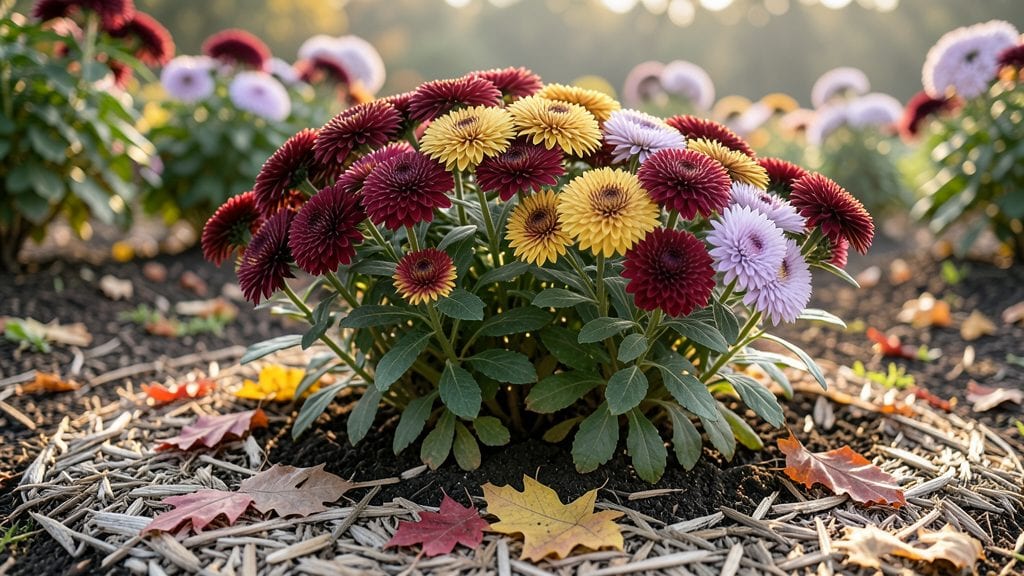
Fall landscaping plants transform your yard into a shockingly lush seasonal masterpiece without the summer upkeep. I learned this the hard way—after replacing my tired summer annuals with the wrong perennials, my front yard looked dull by October.
The right plants, though, keep color popping until frost, with grasses swaying in autumn breezes and shrubs holding deep berries like nature’s jewelry.
Think beyond mums—ornamental grasses like Little Bluestem turn copper and gold, while shrubs such as Oakleaf Hydrangea flaunt fiery foliage. These cold-hardy stars thrive in most zones, needing only occasional trimming to stay tidy.
Even busy gardeners can nail this: plant in clusters for drama, and mix textures to catch the light at every angle.
By late November, your neighbors will be staring in envy as your beds stay vibrant while theirs fade. The best part? These plants attract butterflies and birds, turning your yard into a wildlife haven. We’ll show you how to place them for maximum impact—no green thumb required.
Perfect for small spaces or large yards, these plants work in containers, borders, or as focal points. Whether you’re in the South or the Midwest, we’ve got cold-hardy options that won’t wilt when winter arrives. Let’s make your fall the most colorful yet.
📚 In This Guide
- What you need
- Instructions
- Tips and common mistakes
- Wrapping up and next steps
What you need
- ● Fall landscaping plants: Choose 3–5 varieties (e.g., Mums, Ornamental Grasses, Sedum, Asters, Smoke Bush). Plan for 1–3 plants per square foot of space.
- ● High-quality potting soil or garden soil: 1–2 bags (2–3 cubic feet each) for planting beds or containers.
- ● Organic mulch: 1–2 bags (shredded bark or pine straw) to retain moisture and suppress weeds.
- ● Slow-release fertilizer: 10–20 lb bag (10-10-10 or organic options like compost).
- ● Pruning shears or hedge clippers: For trimming plants to encourage bushier growth.
- ● Garden gloves: A pair to protect your hands from thorns or rough foliage.
- ● Watering can or hose with a spray nozzle: For gentle watering (especially for delicate perennials).
- ● Container garden pots: 5–10 gallon-sized pots if planting in containers (ensure drainage holes!).
- ● Soil tester kit: To check pH levels (ideal range: 6.0–7.0 for most fall plants).
- ● Epsom salt or iron supplement: For yellowing leaves (common in Mums or Grasses).
- ● Decorative stones or edging: To define plant beds and add a polished look.
- ● Lightweight row cover: For late-season frost protection (if planting early).
How to design a low-maintenance fall landscape
Here's how to create a vibrant autumn display that thrives with minimal daily effort.
Select Seasonal Plants for Color and Durability
Choose plants that maintain their color through fall and tolerate cooler temperatures. Mums, ornamental grasses, and sedum varieties provide bold foliage that lasts well into October. I always include evergreen shrubs like boxwood or holly for structure—they stay green while everything else changes color. For ground cover, consider ajuga or creeping thyme—both spread easily and require almost no maintenance once established.
Look for plants labeled drought-tolerant or low-maintenance on the tags. These varieties handle fall rains and temperature swings without wilting. Group plants with similar water needs together to simplify irrigation. For example, place succulents and sedum near each other—they both thrive with infrequent watering.
Plan for Layered Visual Interest
Create depth by layering plants in three height tiers: tall (6+ feet), mid-height (2-4 feet), and low (under 2 feet). Use ornamental grasses like fountain grass or maiden grass for the tallest layer—they sway dramatically in autumn breezes. Mid-height plants like mums or heuchera add color, while low-growing ajuga or creeping thyme fill gaps at the base.
Arrange plants so the largest ones face the house or focal point, with smaller varieties trailing toward the edges. This creates a natural, balanced look that feels intentional. I always sketch a rough layout first—it saves time rearranging later. Space plants 12-18 inches apart to allow airflow and prevent disease.
Prepare the Soil and Plant Correctly
Before planting, loosen the soil to a depth of 12 inches with a garden fork. This improves drainage and root establishment. Amend the soil with 2-3 inches of compost mixed into the top layer—it provides nutrients without overwhelming tender roots. For containers, use a well-draining potting mix to prevent soggy soil, which can rot roots in cooler weather.
Dig holes twice as wide as the root ball but only as deep as the container. Place the plant in the hole, ensuring the top of the root ball sits level with the surrounding soil. Fill the hole with soil, pressing gently to remove air pockets. Water deeply right after planting to settle the soil and eliminate gaps. Mulch with 2-3 inches of shredded bark to retain moisture and regulate temperature.
Water and Maintain for Season-Long Beauty
Water newly planted fall landscapes deeply once a week unless rain provides 1 inch of moisture. Check soil moisture by sticking your finger 2 inches deep—if it feels dry, water thoroughly. Avoid overhead watering in the evening, as damp foliage invites fungal diseases. Instead, water at the base early in the day so leaves dry quickly.
Remove spent blooms from perennials like mums to encourage new growth, but leave seed heads on ornamental grasses for winter interest. Prune back any leggy or damaged growth, but avoid heavy pruning until spring. Fertilize lightly with a balanced, slow-release fertilizer in early fall to support root development without promoting tender new growth.
Protect Plants from Late-Season Challenges
Watch for early frosts and cover tender plants like mums with frost cloth if temperatures drop below 32°F. Most fall plants handle light frosts, but a hard freeze can damage foliage. I always keep a few extra blankets on hand—drape them loosely over plants rather than pressing them against stems to avoid moisture buildup.
Keep an eye out for pests like aphids or spider mites, which thrive in dry conditions. Spray plants with a hose or water spray to dislodge pests, or use an insecticidal soap if infestations persist. Mulch helps suppress weeds and retain moisture, reducing the need for frequent watering as temperatures drop.
Tips & tricks for perfect fall landscaping
A few simple strategies will help you create a show-stopping autumn garden that stays vibrant with almost no daily effort.
Seasonal Plant Selection: When choosing mums and ornamental grasses, look for varieties labeled "fall-blooming" or "autumn color-hold." These plants are bred to maintain their vibrant hues longer than standard types. I've found that container-grown plants often establish faster than nursery pots, so opt for those if you're planting in late fall. For evergreen shrubs like boxwood, select dwarf varieties—they require less pruning and fit well in smaller spaces.
Layering Layout Tip: In Step 2, when arranging your three height tiers, place taller plants like fountain grass toward the back of your design. This creates natural depth and prevents smaller plants from getting lost. I like to use a simple grid system when sketching layouts—draw lines at 12-inch intervals to ensure even spacing. This visual guide makes it easier to maintain consistent plant placement and airflow.
Soil Preparation: The 12-inch soil loosening in Step 3 is crucial, but don't skip amending with compost. I recommend mixing in an additional 1-2 inches of compost if your soil is particularly heavy clay. For container plantings, consider adding perlite to your well-draining potting mix—it helps prevent compaction and improves aeration. Remember that containers dry out faster than in-ground plantings, so they may need more frequent watering.
Frost Protection: When temperatures approach 32°F, I've learned to cover tender plants like mums with frost cloth at dusk rather than waiting until morning. The cloth traps heat radiating from the soil, giving plants a better chance of surviving overnight. Always secure the edges with rocks or stakes to prevent wind damage. For extra insurance, I place a thin layer of straw mulch over the frost cloth—it adds another insulating barrier.
Pro Tips for Fall Landscaping Plants
- A few simple strategies will help you create a show-stopping autumn garden that stays vibrant with almost no daily effort.
- Seasonal Plant Selection: When choosing mums and ornamental grasses, look for varieties labeled "fall-blooming" or "autumn color-hold."
- Layering Layout Tip: In Step 2, when arranging your three height tiers, place taller plants like fountain grass toward the back of your design.
Frequently asked questions
Got questions about fall landscaping plants?
You’re not alone! Here are answers to the most common queries to help you create a stunning, low-maintenance fall garden.
What are the easiest fall plants for beginners?
Start with mums (chrysanthemums), sedum, or ornamental grasses—they’re hardy, drought-tolerant, and thrive with minimal fuss. Pansies and kale also add color while resisting pests. These plants handle cooler temps and brighten up any space without demanding expert care!
When is the best time to plant fall landscaping?
For most regions, aim for late summer to early fall (August–October). This gives roots time to establish before winter. Bulbs like tulips should go in the ground by mid-October, while perennials and shrubs can wait until October–November in cooler climates.
Are there affordable alternatives to pricier fall plants?
Swap expensive annuals for native wildflowers (like black-eyed Susans) or evergreens (e.g., boxwood or holly). Check local plant sales, nursery clearance sections, or even divide overgrown perennials to propagate new plants. Pro tip: Mulch heavily to reduce watering costs!
How do I keep pests away from my fall plants?
Prevent issues with neem oil sprays or row covers for delicate blooms. Slugs and snails love mums—set out beer traps or crushed eggshells. Deer? Opt for fragrant herbs (like lavender) or plant thorny shrubs (e.g., barberry) as barriers. Inspect plants weekly for early signs of trouble!
Can I still plant fall flowers if I missed the ideal window?
Don’t worry! Cool-season crops (like cabbage or lettuce) and hardy perennials can still go in until early November in many areas. For late additions, choose fast-growing annuals (e.g., stock or snapdragons) or winter pansies—they’ll add color until frost!
How do I transition my summer garden to fall plants?
Start by removing spent summer annuals (like petunias) and weeding thoroughly. Amend soil with compost, then plant fall favorites in the same spots. Mulch 2–3 inches deep to protect roots and retain moisture. Bonus: Save seeds from healthy plants for next year!
Wrapping up and next steps
Transforming your outdoor space into a vibrant fall haven doesn’t have to be complicated—just intentional! With the right low-maintenance plants, you can enjoy rich colors, textures, and seasonal charm while keeping upkeep simple.
Whether you’re drawn to fiery mums, elegant ornamental grasses, or fragrant shrubs, these picks ensure your landscape stays stunning with minimal effort.
Ready to elevate your fall scenery? Start by sketching a simple plan—pick 2-3 star plants, note their sunlight needs, and visit your local nursery for expert tips. Then, grab your gloves and get planting! Your future self (and your neighbors) will thank you. 🌿✨