
Companion Plants
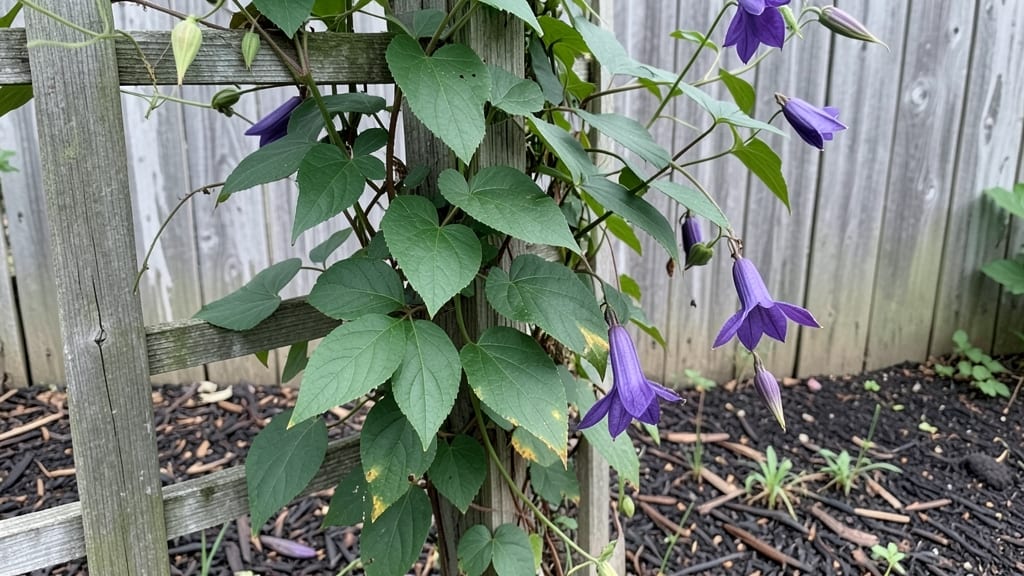
Those flowery vine plants like my first clematis burst into purple blooms last summer, and I knew I’d never go back to boring old shrubs again. 🌸 These pollinator-powered climbers transform any space—fences, trellises, even old wooden arbors—into a vertical explosion of color that keeps giving from spring through fall (and sometimes winter too).
The secret to their success isn’t complicated: most need full sun to partial shade, well-draining soil that’s rich but not soggy, and a sturdy support structure they can cling to. Morning glories are the easiest to grow—just toss seeds near a fence and watch them race upward in weeks.
Wisteria, though, takes patience: it’s a long-term investment that rewards you with fragrant cascades after years of careful training.
You’ll end up with a garden that hums with bees, butterflies, and hummingbirds—all while adding architectural drama without taking up precious ground space. The best part? Many vines, like jasmine, even perfume the air as they bloom.
Once established, they’re nearly maintenance-free, just requiring an annual prune to keep them tidy and encourage more flowers.
Mix them with roses for a romantic trellis, or let them spill over a balcony for instant curb appeal. The possibilities are endless, and your garden will never look the same again.
📚 In This Guide
- What you need
- Instructions
- Tips and common mistakes
- Wrapping up and next steps
What you need
- ● Flowery vine plants: Choose from Clematis, Honeysuckle, Jasmine, or Morning Glory (1-3 plants per trellis or container, depending on space).
- ● Well-draining potting mix: 5-10 gallons (or enough to fill your chosen container). Opt for a blend with perlite or compost for aeration.
- ● Trellis or support structure: Wooden arbors (4-6 ft tall for climbing vines).
- ● Metal cages (for compact varieties like Sweet Pea).
- ● String/rope (for DIY trellises, ¼-inch diameter, 10-15 ft long).
- ● Organic fertilizer: Balanced 10-10-10 or slow-release granules (1 cup per plant at planting).
- ● Mulch: 2-3 inches of wood chips or straw to retain moisture.
- ● Garden trowel (for transplanting).
- ● Pruning shears (sharp, bypass-style for clean cuts).
- ● Watering can or hose with nozzle (gentle spray setting for young plants).
- ● Gloves (gardening gloves to protect your hands).
- ○ pH testing kit (optional)—aim for 6.0-7.0 for most vines.
- ● Sunlight: 6+ hours of direct sun (adjust for shade-tolerant varieties like Clematis).
- ● Water source: Consistent moisture (1-2 inches per week; more in heatwaves).
- ● Space: Vertical or horizontal clearance (check mature vine spread—some reach 10+ ft!).
- ● Patience: Most vines take 1-2 seasons to fully bloom and establish.
Step-by-Step guide to planting and maintaining flowery vine climbers
These pollinator magnets thrive with the right support and care—let’s get them growing strong.
🌱 Step 1: Choose the Right Support Structure
Vines need sturdy support to climb and display their blooms properly. I recommend trellises, arbors, or obelisks for most varieties—these provide 3-5 feet of vertical space depending on the plant’s mature height. For heavy vines like clematis, opt for metal or wooden frames that can handle weight without bending. Install your support before planting so roots don’t disturb it later.
If you’re working with a small balcony or container, use cage-like trellises or wall-mounted brackets to save space. The key is ensuring the structure is secured tightly—nothing worse than watching your vines collapse mid-season. For fast-growing varieties like morning glories, add a second support tier as they grow to prevent tangling.
🪴 Step 2: Plant in Well-Draining Soil with Proper Spacing
Dig a hole twice as wide as the root ball but only as deep as the container it came in. Amend the soil with 1-2 inches of compost mixed into the bottom of the hole—this ensures roots have nutrients right where they’ll spread. Most flowery vines prefer slightly acidic to neutral soil (pH 6.0-7.0), so test your soil if possible.
Space plants 12-24 inches apart, depending on the variety. Clematis needs the most room (2-3 feet), while morning glories can thrive 12 inches apart in containers. If planting near a fence or wall, leave 6-12 inches of clearance so stems can wrap around support without crowding. Water deeply after planting to settle the soil and remove air pockets.
☀️ Step 3: Provide the Right Light and Watering Routine
Most flowery vines crave full sun (6-8 hours daily), but a few like morning glories tolerate partial shade. Place your support structure where vines will get bright, indirect light in the afternoon if your climate is hot—this prevents leaf scorch. If growing in containers, move them to a shadier spot midday during peak summer heat.
Water deeply 2-3 times per week until the top 2 inches of soil feel moist. Once established, most vines are drought-tolerant, but new growth needs consistent moisture. Mulch with 2-3 inches of organic mulch (like shredded bark) to retain moisture and suppress weeds. Avoid wetting the leaves when watering—this reduces fungal risks like powdery mildew.
✂️ Step 4: Prune and Train for Maximum Blooms
Pruning depends on the vine type, but spring is the best time to shape most climbers. For clematis, cut back last year’s growth by 1/3 to encourage new, flower-heavy stems. Morning glories and sweet peas don’t need heavy pruning—just pinch back leggy stems to promote bushier growth. Always use clean, sharp pruners to avoid damaging stems.
Train vines by tying stems to the support with soft plant ties or twine every 6-8 inches as they grow. This prevents tangling and ensures even blooms. For woody vines like jasmine, prune in late winter to shape the structure and remove dead wood. Deadhead spent blooms regularly to encourage continuous flowering—this is especially important for annuals like nasturtiums.
💧 Step 5: Fertilize and Protect for Long-Term Growth
Feed vines every 4-6 weeks during the growing season with a balanced, water-soluble fertilizer (10-10-10 ratio). For heavy bloomers like roses or clematis, switch to a phosphorus-rich formula (5-10-5) in early summer to boost flower production. Always water before fertilizing to prevent root burn.
Watch for pests like aphids or spider mites, which love tender new growth. Spray affected areas with neem oil or insecticidal soap at the first sign of trouble. For container-grown vines, check the bottom of leaves weekly—pests often hide there. If your vines struggle in winter, mulch heavily and consider wrapping tender varieties in burlap for extra protection.
Tips & tricks for perfect flowery vine climbers
Here's what I've learned after years of growing these stunning pollinator magnets—these little details make all the difference.
Support Structure: When installing your trellis or arbor in Step 1, bury the posts at least 12 inches deep for stability, especially in windy areas. I've seen too many vines topple because the support wasn't anchored properly. For heavy varieties like clematis, add stakes at 45-degree angles from the main structure to distribute weight evenly. This prevents bending and creates a more stable climbing surface for those lush blooms.
Soil Preparation: In Step 2, don't skip the soil test if possible—most garden centers offer them for under $10. I've found that adjusting pH with lime (to raise pH) or sulfur (to lower pH) can make a huge difference in flower production. For containers, use a mix that's 60% potting soil, 30% compost, and 10% perlite to ensure proper drainage while retaining moisture.
Watering Wisdom: The 2-3 times per week guideline in Step 3 works for most climates, but adjust based on your local conditions. I check soil moisture by sticking my finger 2 inches deep—if it feels dry, that's your watering cue. For container plants, watering every other day during hot spells prevents root stress. And remember, morning watering is always better than evening to reduce fungal risks.
Pruning Pro Tips: When pruning clematis in Step 4, look for the largest buds at the base of stems—they'll produce the most flowers. For morning glories, pinch back the top set of leaves when stems reach 12 inches to encourage bushier growth. I keep a small notebook to track pruning dates—this helps me remember when to fertilize and when to expect new blooms.
Pro Tips for Flowery Vine Plants
- Here's what I've learned after years of growing these stunning pollinator magnets—these little details make all the difference.
- Support Structure: When installing your trellis or arbor in Step 1, bury the posts at least 12 inches deep for stability, especially in windy areas.
- Soil Preparation: In Step 2, don't skip the soil test if possible—most garden centers offer them for under $10.
Frequently asked questions
Got questions about growing flowery vine plants? You’re not alone! Here are some of the most common queries—plus quick answers to help you cultivate a thriving, pollinator-friendly garden.
What’s the best way to train a flowery vine plant to climb?
Use a sturdy trellis, fence, or obelisk to guide growth. For lightweight vines (like clematis or morning glories), twine or soft ties work well. For heavy vines (e.g., wisteria), opt for a metal or wooden lattice to prevent sagging. Pro tip: Gently weave stems through the structure as they grow—no need to force them!
How long does it take for flowery vines to bloom?
Blooming time varies! Fast growers like honeysuckle or jasmine may flower in their first year, while slower climbers (e.g., campsis) take 2–3 years. Patience pays off—healthy vines reward you with season-long color once established.
Are all flowery vines good for pollinators?
Most are! Native vines like passionflower or virgin’s bower are pollinator magnets, but some exotics (e.g., bougainvillea) offer less nectar. Stick to bee- and butterfly-friendly varieties for maximum impact. Bonus: Avoid pesticides—let the bugs do their job!
What if my vine isn’t flowering? How can I fix it?
Check these fixes:
- Light: Ensure 6+ hours of sun (most vines need full sun).
- Pruning: Trim back leggy growth in early spring to encourage bushiness.
- Fertilizer: Use a balanced, low-nitrogen feed (like 10-10-10) to boost blooms.
- Age: Young vines may need a year to mature.
Can I grow flowery vines in containers?
Compact vines like thunbergia (black-eyed Susan vine) or ipomoea thrive in large pots with trellises. Use well-draining soil and fertile potting mix. Just remember: Container vines need regular watering and may need winter protection in cold climates.
Wrapping up and next steps
Flowery vine plants are a game-changer for adding color, life, and pollinator support to your garden—no matter the season! 🌸 From fragrant clematis to hardy wisteria, these climbers bring beauty and purpose, transforming any space into a thriving ecosystem.
Whether you’re a seasoned gardener or just starting, these pollinator-powered plants are easy to love and even easier to grow.
Ready to unleash your green thumb? Start small—pick one vine, prep your trellis, and watch your garden bloom with effortless charm. Which flowery vine will you bring home first? 🌿