Picking
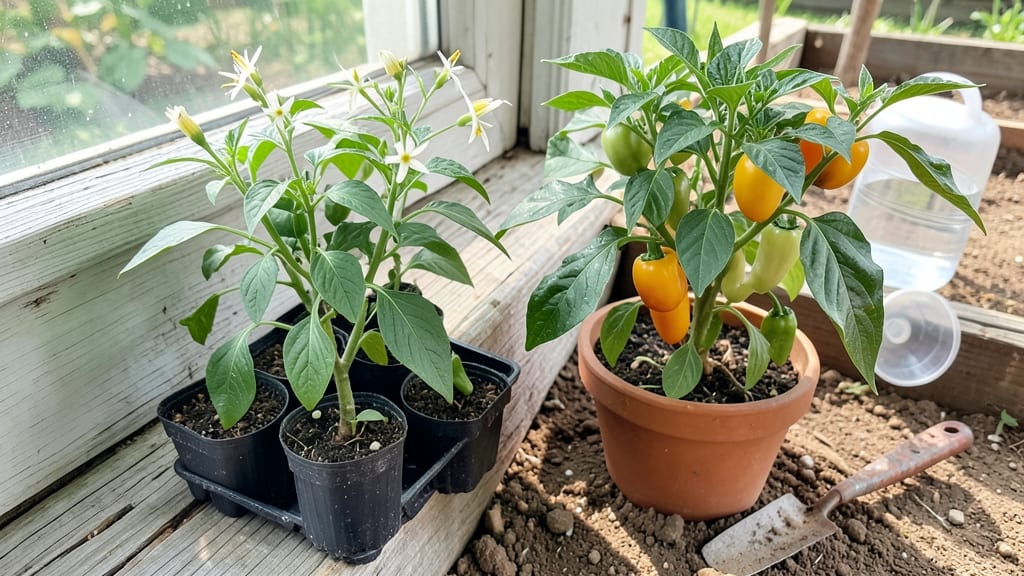
Planting habanero peppers starts with soil so warm it could fry an egg—these tropical firecrackers refuse to germinate in anything cooler than 75°F. 🌱 I learned that the hard way after watching seeds rot in damp, chilly soil last spring.
The secret isn't just heat—it's a balance of sunlight, spacing, and patience that turns a single plant into a spice factory.
You'll need well-draining soil mixed with compost, containers at least 12 inches deep if growing in pots, and a spot that gets full sun for 8+ hours daily.
Direct-sowing works in zones 9-11, but most gardeners start seeds indoors 8-10 weeks before last frost, then transplant when night temps stay above 60°F. The first few weeks are critical—keep soil moist but never soggy, or you'll invite fungal problems.
By midsummer, you'll be harvesting peppers that pack 100,000-350,000 Scoville heat units, their bright orange fruits dangling like tiny lanterns. The plants grow compact (18-36 inches tall) but produce prolifically if you prune suckers and fertilize lightly every 3-4 weeks.
Even in containers, one plant can yield 20-30 peppers if given proper care.
Here's where it gets interesting—habaneros thrive in small spaces and even balconies if you use self-watering pots and reflective mulch to boost heat. The biggest mistake? Overwatering or crowding plants.
Give them room to breathe, and they'll reward you with a harvest that lasts from late summer through frost. Ready to grow your own fire?
📚 In This Guide
- What you need
- Instructions
- Tips and common mistakes
- Wrapping up and next steps
What you need
- ● Habanero pepper seeds: 5–10 seeds (or 1–2 starter plants from a nursery). Choose a variety like 'Carolina Reaper' for extra heat or 'Orange Habanero' for sweetness.
- ● Seed-starting mix: 1–2 gallons of sterile, well-draining potting soil (look for a blend labeled for seedlings).
- ● Containers: 3–4 small pots (4–6 inches deep) with drainage holes for seedlings, or a seed tray with individual cells.
- ● Grow lights or sunny windowsill: A 12–16 hour daily light source (grow lights are ideal for indoor starts).
- ● Fertilizer: Balanced liquid fertilizer (10-10-10 or 5-5-5) for seedlings, and a low-nitrogen, high-phosphorus fertilizer (like 5-10-10) once transplanted.
- ● Watering can or spray bottle: With a fine rose attachment to avoid disturbing seedlings.
- ● Transplant containers or garden bed: Habaneros thrive in full sun (6+ hours/day). Use 12–18 inch pots or a well-prepared garden bed with 6–8 hours of sunlight.
- ● Mulch: Organic mulch (straw or shredded leaves) to retain moisture and regulate soil temperature.
- ● Pruning shears: For trimming leggy seedlings or shaping mature plants.
- ● pH test kit: To monitor soil pH (ideal range: 6.0–7.0).
- ● Cage or stakes: For support as plants grow (habaneros can reach 3–4 feet tall).
- ○ Heat mat: Optional for indoor seedlings to keep soil warm (75–85°F).
- ● Glove: Heat-resistant gloves for handling mature peppers (they pack a punch!).
- ● Warm weather: Habaneros hate cold! Wait until after the last frost (soil temp should be 70°F+) or start indoors 8–10 weeks before transplanting.
- ● Well-draining soil: Amend heavy clay soil with compost or perlite to prevent root rot.
- ● Patience: Habaneros take 90–120 days to mature—plan ahead for a fiery summer harvest!
Step-by-Step instructions for planting habanero peppers
Here's how to grow fiery, productive habanero plants that reward you with bold flavors.
🪴 Step 1: Choose the Right Location and Prepare the Soil
Habaneros crave warmth and thrive in full sun—at least 6-8 hours daily. Pick a spot that gets afternoon sun, as the heat helps develop their signature heat. Amend the soil with 3-4 inches of compost mixed into the top 12 inches to create loose, fertile ground. Habaneros hate soggy roots, so if your soil drains poorly, add 1-2 inches of coarse sand or perlite to improve airflow.
Test your soil's pH—habaneros prefer slightly acidic conditions around 6.0-6.5. If yours runs alkaline, work in sulfur or peat moss to lower the pH gradually. I like to spread a thin layer of aged manure (like cow or chicken) over the area a week before planting to boost nutrients without burning tender roots.
🌱 Step 2: Plant Transplants at the Right Time and Depth
Wait until after the last frost when soil temperatures hit 75°F or warmer—habaneros refuse to grow in cool ground. Plant your 4 seedlings about 18-24 inches apart in rows 2 feet apart to give them room to sprawl. Dig a hole twice as wide as the root ball but only as deep as the container—burying the stem too deep invites rot.
Gently tease the roots apart if they're circling the container, then place the seedling in the hole. Fill around it with soil, pressing lightly to remove air pockets. Water deeply right after planting to settle the soil and encourage root contact. Mulch with 2-3 inches of straw or wood chips to retain moisture and keep roots cool during hot afternoons.
☀️ Step 3: Water Consistently and Fertilize for Heat
Habaneros need 1-1.5 inches of water weekly, but avoid wetting the leaves to prevent fungal diseases. Water at the base in the morning so foliage dries quickly. You'll know they're thirsty when the top 1-2 inches of soil feel dry—don't wait until the plants wilt.
Feed every 3-4 weeks with a balanced fertilizer (10-10-10) or a low-nitrogen, high-phosphorus blend (5-10-10) to boost fruiting. Stop fertilizing once flowers appear to avoid leafy growth at the expense of peppers. I also sprinkle Epsom salt (1 tablespoon per plant) every 4 weeks to prevent blossom-end rot—a common issue with spicy peppers.
✂️ Step 4: Prune and Support for Maximum Yield
Pinch off the first few flowers that appear to encourage stronger stems. Once the plant reaches 12-18 inches tall, prune suckers (the small shoots that form in the leaf axils) to redirect energy to fruit production. Leave 3-4 main stems and trim any yellow or diseased leaves immediately to improve airflow.
Stake each plant with a 5-foot bamboo stake or install a cage early—habaneros get top-heavy with fruit. Tie the main stems loosely to the support as they grow. You'll see more peppers when the plant focuses its energy on fruiting instead of flopping over. Harvest peppers when they turn bright orange or red—the riper they get, the hotter they become.
Tips & tricks for perfect habanero pepper planting
Here's what I've learned from years of growing fiery habaneros that actually produce—no half-hearted plants here.
The Heat Factor: Those 6-8 hours of full sun are non-negotiable, especially in Step 1. I've seen habaneros wilt when they don't get afternoon sun—they need that heat to develop their signature kick. If you're in a cooler climate, consider growing them in containers you can move to sunnier spots during the day.
Soil Preparation Secret: In Step 1, when mixing 3-4 inches of compost into the top 12 inches, don't just dump it in—work it thoroughly. Habaneros hate soggy roots, so if your soil drains poorly, add that 1-2 inches of coarse sand or perlite and mix it well. I like to use a garden fork to loosen the soil first—it makes all the difference for root health.
Timing Tip: Waiting for soil temperatures to hit 75°F in Step 2 is crucial. I test mine with a soil thermometer—anything below that and your plants will just sit there looking sad. If you're in doubt, plant a little later rather than rushing it. The first few weeks are make-or-break for habanero success.
Watering Wisdom: The 1-1.5 inches of water weekly in Step 3 is a guideline, not a rule. Check the top 1-2 inches of soil—if it's dry, water deeply at the base in the morning. I've ruined plants by watering at night (fungus risk) or waiting until they wilt (too late). Consistency is key—habaneros hate moisture stress.
Pro Tips for Habanero Pepper Planting
- Here's what I've learned from years of growing fiery habaneros that actually produce—no half-hearted plants here.
- The Heat Factor: Those 6-8 hours of full sun are non-negotiable, especially in Step 1. I've seen habaneros wilt when ...
- Soil Preparation Secret: In Step 1, when mixing 3-4 inches of compost into the top 12 inches, don't just dump it in—w...
Frequently asked questions
Got questions about growing your own fiery habanero peppers?
You’re not alone! Here are answers to the most common queries from fellow spice enthusiasts—so you can plant with confidence and harvest like a pro.
When is the best time to plant habanero peppers?
Habaneros thrive in warm soil (at least 70°F/21°C) and need 80–90 frost-free days to mature. Start seeds indoors 8–10 weeks before your last frost date, then transplant seedlings after all danger of frost has passed. In warmer climates (Zones 9–11), direct-sow seeds in early spring.
How do I protect my habanero plants from heat or cold?
Habaneros hate cold snaps (<32°F/0°C) but can overheat in extreme summer temps (above 95°F/35°C). Use shade cloth (30–50%) during peak heat, and mulch heavily to retain moisture. If frost threatens, cover plants with frost blankets or move pots indoors temporarily. Consistent watering (1–1.5 inches/week) also helps regulate temperature stress.
Why are my habanero leaves turning yellow or spotted?
Yellowing leaves often signal overwatering (habaneros prefer well-draining soil) or nutrient deficiencies (like nitrogen or magnesium). Spotted leaves? Check for pests (aphids, spider mites) or fungal diseases (like powdery mildew). Prune affected leaves, improve airflow, and treat with neem oil or insecticidal soap. Adjust watering to let soil dry slightly between waterings.
Can I grow habaneros in containers? What’s the best pot size?
Habaneros love containers—just use pots at least 12–18 inches deep with drainage holes. A 5-gallon bucket works for 1–2 plants. Choose a lightweight, breathable pot (fabric or plastic) and fill with well-draining potting mix. Place pots in full sun (6+ hours/day) and fertilize every 2–3 weeks with a balanced, organic fertilizer.
How do I know when habanero peppers are ripe for picking?
Habaneros ripen in 70–90 days and change color from green → yellow/orange/red (depending on variety). For maximum heat, let them fully ripen on the plant. Pick when firm and vibrant—gently twist or snip with scissors to avoid damaging stems. Pro tip: Wear gloves! Even unripe peppers can sting.
Wrapping up and next steps
Growing your own habanero peppers is a rewarding journey that blends patience, passion, and a little spice! 🌶️ With the right soil, sunlight, and care, you’ll soon be harvesting fiery fruits to elevate your dishes or share with fellow heat lovers. Now’s the perfect time to roll up your sleeves—start seeds indoors or plant directly in warm soil, and let your green thumb guide you to a bold harvest!
Ready to dive deeper? Check out our guide on habanero pepper care for tips on pruning, pest control, and maximizing yield!