
Planting
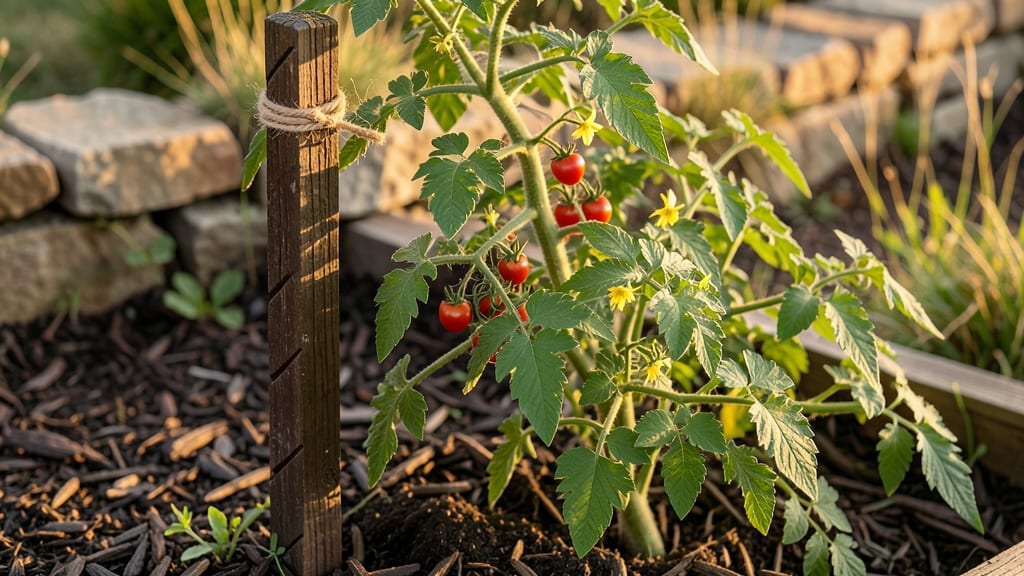
Growing a Heartbreaker tomato plant means tasting tomatoes so rich and sweet they’ll make heirloom lovers take notice. I fell for this variety after one bite—its bold red fruit has a smoky depth that holds up in salads, sauces, or eaten straight off the vine.
The name’s a joke, but the flavor isn’t.
This tomato thrives in warm climates but handles heat better than most slicers, producing 2-3 pound fruits even when temps climb. Start seeds indoors 6-8 weeks before last frost, or buy sturdy transplants.
The key is well-draining soil with plenty of compost—these plants drink up nutrients like there’s no tomorrow. A 5-6 foot trellis keeps vines off the ground and makes harvesting easier.
You’ll know you’ve nailed the care when vines burst with dark green leaves and salmon-colored flowers appear in early summer. Prune suckers regularly to focus energy on fruit, and watch for hornworms—they adore Heartbreakers. With proper support, one plant can feed a family for weeks, and the flavor? Unforgettable.
Perfect for gardeners who want heirloom taste without the fuss of indeterminate varieties. Let’s get those seeds started—or grab a transplant and watch it transform your summer meals.
📚 In This Guide
- What you need
- Instructions
- Tips and common mistakes
- Wrapping up and next steps
What you need
- ● Heartbreaker tomato seeds or seedlings: 2–4 plants (check seed packets for spacing requirements—these beauties need room to sprawl!).
- ● Well-draining potting mix: 5–10 gallons (look for a blend labeled for vegetables or tomatoes, with added compost or worm castings for extra nutrients).
- ● Containers or garden bed: Containers: 5-gallon pots or larger (with drainage holes!) for each plant.
- ● Garden bed: Full sun (6+ hours daily) and fertile soil with a pH of 6.0–6.8.
- ● Balanced fertilizer: 10–10–10 or organic options like fish emulsion or compost tea (follow package instructions).
- ● Tomato cages or stakes: 5–6 ft tall (these vines get heavy with fruit!).
- ● Mulch: Straw or shredded leaves (2–3 inches) to retain moisture and suppress weeds.
- ● Gloves: A pair to protect your hands from thorns (yes, they’ve got ‘em!).
- ● Pruning shears: Sharp and clean for trimming suckers and dead leaves.
- ● Watering can or hose: With a gentle spray nozzle to avoid damaging the plants.
- ○ pH test kit: Optional but helpful to monitor soil acidity.
- ○ Row cover or shade cloth: Optional for early planting to protect from frost or pests.
Step-by-step instructions for cultivating the Heartbreaker tomato plant
Here's how to grow this stunning heirloom variety with its dramatic red fruits and disease resistance.
Select and Prepare Your Planting Site
The Heartbreaker tomato thrives in well-drained soil with a pH between 6.0 and 6.8. Choose a location that receives full sun—at least 8 hours of direct sunlight daily. If you're growing in containers, ensure each pot has a minimum 18-inch diameter to accommodate the plant's sprawling habit.
Before planting, enrich the soil with 2-3 inches of compost mixed into the top 6 inches of soil. This variety responds well to organic matter, which improves both drainage and nutrient availability. Avoid fresh manure, as it can burn tender roots and introduce pathogens. If your soil is heavy clay, amending with sand or perlite will prevent waterlogging, which Heartbreakers particularly dislike.
Plant Transplants at the Right Time and Depth
Wait until after the last frost date in your area and soil temperatures reach at least 60°F before transplanting. Heartbreaker tomatoes are sensitive to cold, and early planting can stunt growth or invite fungal diseases. Harden off seedlings for 7-10 days before transplanting by gradually exposing them to outdoor conditions.
Dig a hole twice as wide as the root ball but no deeper. Gently remove the plant from its container and loosen any circling roots with your fingers. Place the tomato in the hole so the top of the root ball sits level with the soil surface—burying the stem too deeply can cause rot. Firm the soil around the roots and water deeply to eliminate air pockets.
Provide Support and Prune for Optimal Growth
Heartbreaker tomatoes grow indeterminately, meaning they produce fruit continuously until frost. Install a sturdy cage or trellis at planting time to support the plant's 4-6 foot height and 3-4 foot spread. A 6-foot-tall tomato cage or stakes spaced 18 inches apart work well. Secure the plant to the support as it grows to prevent wind damage.
Prune suckers—those small shoots that form in the leaf axils—weekly to direct energy toward fruit production. Remove suckers when they're 1-2 inches long, pinching them off with your thumb and forefinger. Avoid heavy pruning later in the season, as Heartbreakers benefit from some foliage to protect developing fruit from sun scald.
Water and Fertilize for Maximum Yield
Water deeply 1-2 times per week, ensuring the top 2 inches of soil remain dry between waterings. Heartbreaker tomatoes are drought-sensitive, and inconsistent moisture leads to blossom-end rot or cracked fruit. Use drip irrigation or soaker hoses to deliver water at the base of the plant, avoiding wet foliage, which encourages disease.
Feed plants with a balanced fertilizer (10-10-10) every 4-6 weeks starting when flowers appear. Switch to a low-nitrogen, high-phosphorus formula (5-10-10) once fruit sets to encourage ripening. Avoid high-nitrogen fertilizers late in the season, as they promote leafy growth at the expense of fruit production. Mulch around the base with 2-3 inches of straw to retain moisture and suppress weeds.
Harvest and Extend the Season
Heartbreaker tomatoes ripen 70-80 days after transplanting, with fruit reaching 3-5 inches in diameter. Harvest when the skin turns a deep, glossy red and yields slightly to gentle pressure. Use pruning shears or a sharp knife to avoid damaging the plant. The more you pick, the more the plant produces—don’t let fruit overripe on the vine.
To extend the season, cover plants with frost cloth when nighttime temperatures drop below 50°F. Remove the cover during the day to allow sunlight. Heartbreaker tomatoes are sensitive to cold, so protect them from early frosts. Store harvested fruit at room temperature until fully ripe, then refrigerate to slow further ripening. These tomatoes keep well for 1-2 weeks in the fridge, making them ideal for late-season harvests.
Tips & tricks for perfect Heartbreaker tomato cultivation
Growing Heartbreaker tomatoes to their full potential requires attention to detail—here's how to avoid common pitfalls and maximize your harvest.
Soil Preparation Insight: The Heartbreaker's preference for well-drained soil with a pH between 6.0 and 6.8 is non-negotiable for optimal growth. I recommend testing your soil's pH before planting and adjusting with lime (to raise pH) or sulfur (to lower it) if needed. For container growing, mix in perlite or vermiculite to prevent compaction, which these sprawling plants particularly dislike. The 2-3 inches of compost specified should be well-aged—fresh compost can introduce harmful pathogens to tender seedlings.
Timing is Everything: Waiting for soil temperatures to reach at least 60°F before transplanting prevents cold stress that can stunt growth. I've learned this the hard way after transplanting too early in cooler climates—plants simply stop growing until conditions improve. Use a soil thermometer to verify temperatures, especially if your spring weather is unpredictable. The 7-10 day hardening-off period is crucial; gradually exposing seedlings to outdoor conditions strengthens their cell walls and improves transplant success rates.
Pruning Strategy: When pruning suckers weekly, focus on removing those that appear in the leaf axils below the first flower cluster. These early suckers compete with fruit production, while later suckers provide beneficial shade for developing tomatoes. I've found that using sharp pruning shears rather than pinching with fingers reduces the risk of disease transmission through torn plant tissue. Remember that Heartbreakers benefit from some foliage later in the season—don't over-prune once fruit sets.
Watering Wisdom: The 1-2 times per week watering schedule works best when you water deeply each time, ensuring moisture reaches at least 6 inches down. I've had success using a moisture meter to verify soil dryness—when the top 2 inches are dry, it's time to water. Early morning watering prevents fungal diseases by allowing foliage to dry quickly. For container growers, ensure pots have drainage holes and consider using self-watering containers to maintain consistent moisture levels.
Pro Tips for Heartbreaker Tomato Plant
- Growing Heartbreaker tomatoes to their full potential requires attention to detail—here's how to avoid common pitfalls and maximize your harvest.
- Soil Preparation Insight: The Heartbreaker's preference for well-drained soil with a pH between 6.0 and 6.8 is non-negotiable for optimal growth.
- Timing is Everything: Waiting for soil temperatures to reach at least 60°F before transplanting prevents cold stress that can stunt growth.
Frequently asked questions
When is the best time to plant Heartbreaker tomatoes?
The ideal time to plant Heartbreaker tomatoes depends on your climate. Start seeds indoors 6–8 weeks before your last frost date (typically late winter to early spring). Transplant seedlings outdoors after soil temps reach 55°F (13°C) and nighttime temps stay above 50°F (10°C)—usually late spring. In warmer zones (zones 9–11), you can direct-sow in early spring or late summer for a fall harvest.
How do I tell if my Heartbreaker tomatoes are ripe?
These tomatoes ripen to a deep, glossy red with a slightly heart-shaped (or "broken-heart") appearance. Gently squeeze the fruit—it should yield slightly like a ripe avocado. If the color is still greenish or the fruit feels hard, wait a few days. Pro tip: Pick them when fully red to avoid overripening on the vine, which can lead to mealiness.
What pests or diseases should I watch for with Heartbreaker tomatoes?
Heartbreaker tomatoes are prone to common tomato pests like hornworms, aphids, and whiteflies, as well as diseases such as early blight and fusarium wilt. Preventative care: Use row covers early in the season, rotate crops yearly, and ensure good airflow. If issues arise, treat with neem oil (for pests) or copper fungicide (for blight). Remove infected leaves promptly to stop spread.
Can I grow Heartbreaker tomatoes in containers?
These vining tomatoes thrive in 5-gallon or larger containers with a trellis or cage for support. Use a high-quality potting mix with added compost, and ensure the pot has drainage holes. Place containers in a sunny spot (6+ hours of direct sun daily) and water consistently—containers dry out faster than garden beds. Bonus: Container growing makes them perfect for balconies or small spaces!
What can I do if my Heartbreaker tomatoes crack?
Cracking is common in fast-growing varieties like Heartbreaker due to uneven watering or fluctuating soil moisture. To prevent it:
- Water deeply and consistently (1–1.5 inches per week).
- Avoid overhead watering (use drip irrigation instead).
- Mulch around plants to retain moisture.
- Harvest tomatoes when 75% ripe if cracks appear.
If cracking occurs, the tomatoes are still safe to eat—just remove the cracked areas before using.
Wrapping up and next steps
The Heartbreaker tomato plant is a stunning, high-yielding variety that brings bold flavor and vibrant red beauty to your garden—no heirloom experience needed! With its disease resistance and easy care, it’s perfect for both beginners and seasoned growers.
Whether you’re craving fresh slices for sandwiches or sauces packed with deep, tangy sweetness, this tomato delivers every time.
Ready to grow? Start by grabbing your seeds or seedlings, prepping your soil, and giving these plants the love they deserve. Your next harvest is just a few weeks (and a little sunshine) away! 🌱✨